When we mentioned our year abroad travel plans to Madeline’s brother Dan and partner Kelly, she excitedly told us that we had to include Uruguay. The country wasn’t even on our radar, but Kelly, who spent a portion of her childhood in Bolivia and traveling around South America, said it was a must visit. We checked one of our common resources for travel planning, the Lonely Planet Books, and were surprised that they didn’t have one yet for Uruguay. Serendipitously, we listened to a podcast a few days later that told us about Guru’Guay, a website that gave is a great guide to the country. In the end, we decided to take the risk and add this low traveled country to our itinerary.
Where Are We?
For our visit to Uruguay we planned a three week itinerary to explore the 2nd smallest country in South America (second to Suriname). Our cross-country journey included beaches, an estancia (ranch), the capital and the wine region to see as much variety as possible:
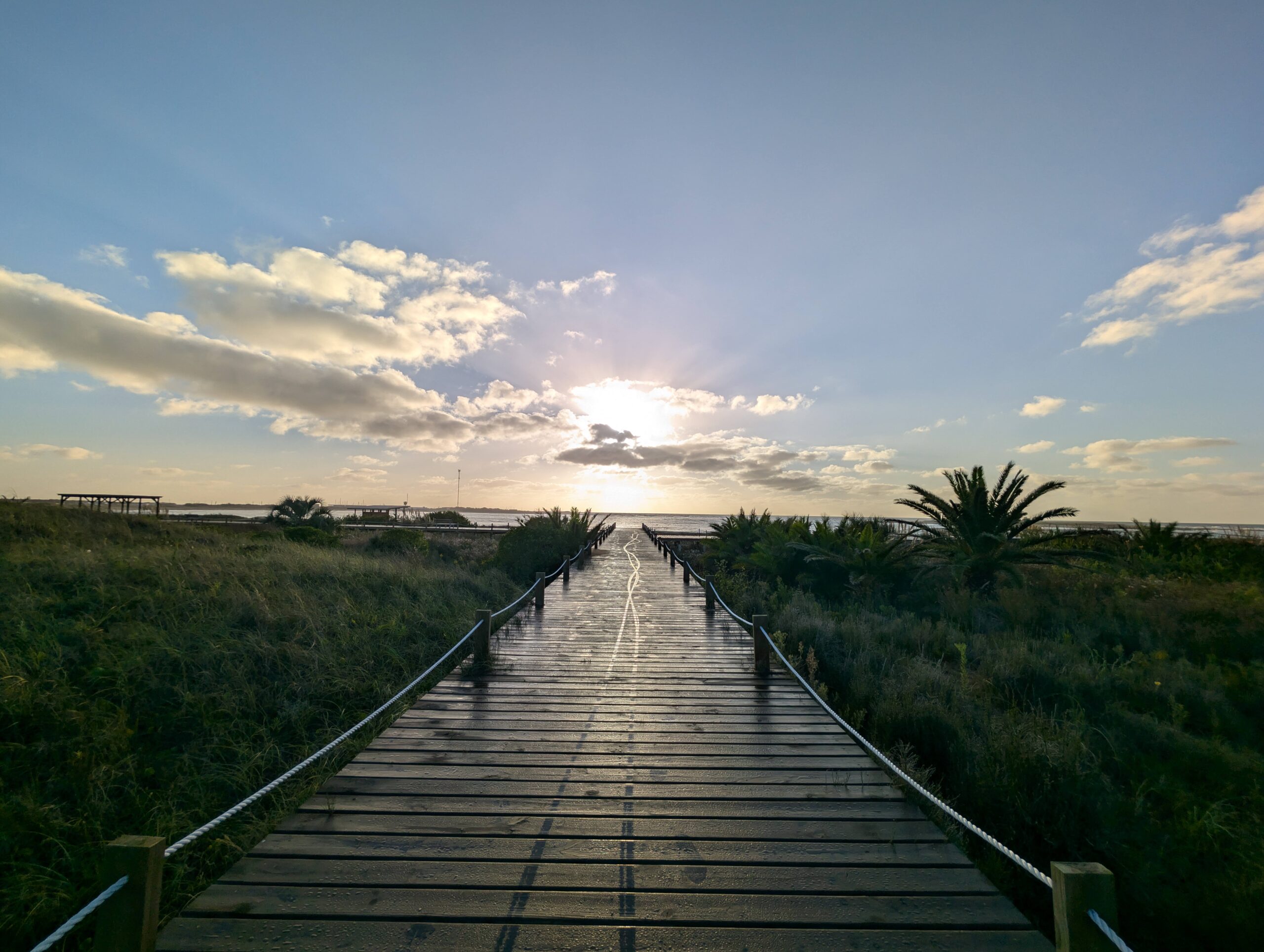
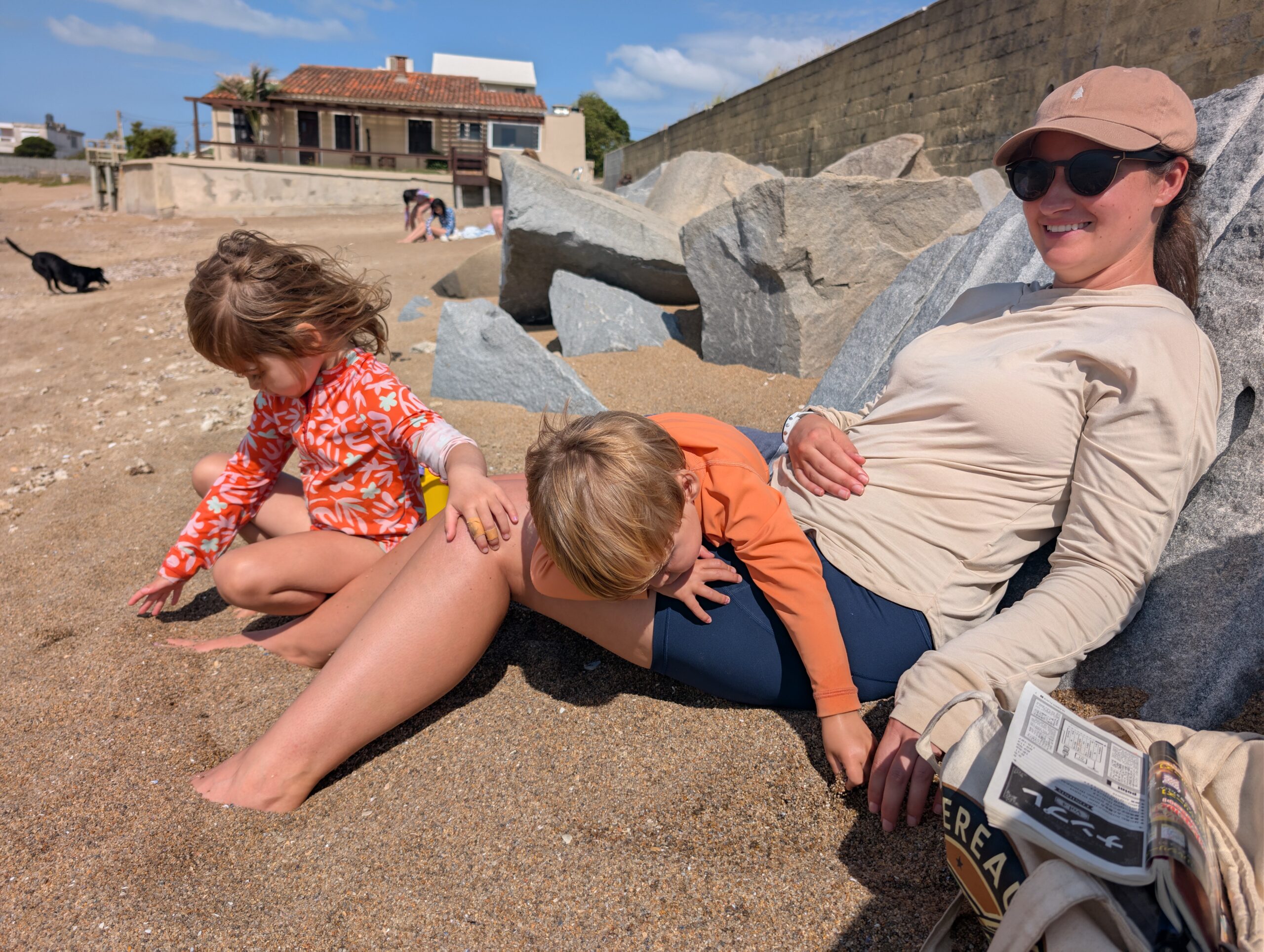
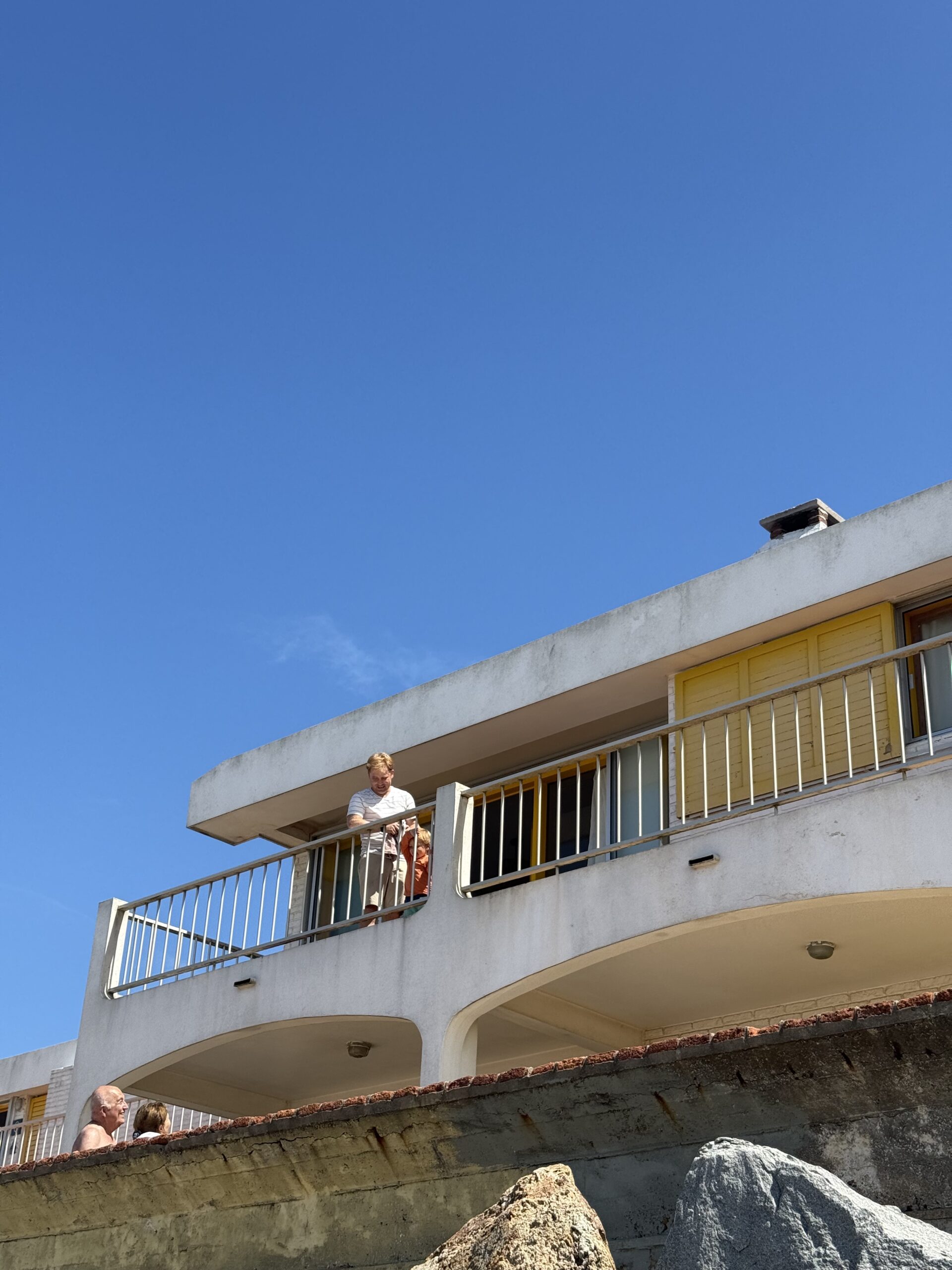
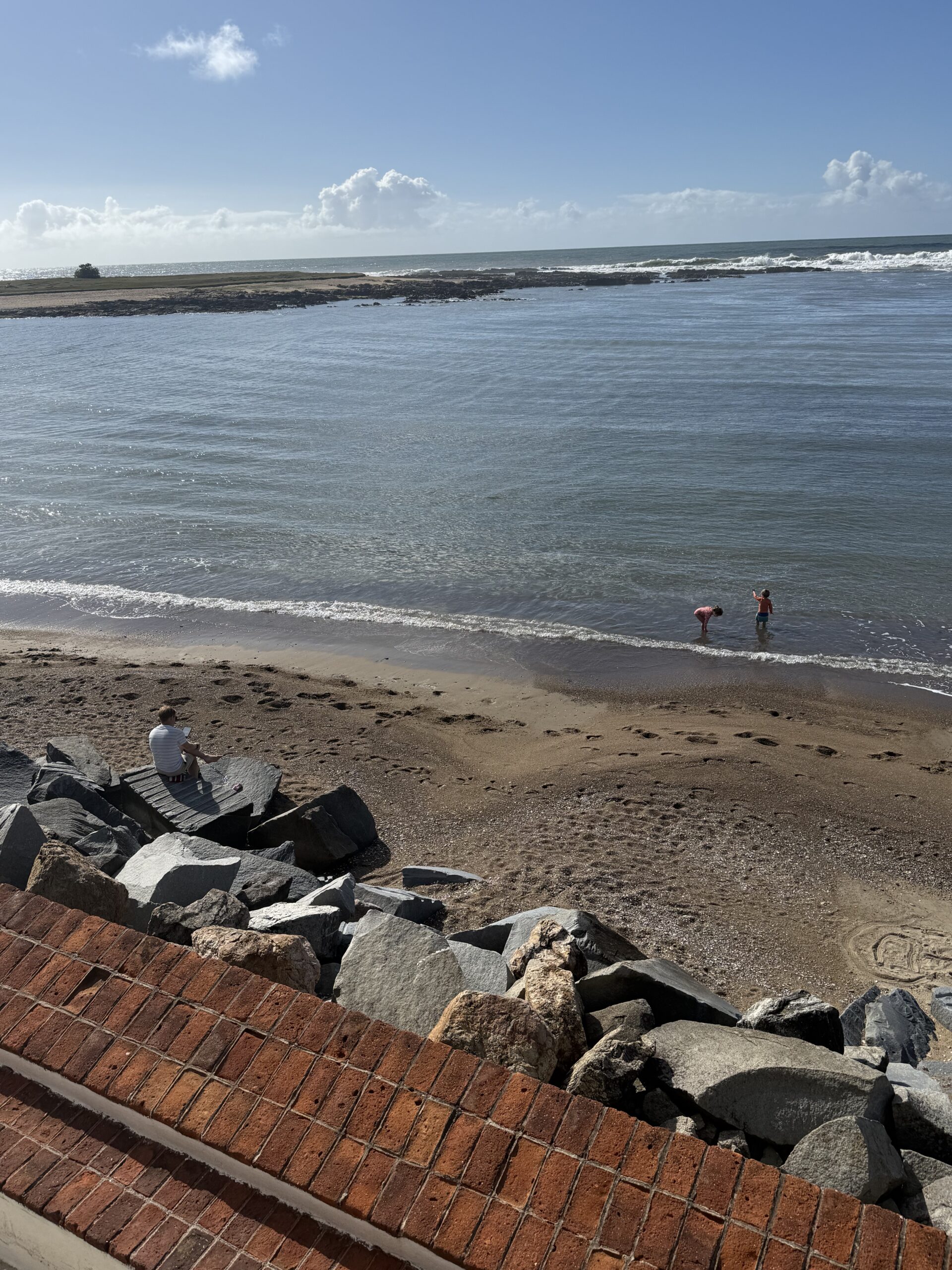
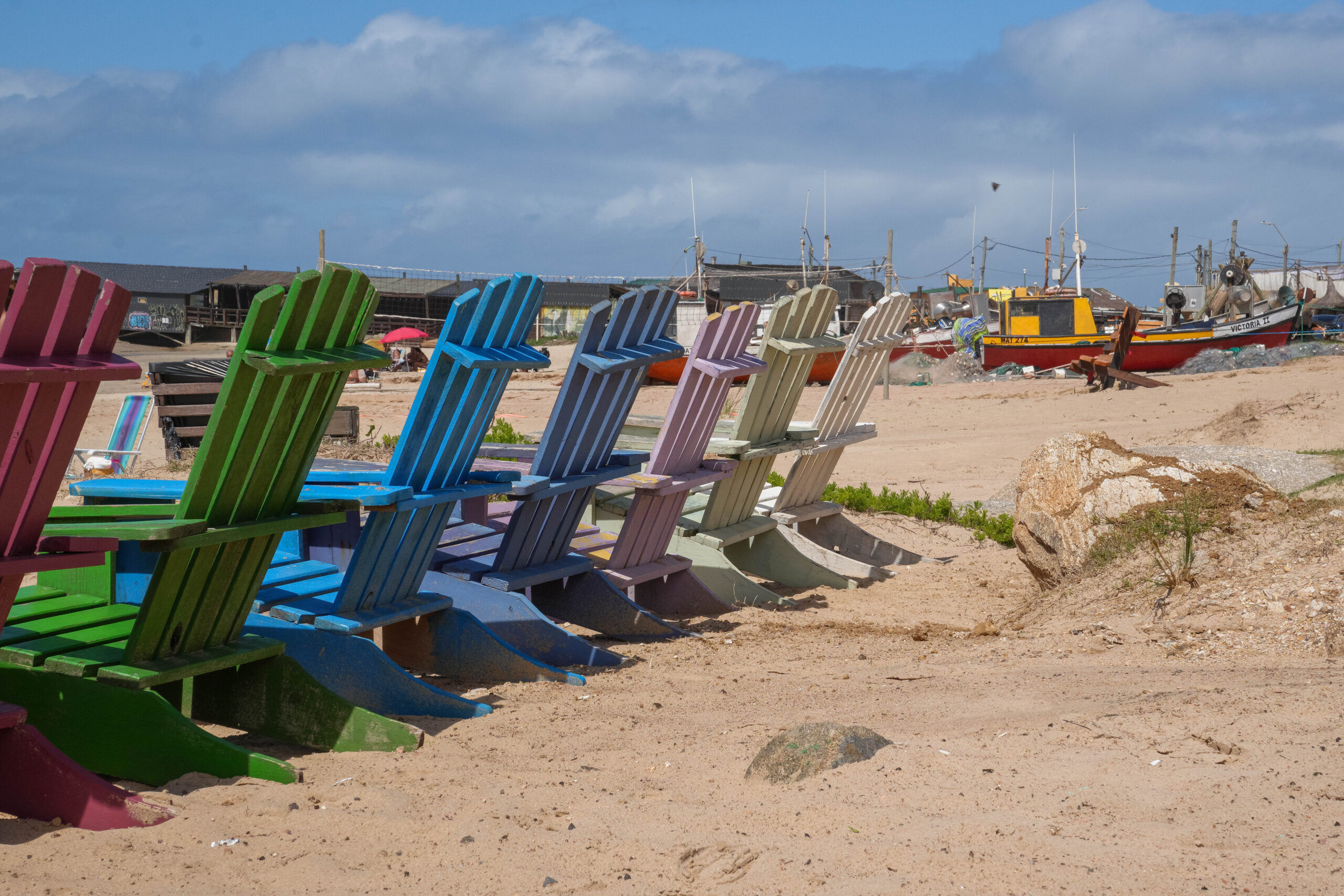
- La Paloma (11 Nights) – A smaller town on the beach-centric East coast of Uruguay, we did an extended stay here to recharge after our go-go-go of Patagonia. The only item on the agenda was to spend time at the beach, oh and I guess eat when we got hungry. We visited a few of the nearby towns, but spent most of our time on the strip of sand 15 feet from our front door.
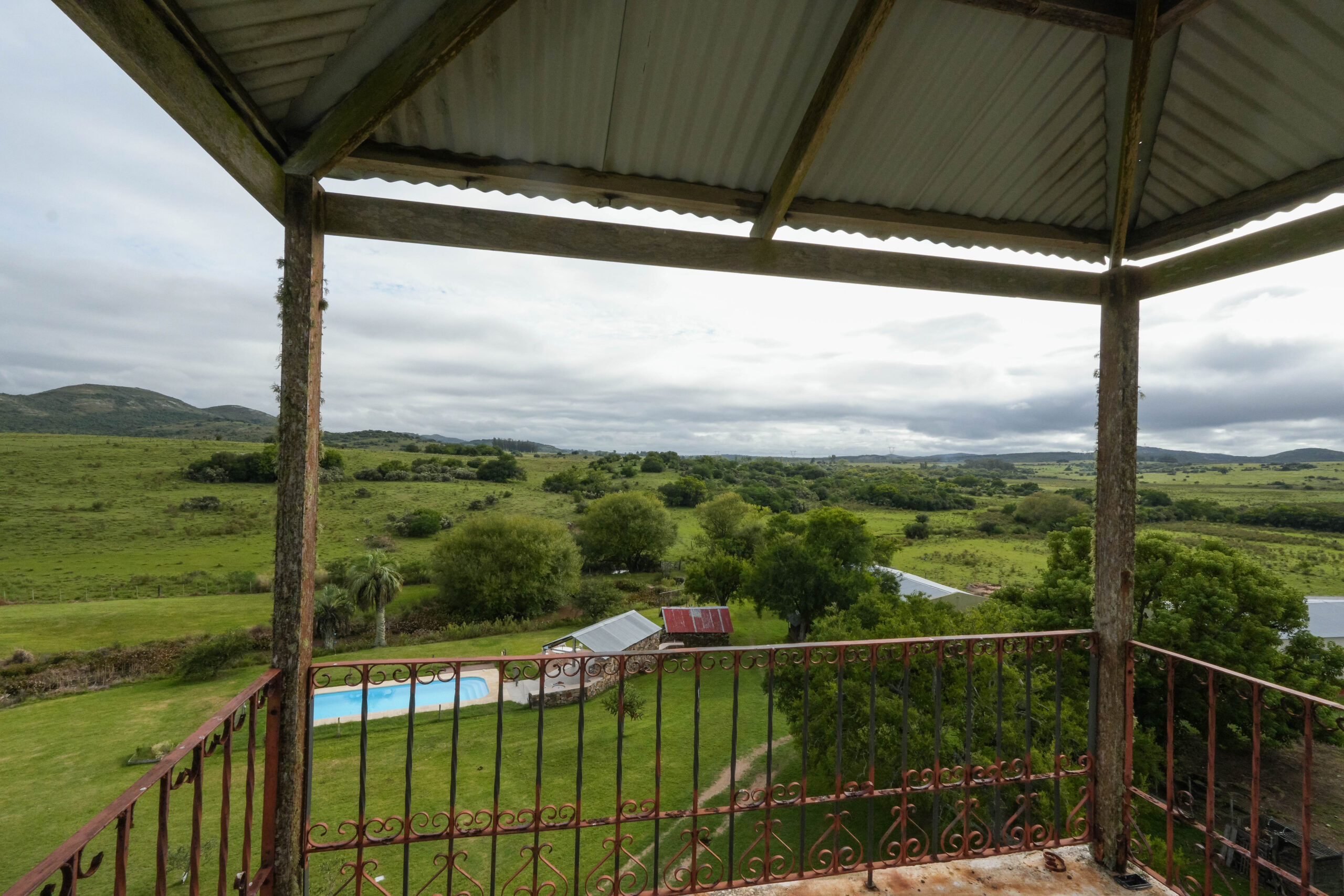
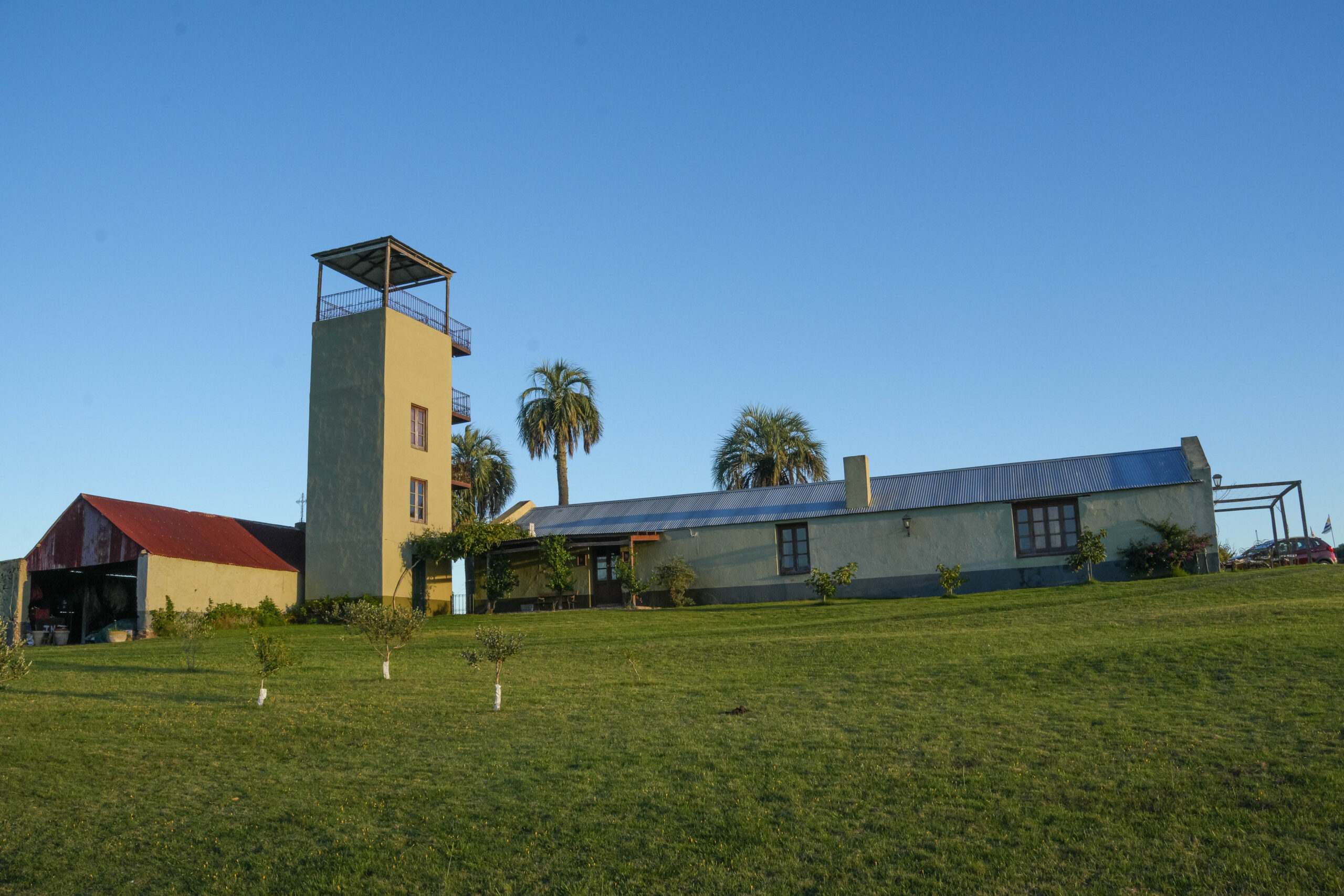
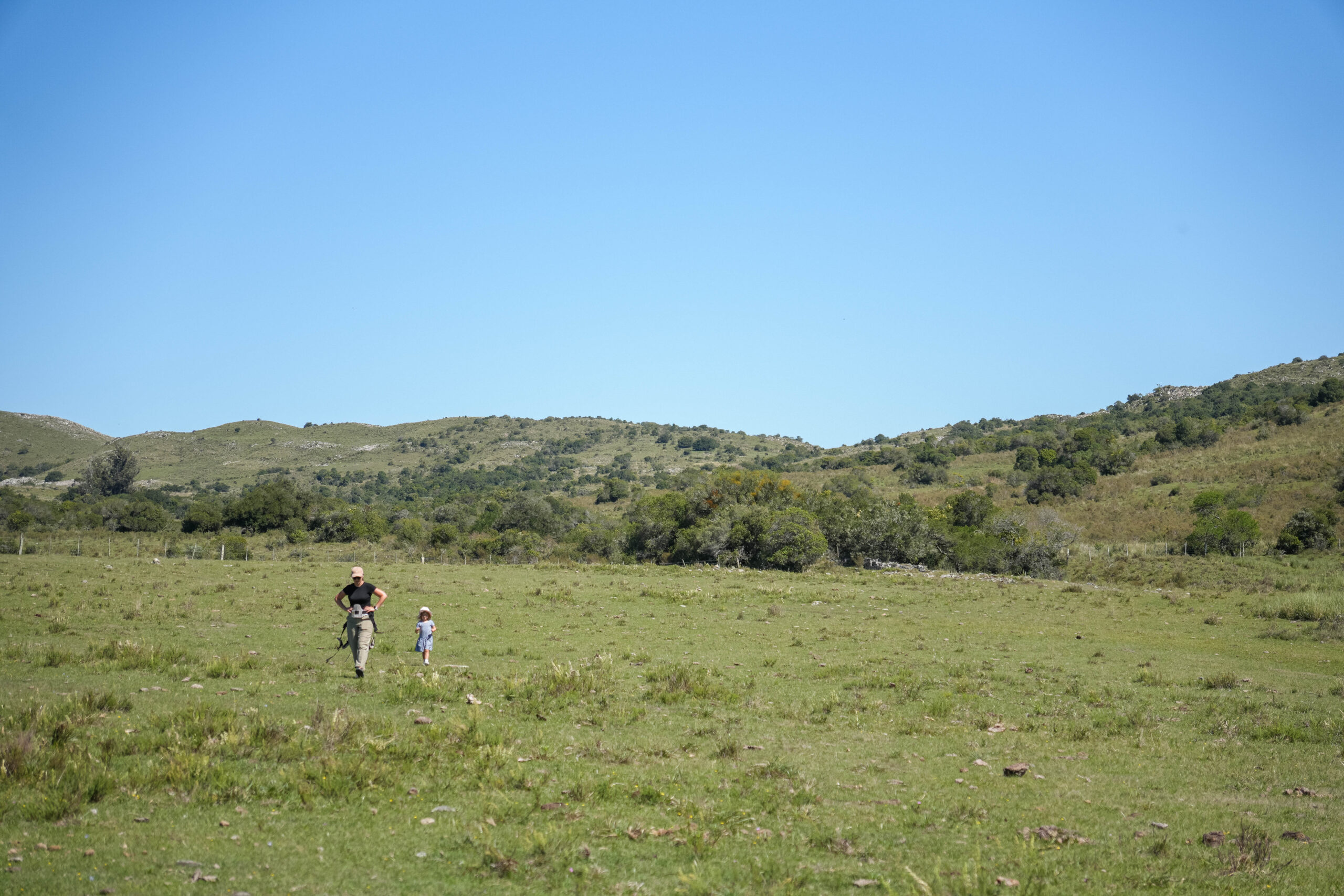
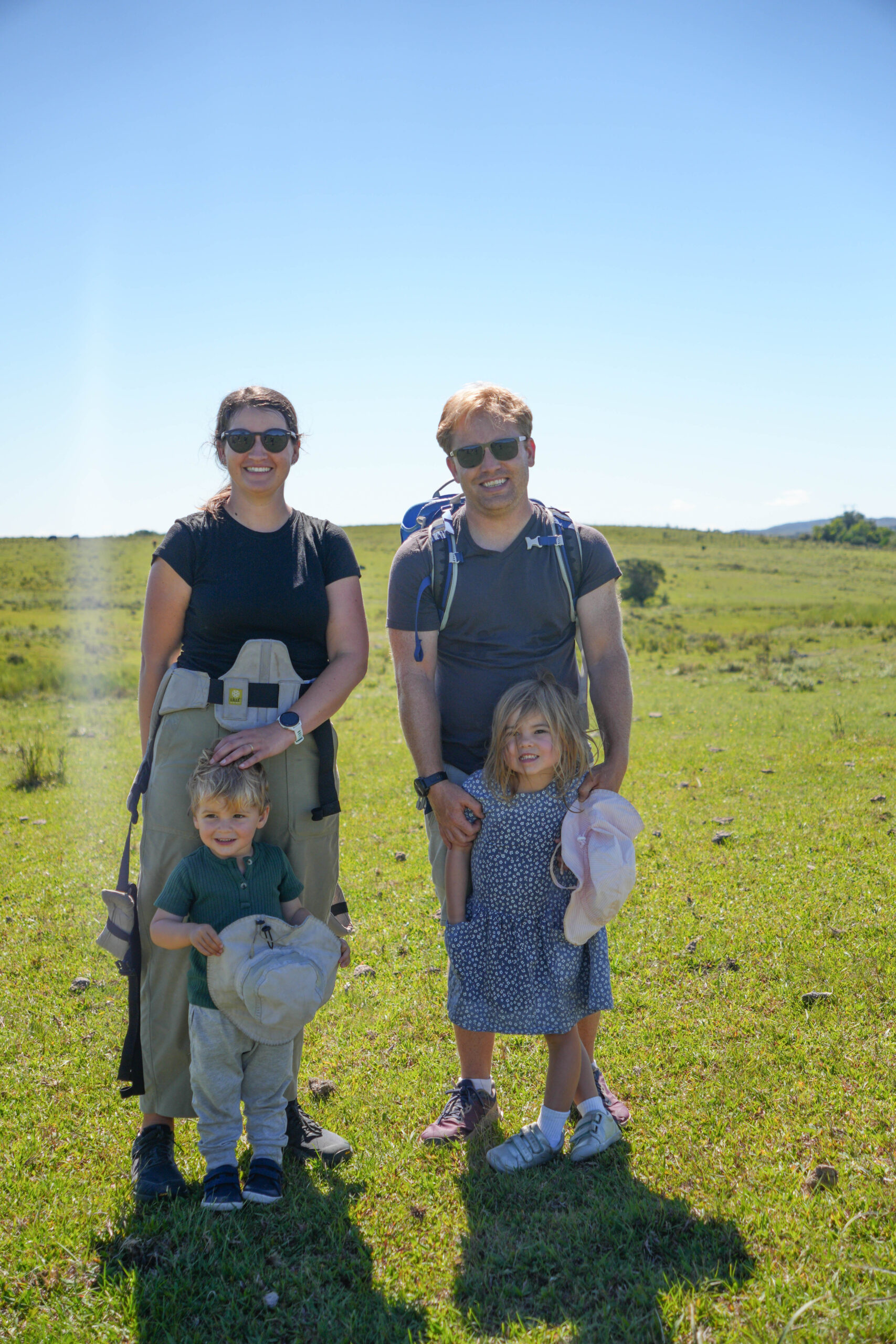
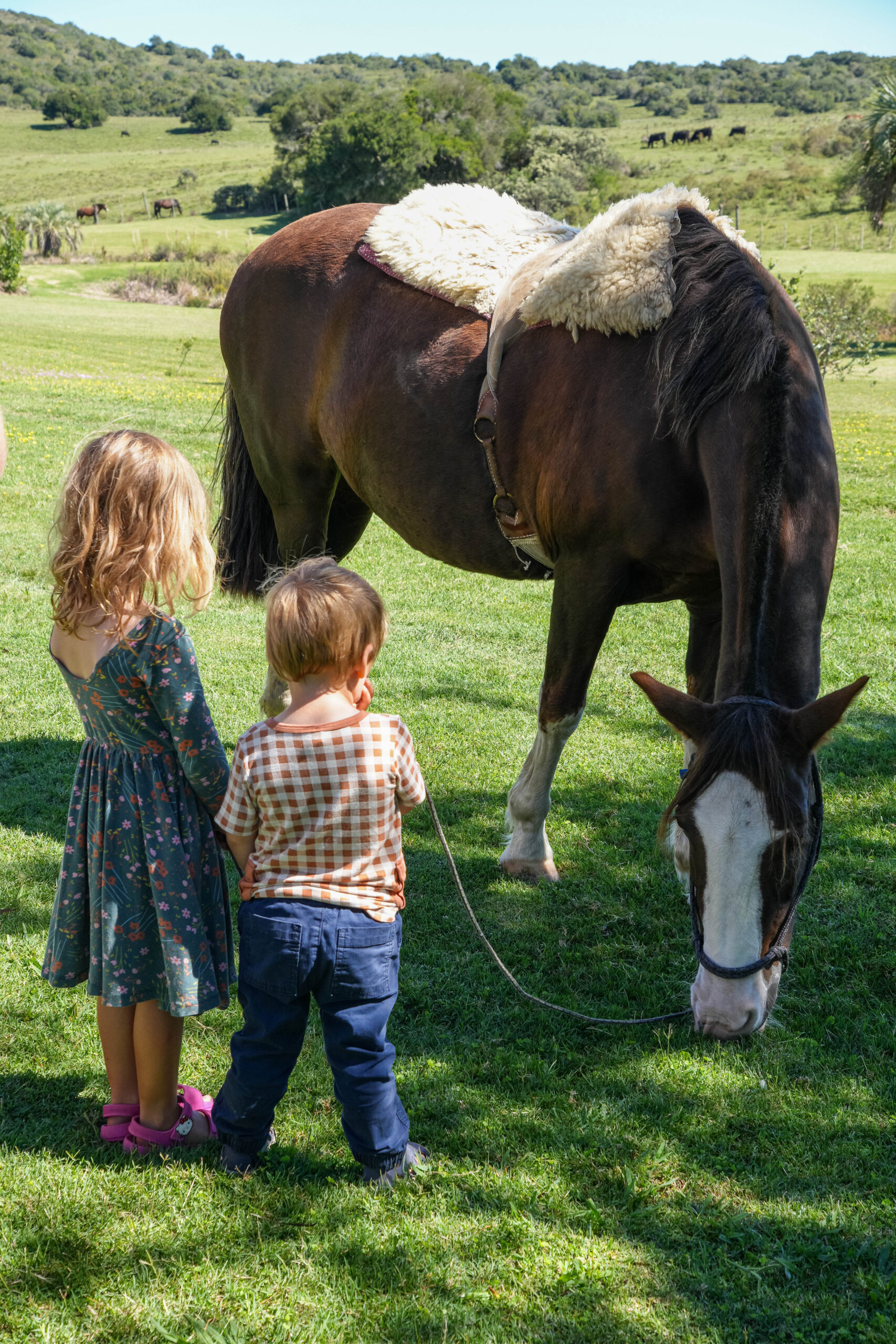
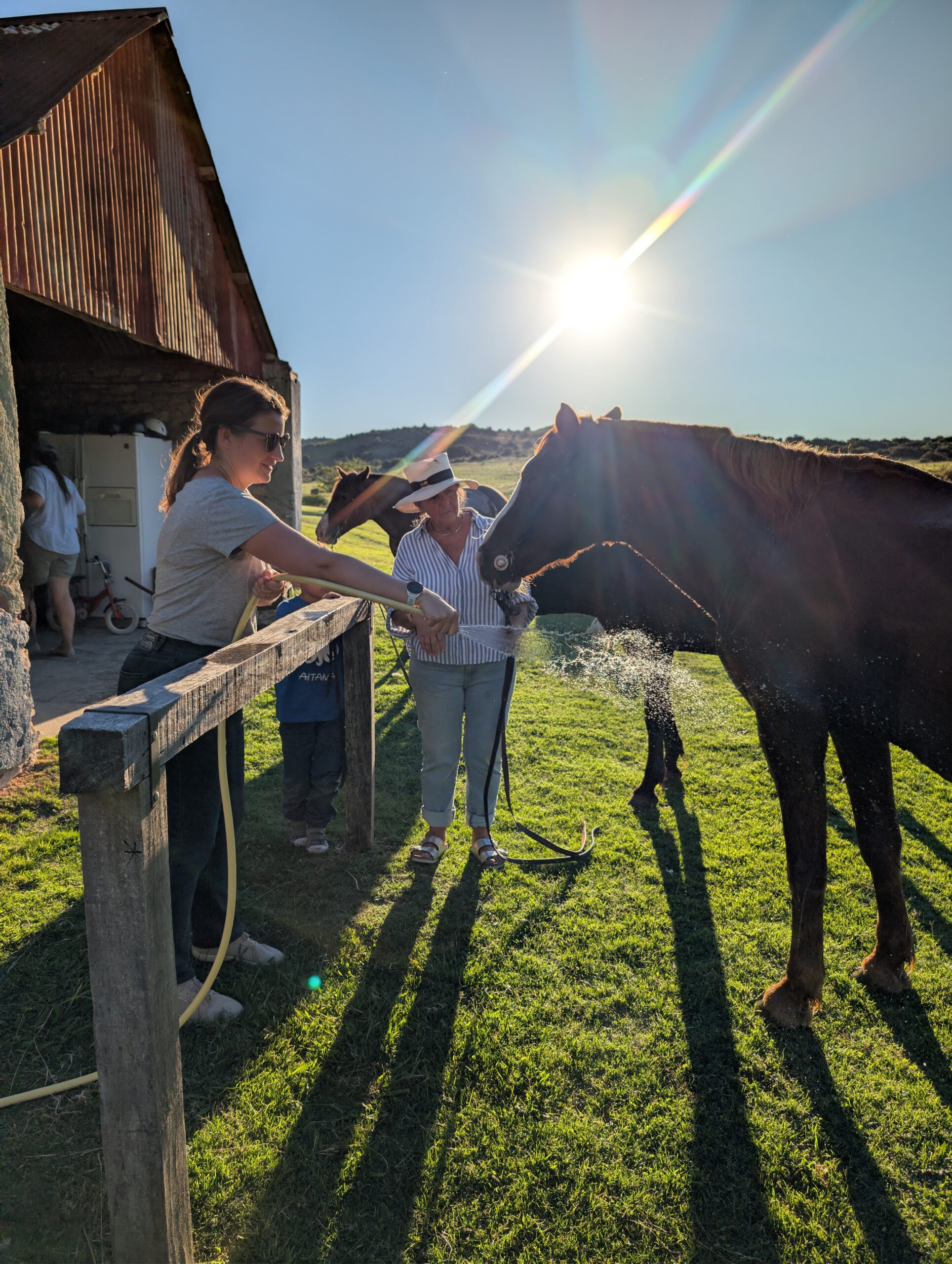
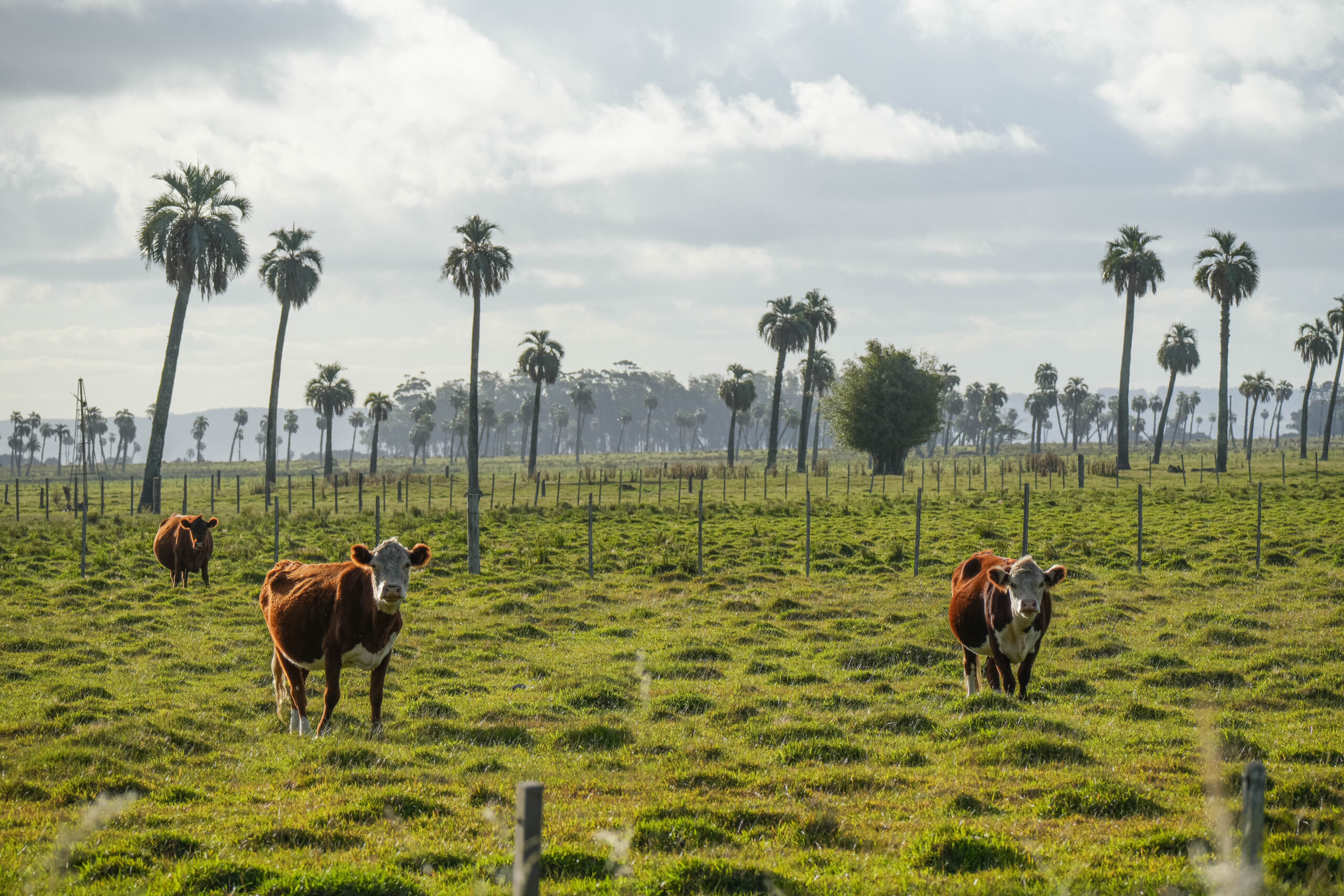
- Estancia near Aiguá (3 Nights) – Further inland, we stopped at the Estancia Martin Pescador for living the gaucho (South American Cowboy) life, a dream of mine. The kids and Madeline also enjoyed the serene location and horse rides.
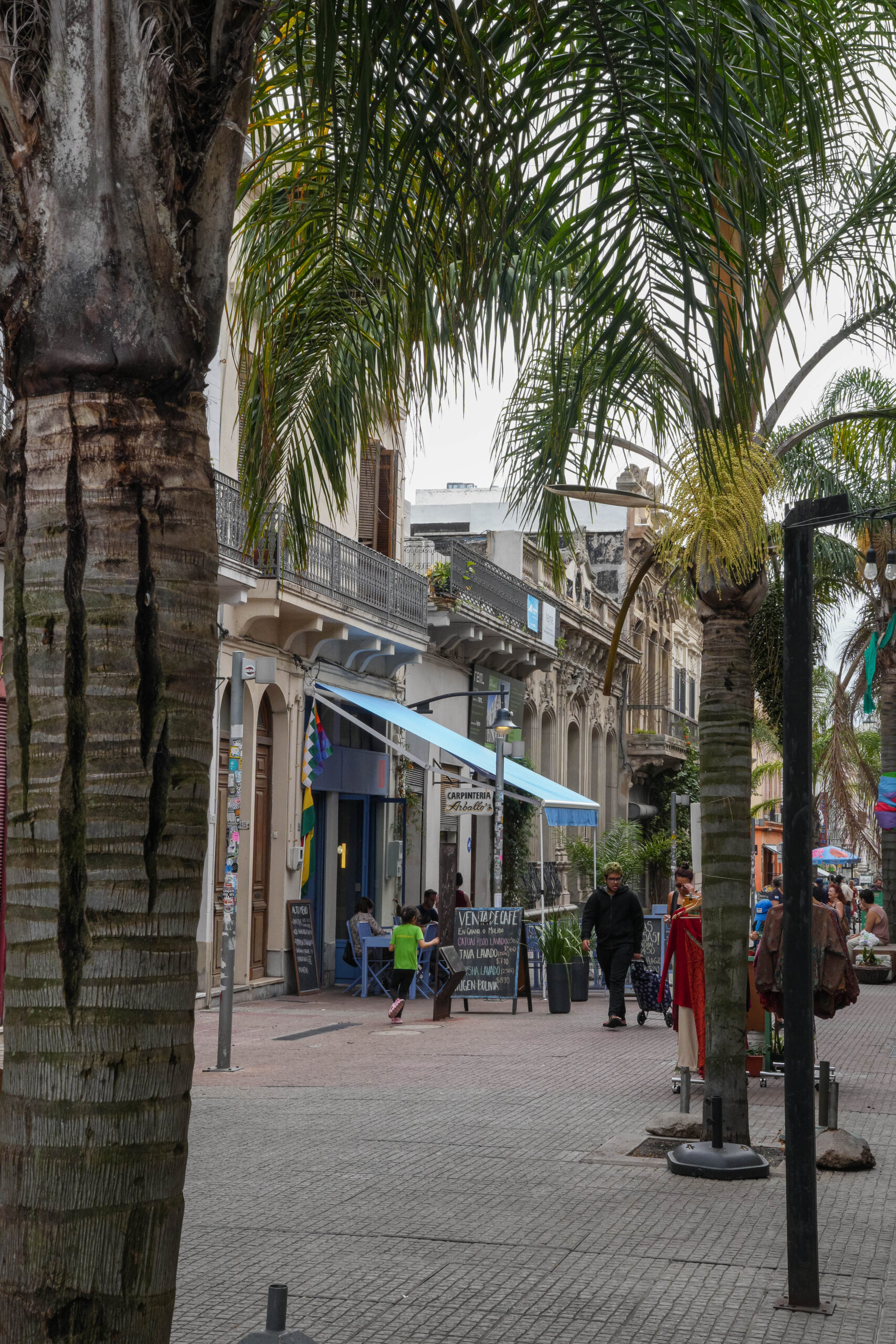
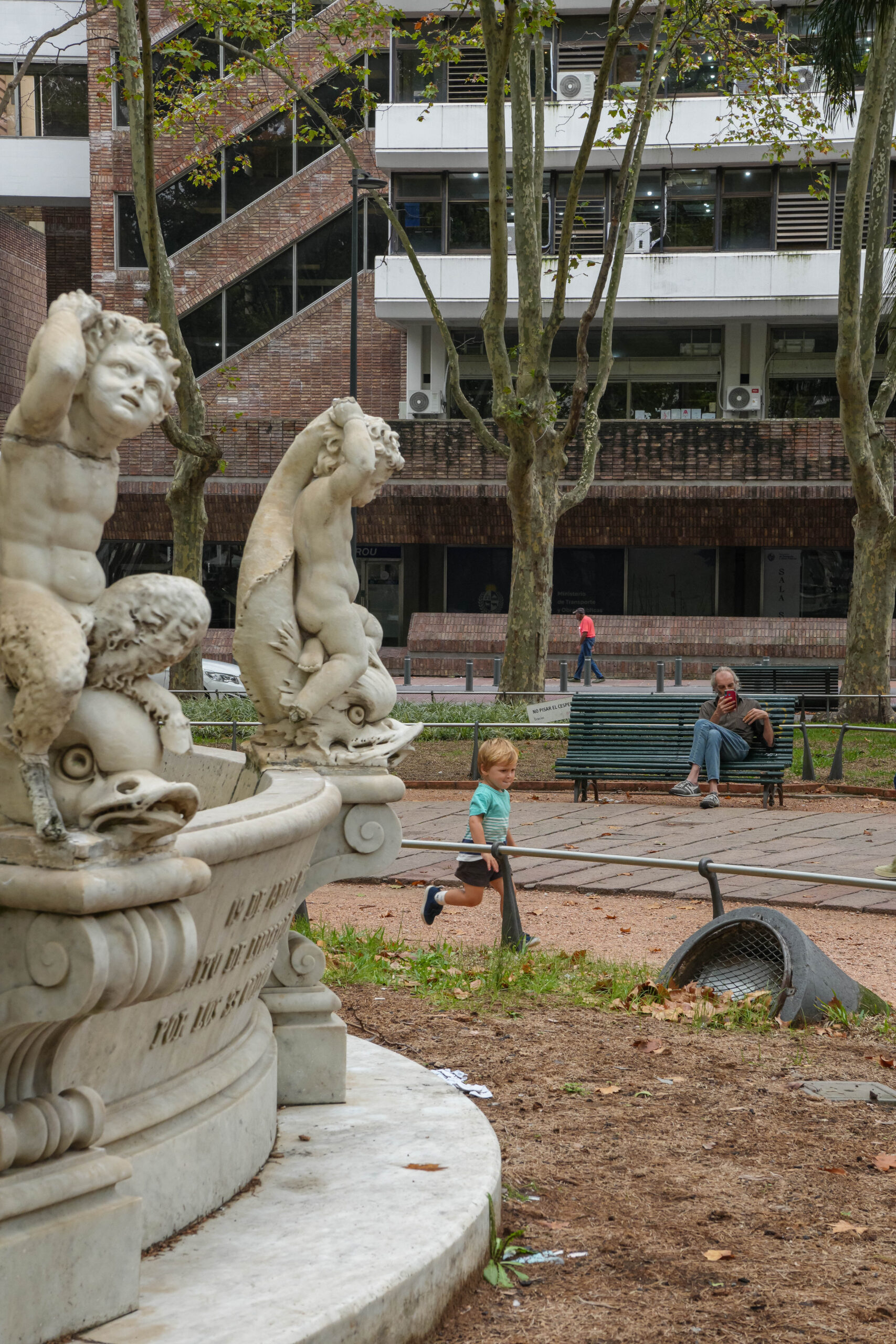
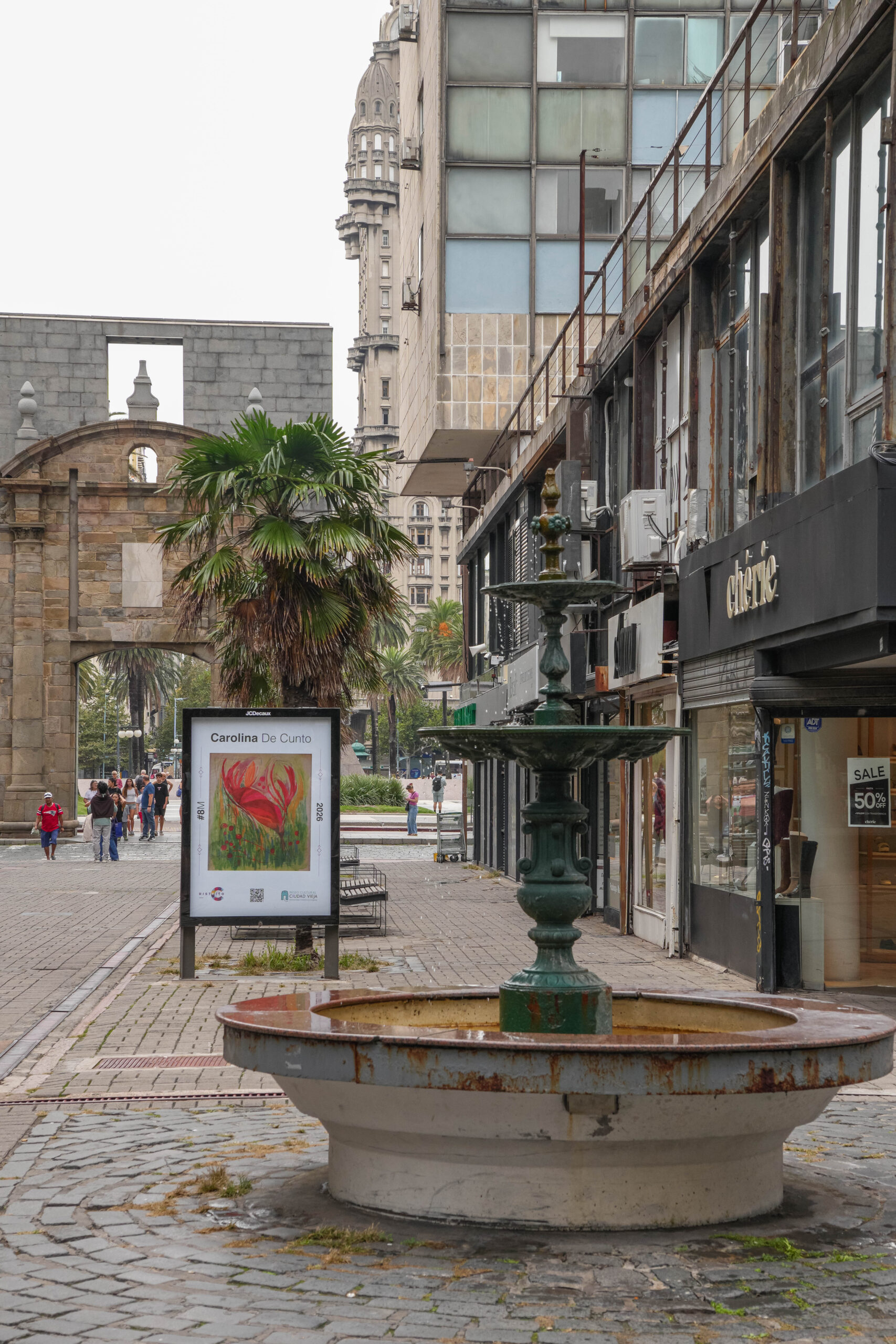
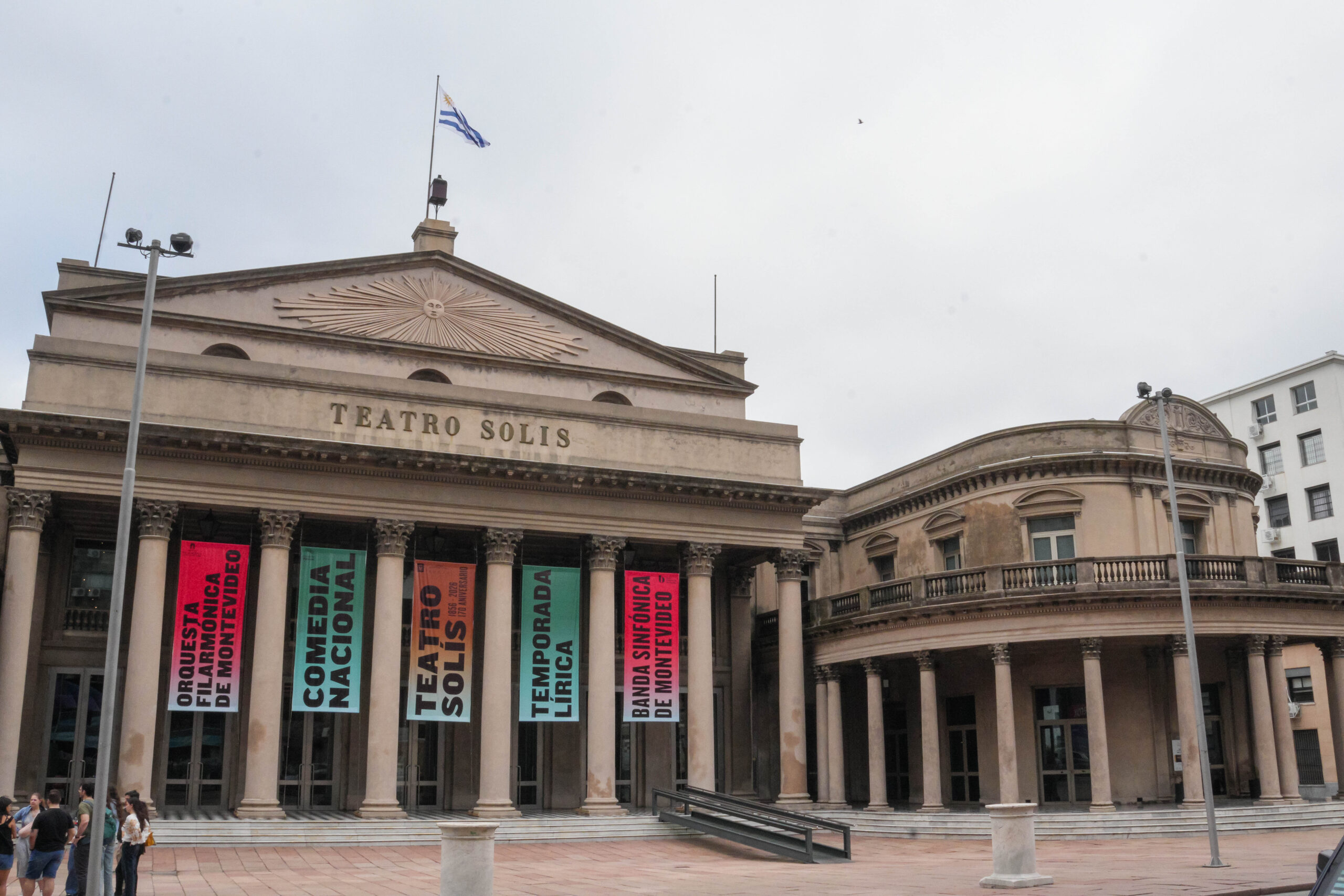
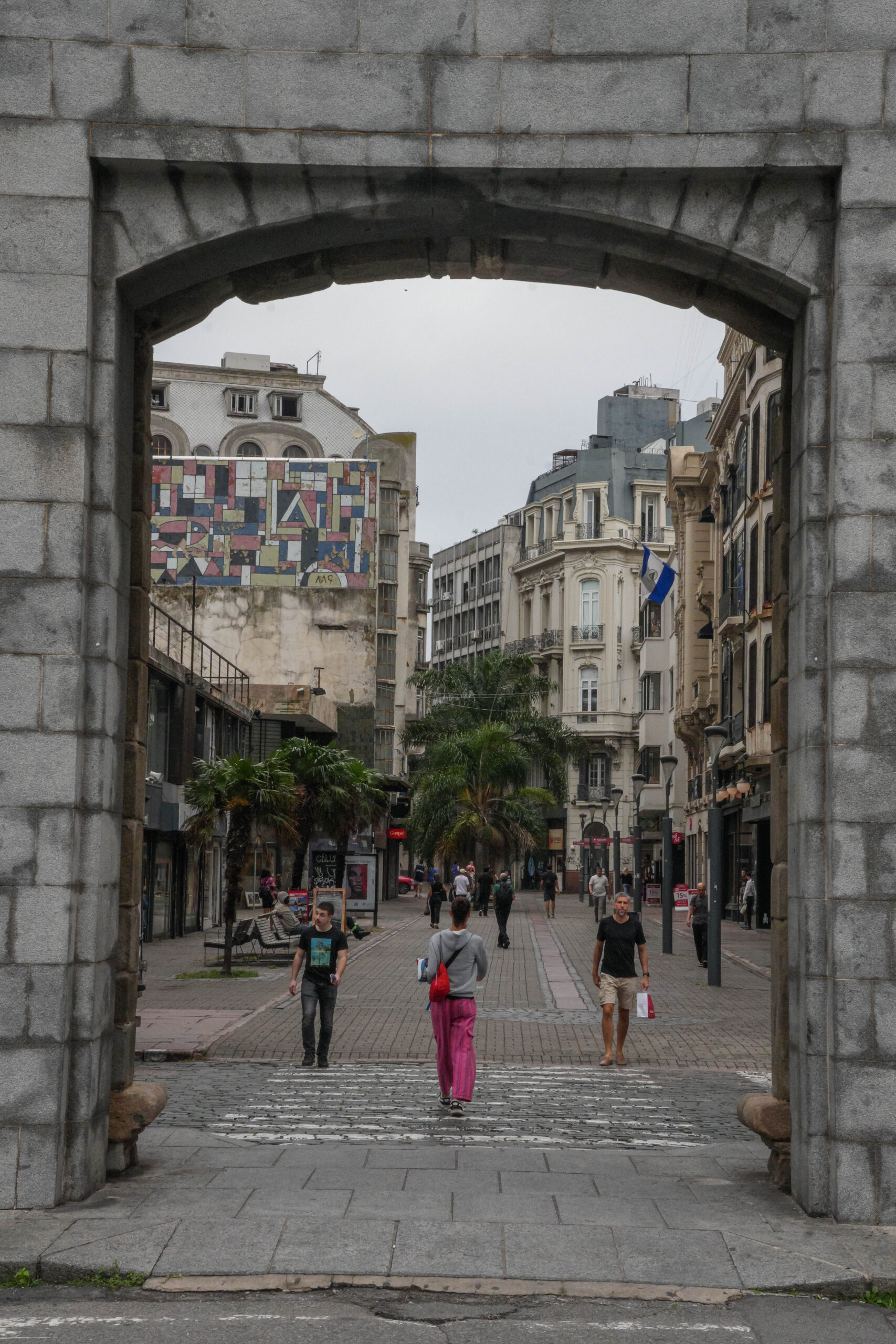
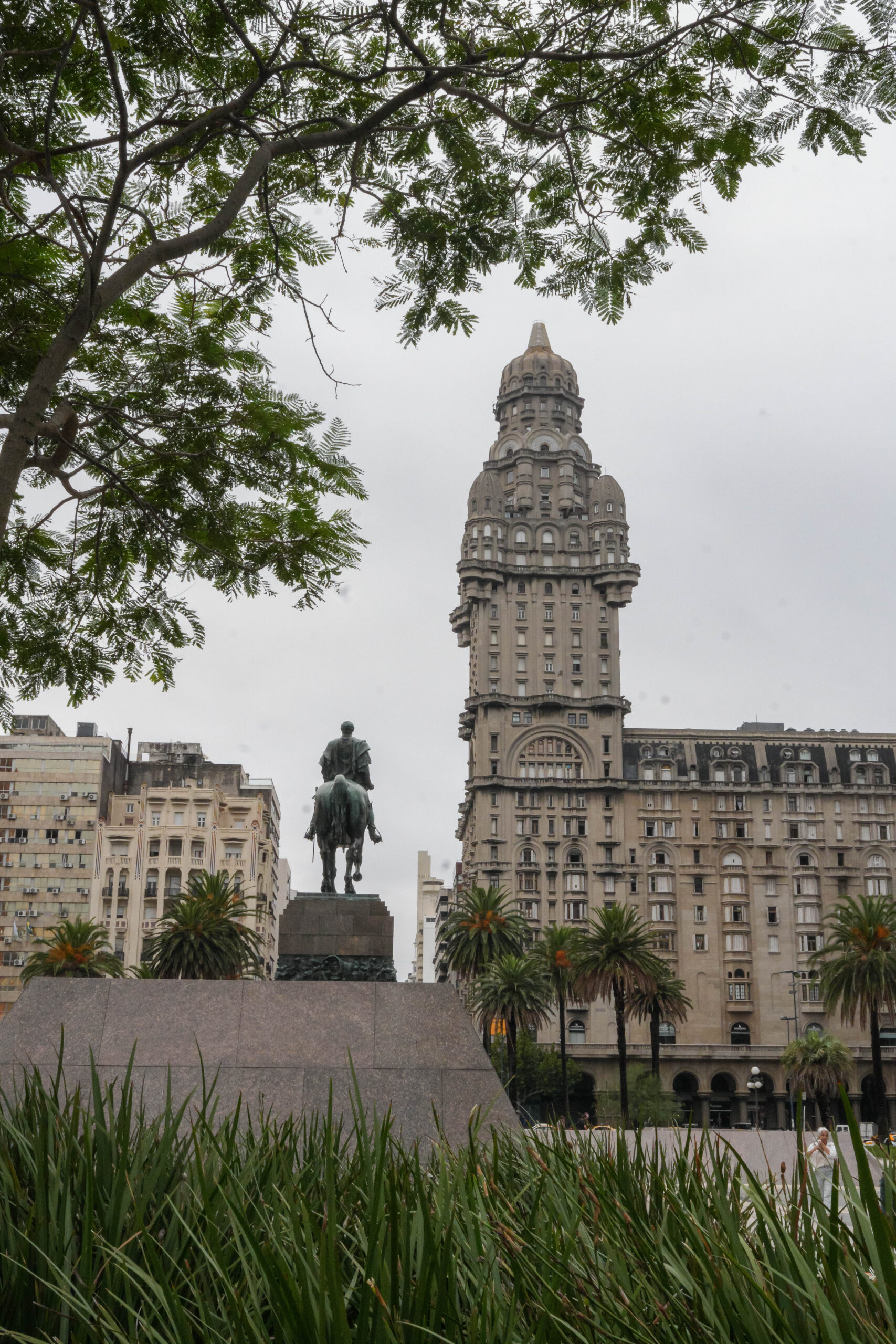
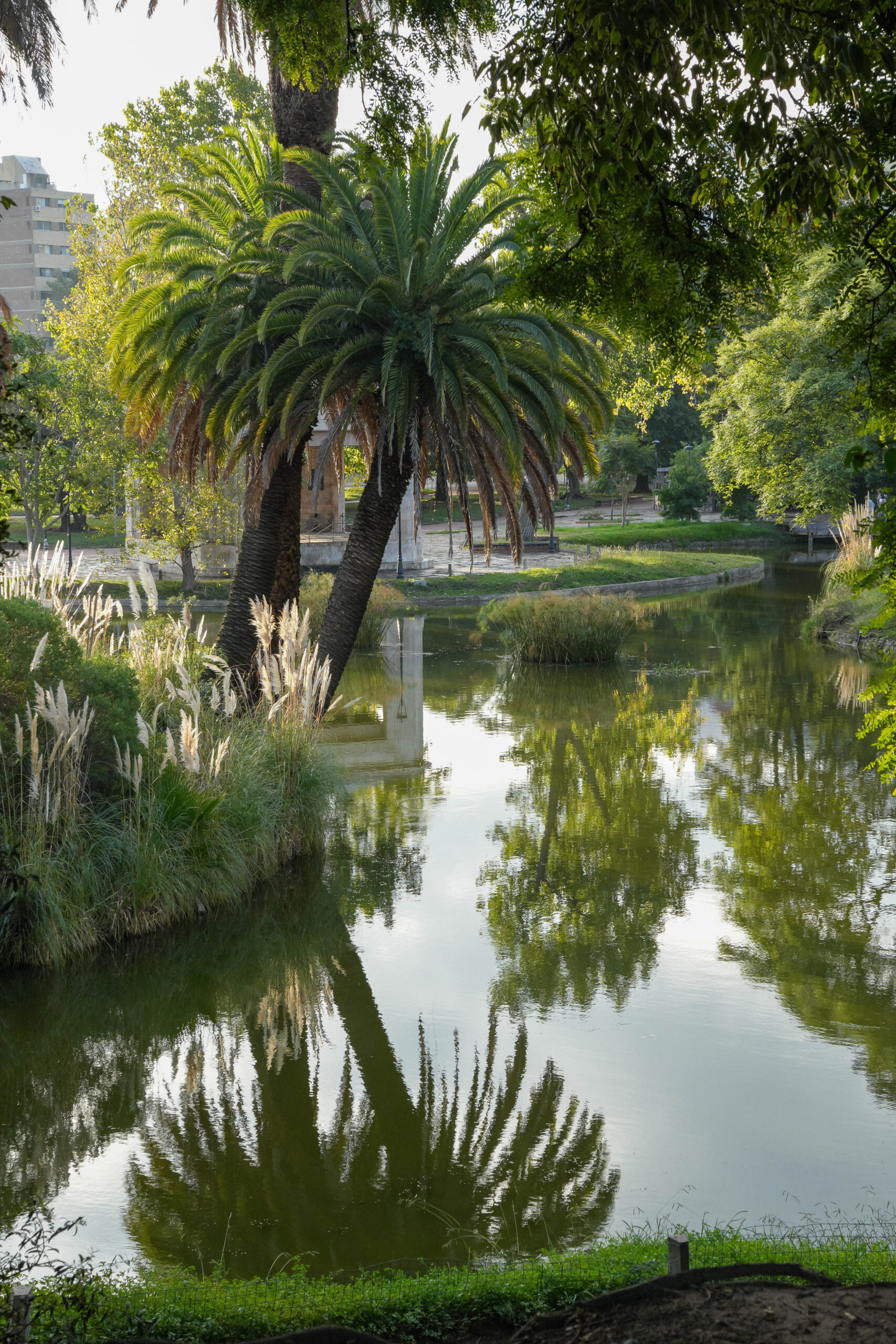
- Montevideo (5 Nights) – The capital and largest city in Uruguay, we learned the history of the country and experienced daily life. We had a great time visiting the farmers markets, parks and different districts of the city.
- Carmelo (5 Nights) – Relatively unknown, Uruguay’s wine region focuses on the red tannant grape and has some boutique, family run vineyards with stellar wine and food pairings. It is also in striking distance of Colonia del Sacramento, a historic and charming town across the river from Buenos Aires.
Overall, we found Uruguay and the people that live there to be relaxing and welcoming. We saw very few tourists and, with a bit of Spanish, felt like we blended in decently, especially since the country supports a large expat community. Uruguay is beautiful, easy to get around and should be on everyone’s travel list!
La Paloma
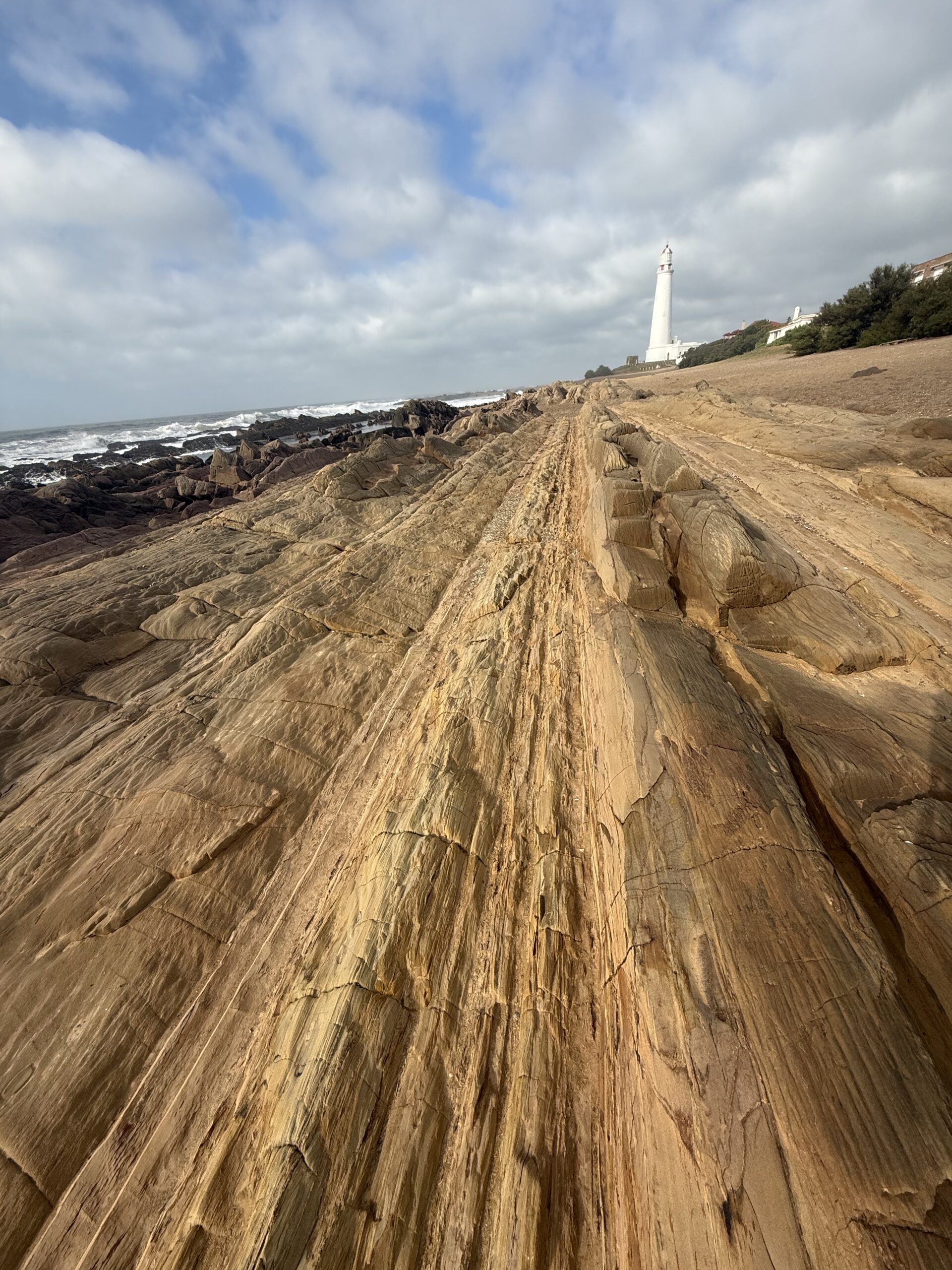
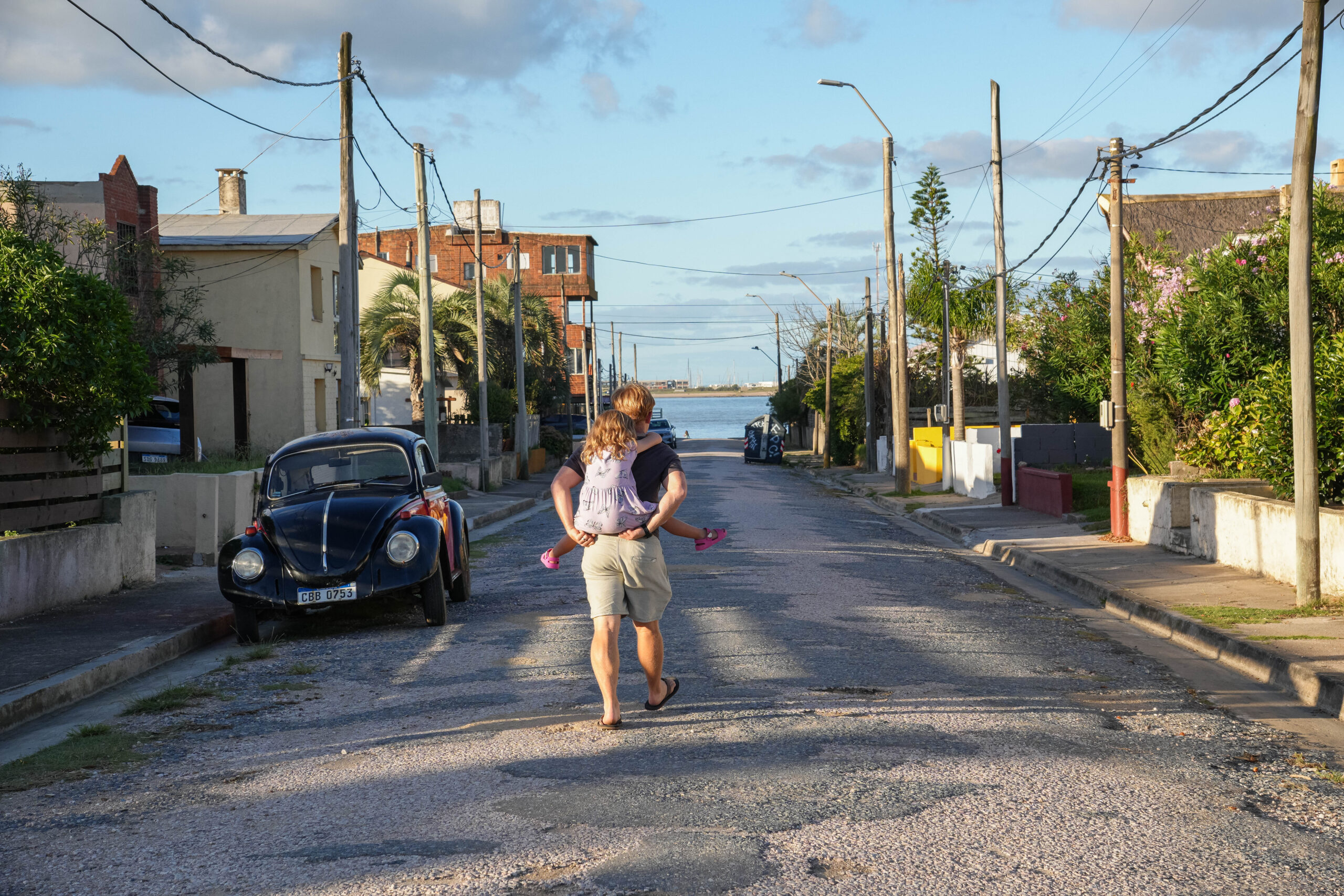
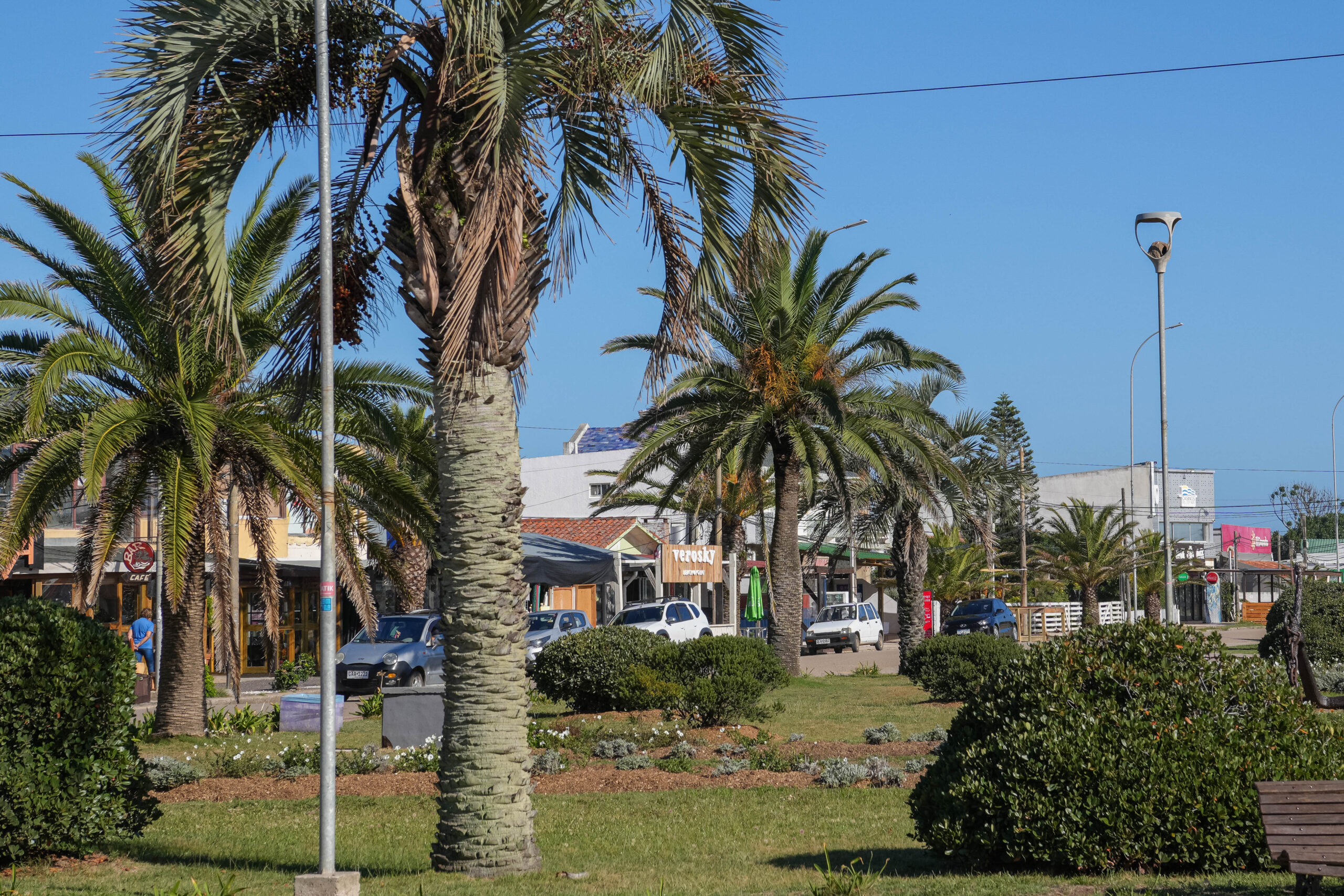
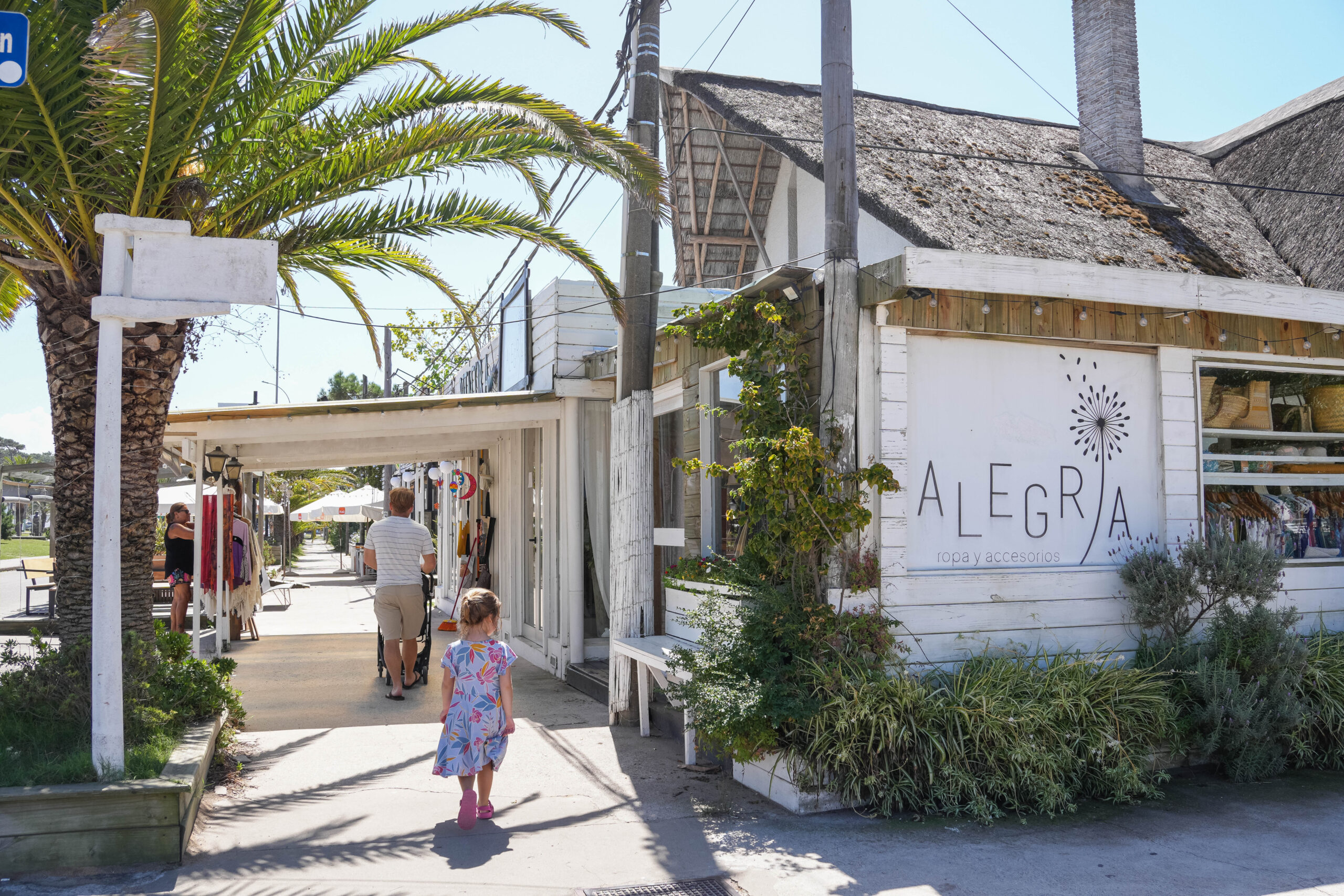
We flew into Montevideo, rented a car and drove East. The Uruguayan coast is an extremely popular tourist destination with Argentinians. It also apparently hides celebrities for a very short window around Christmas, but during our mid-March trip we had no problem finding reasonably priced accommodations. We selected the smaller town of La Paloma as our base, a slow moving beach town with a quaint street to meander down.
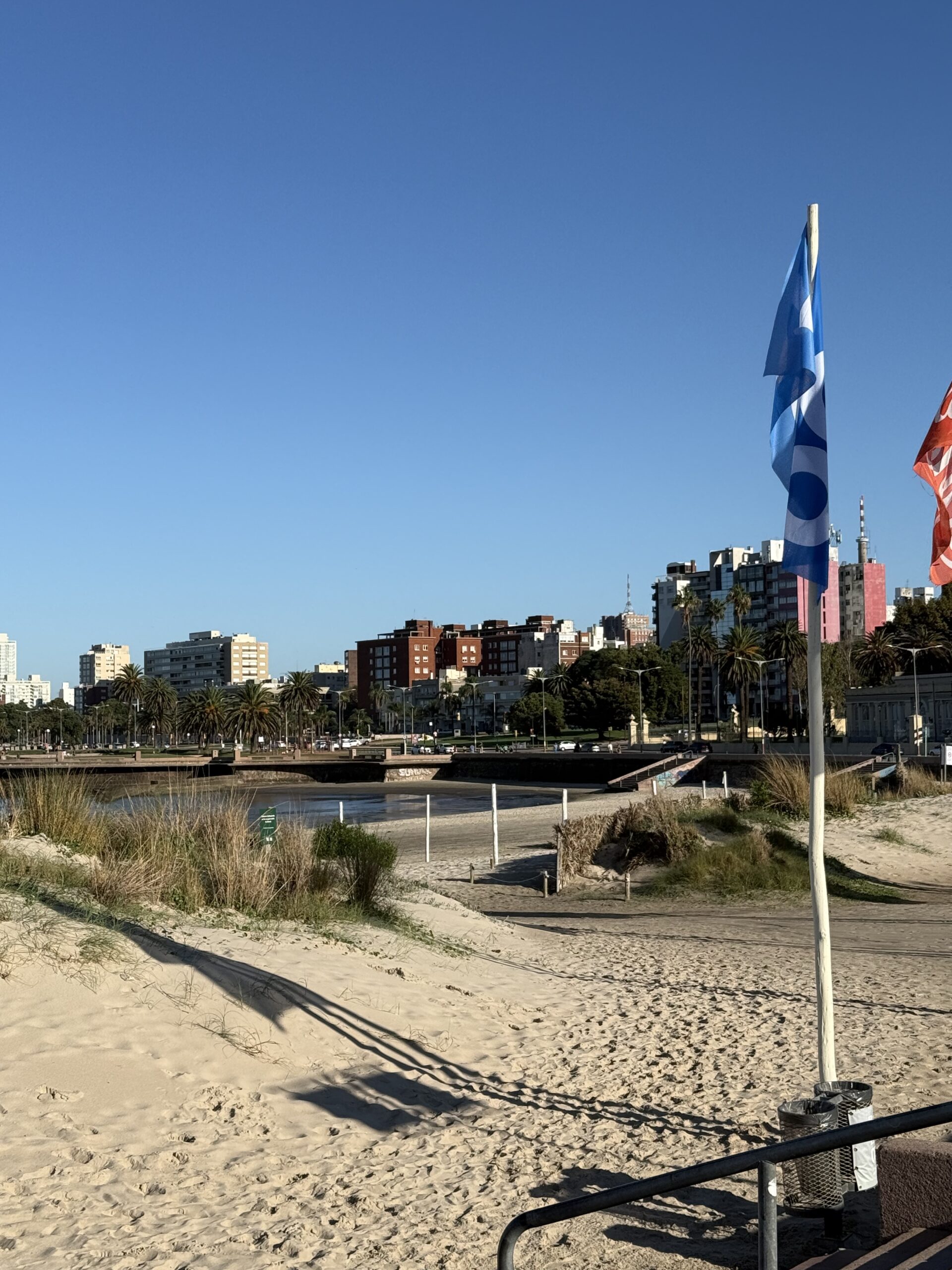
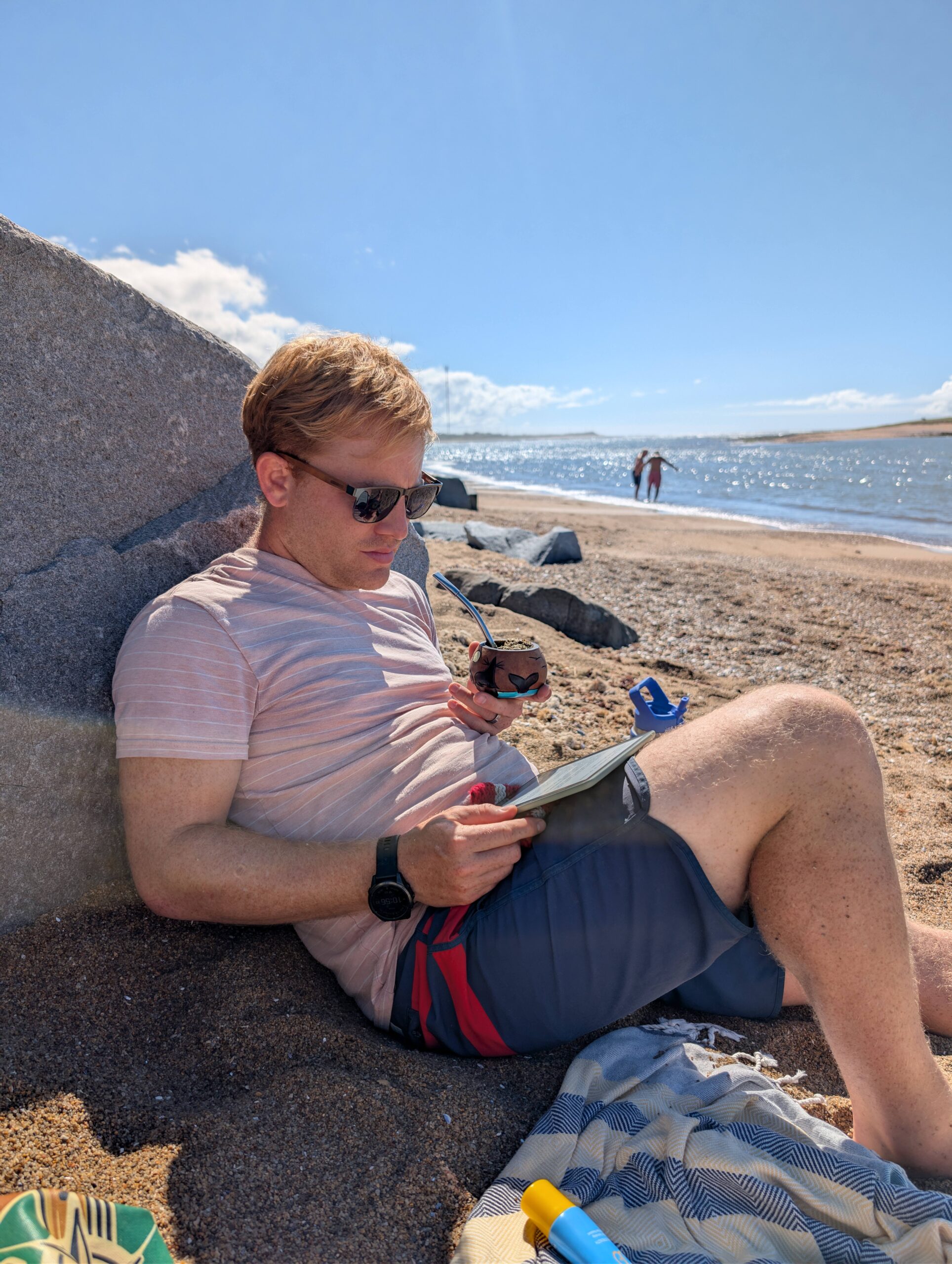
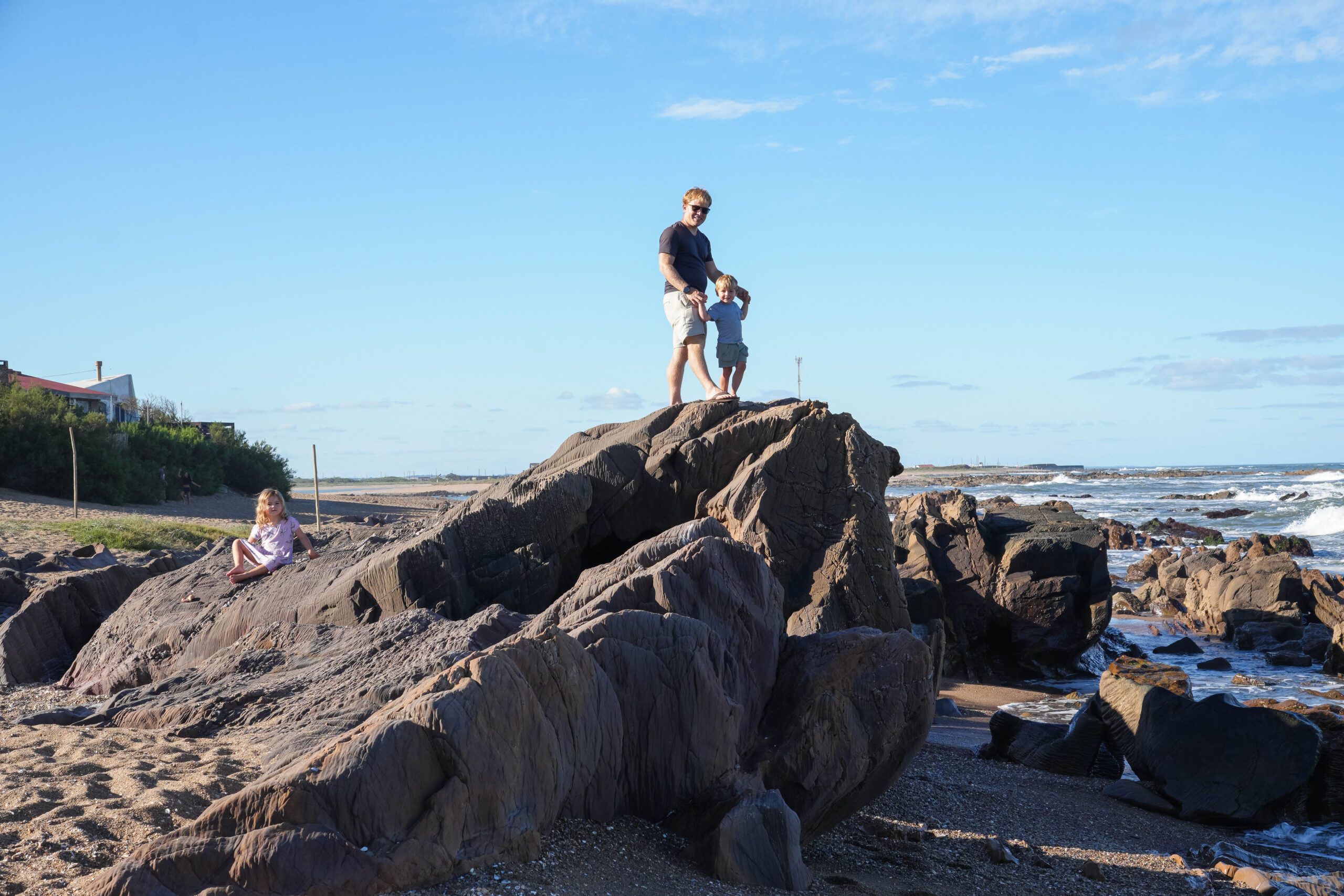
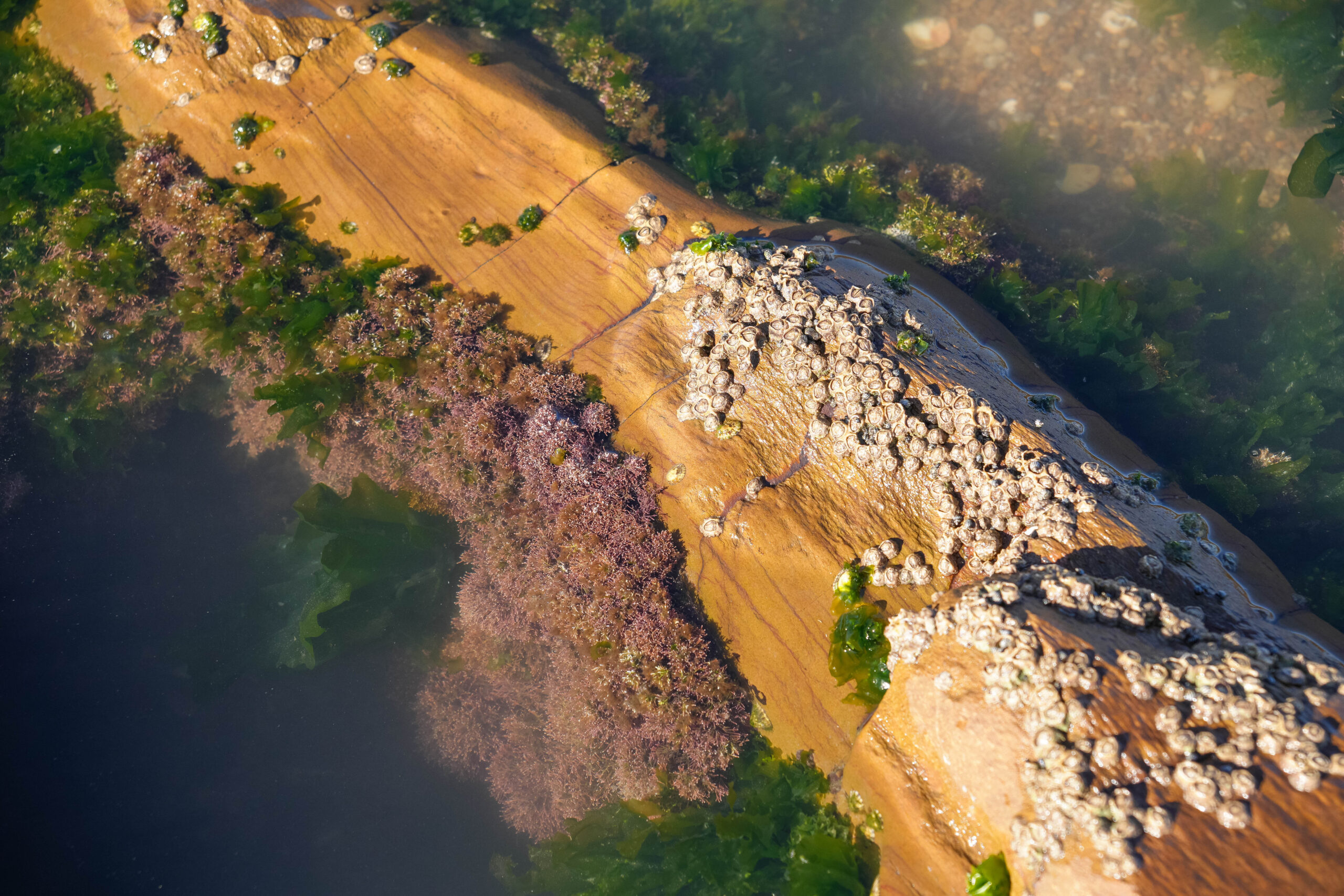
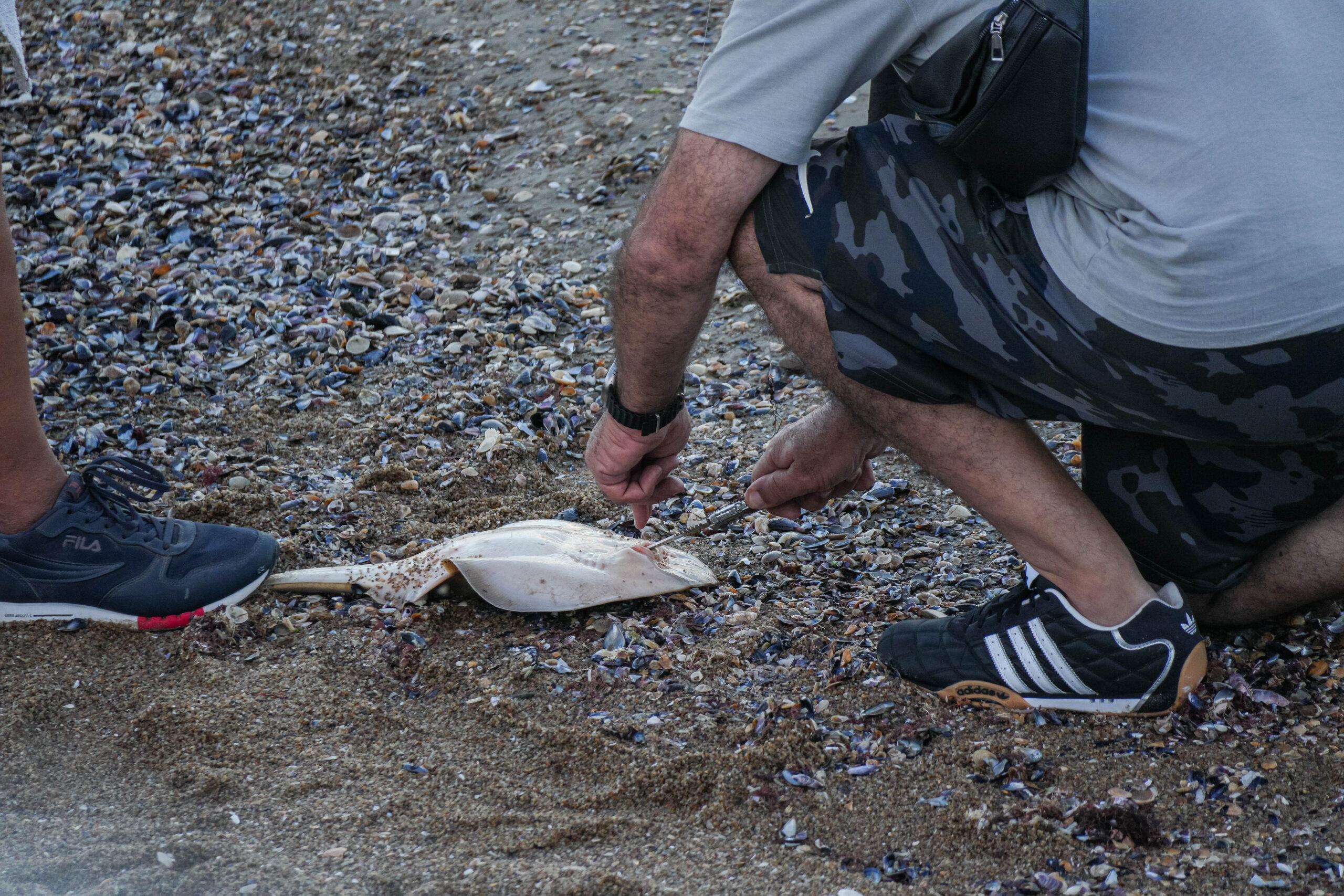
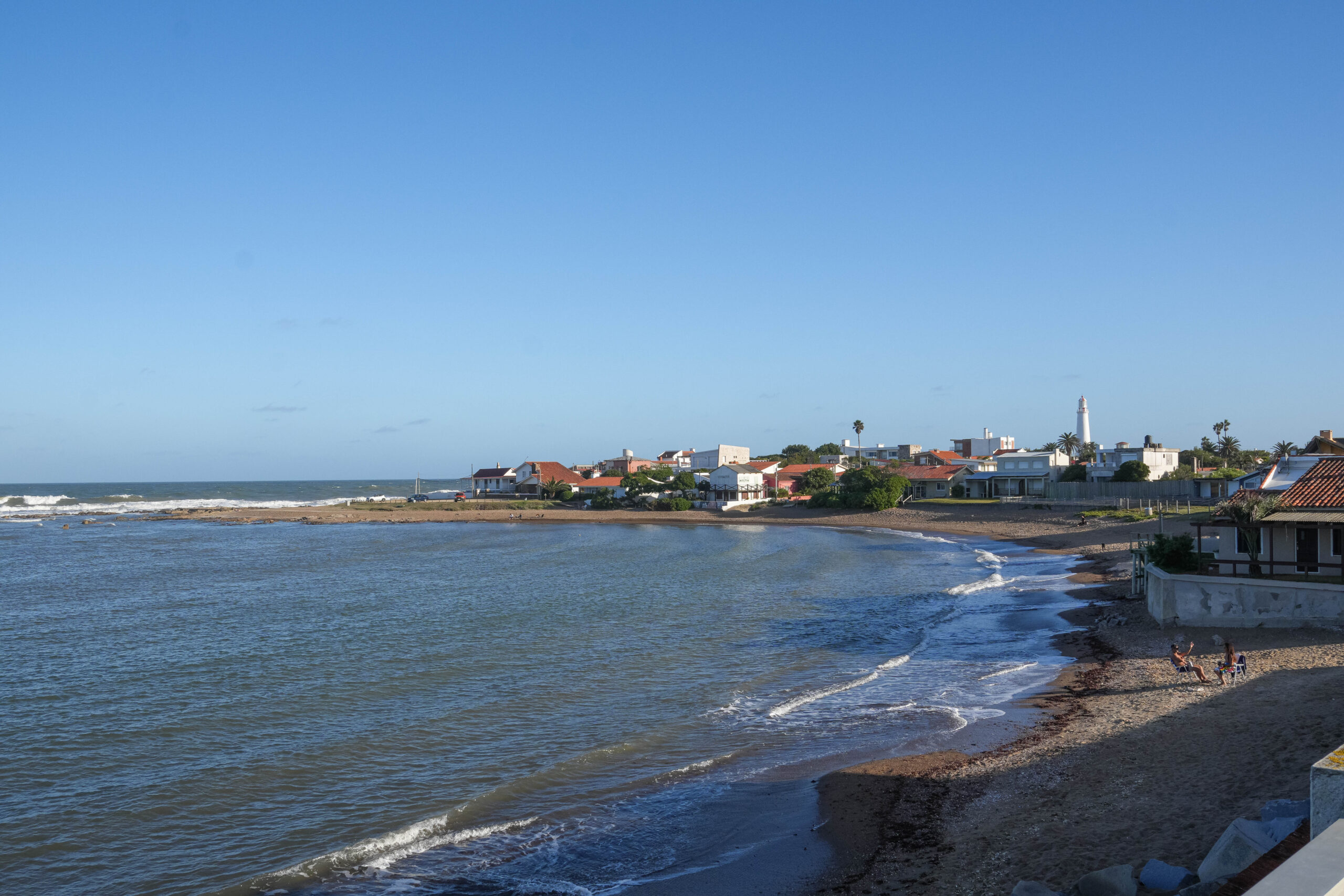
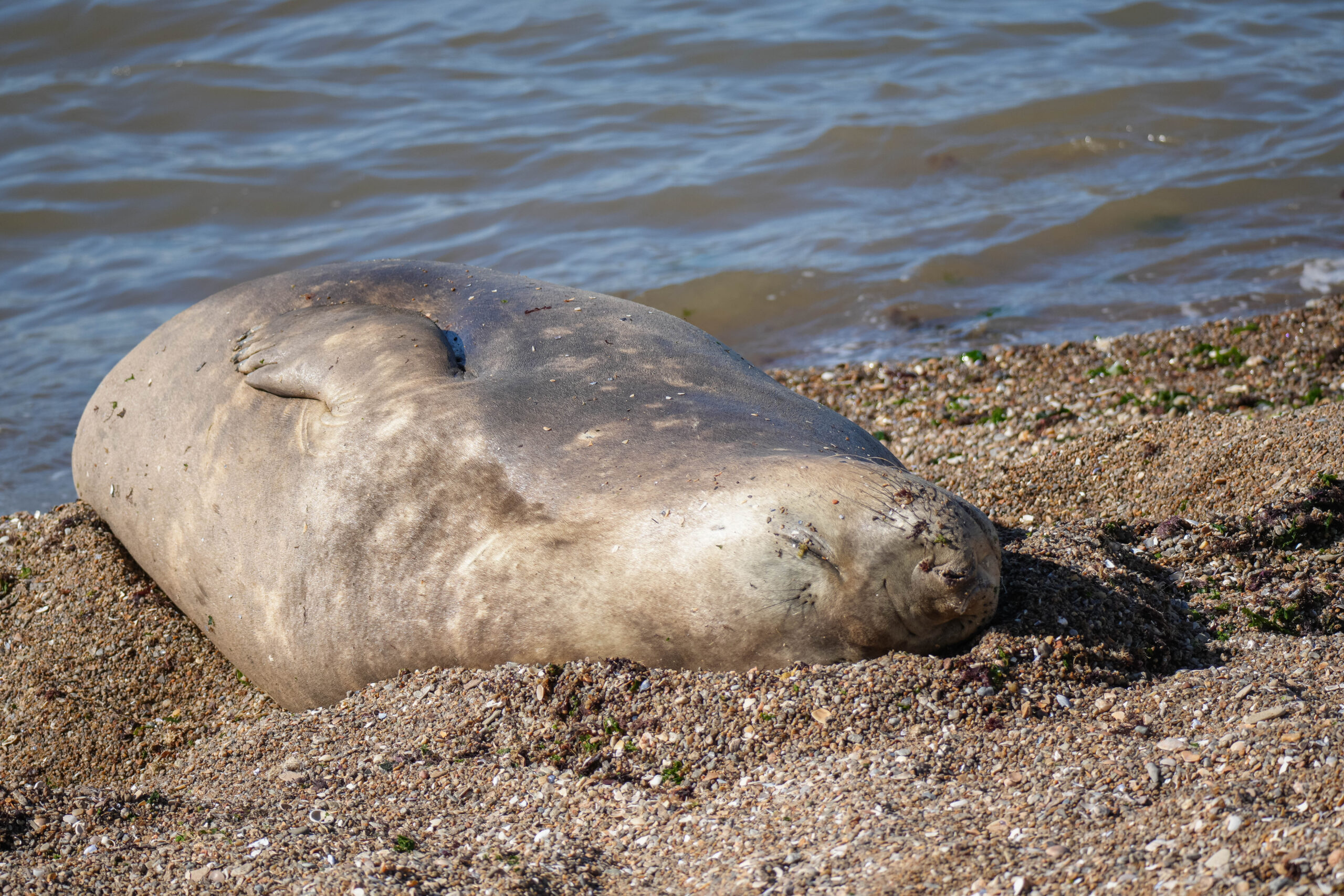
Our apartment for the stay was on Bahia Chica, a calm bay with a gentle wave beach at our doorstep. We spent many of our mornings here, collecting shells, sipping maté and investigating what looked like water balloons but discovered they were actually empty snail egg pouches. A massive seal came and joined us for a few days, but otherwise we had the place to ourselves. A typical day was beach in the morning, nap in the afternoon and either return to the beach or an art project in the evening while making dinner.
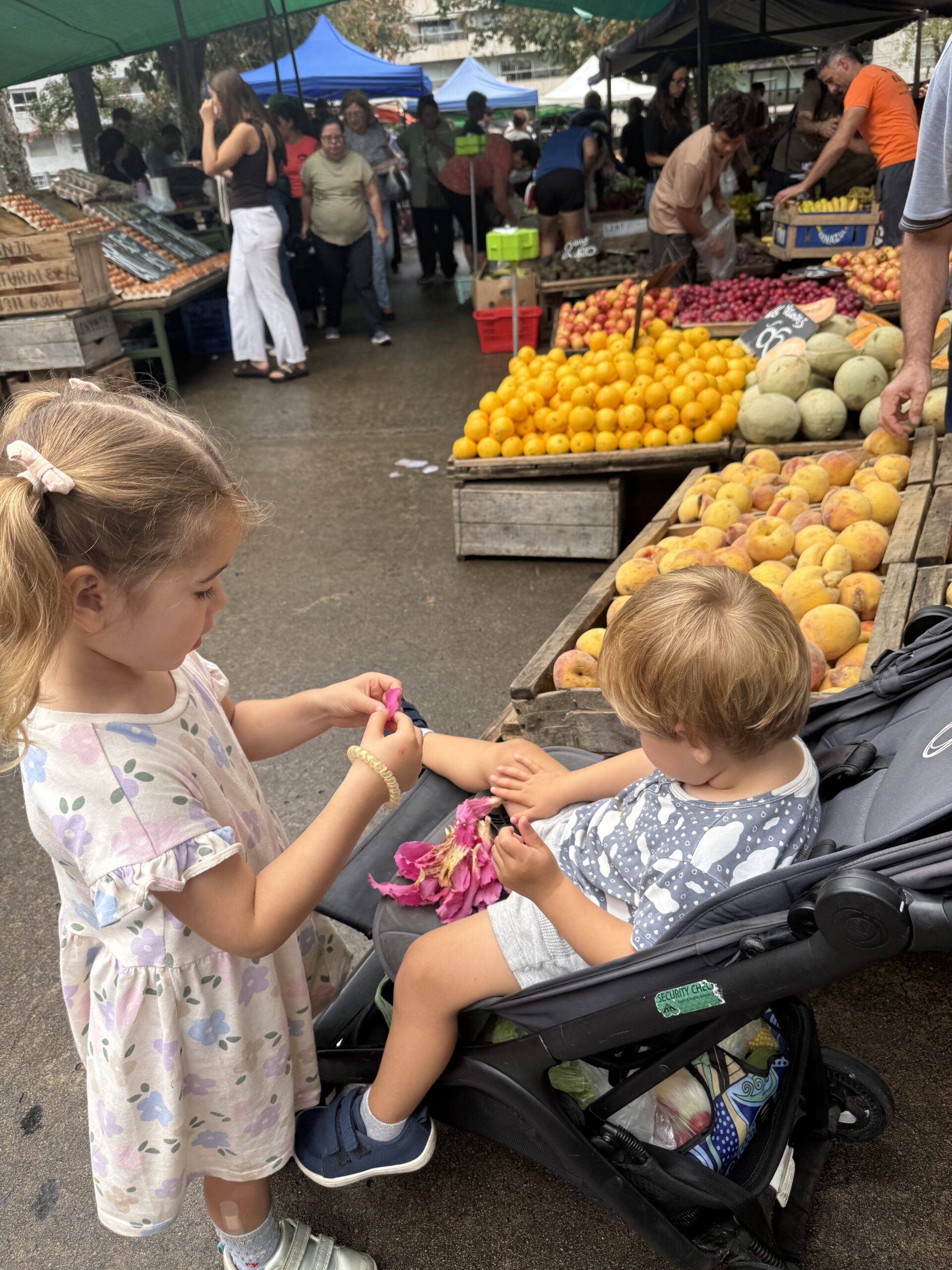
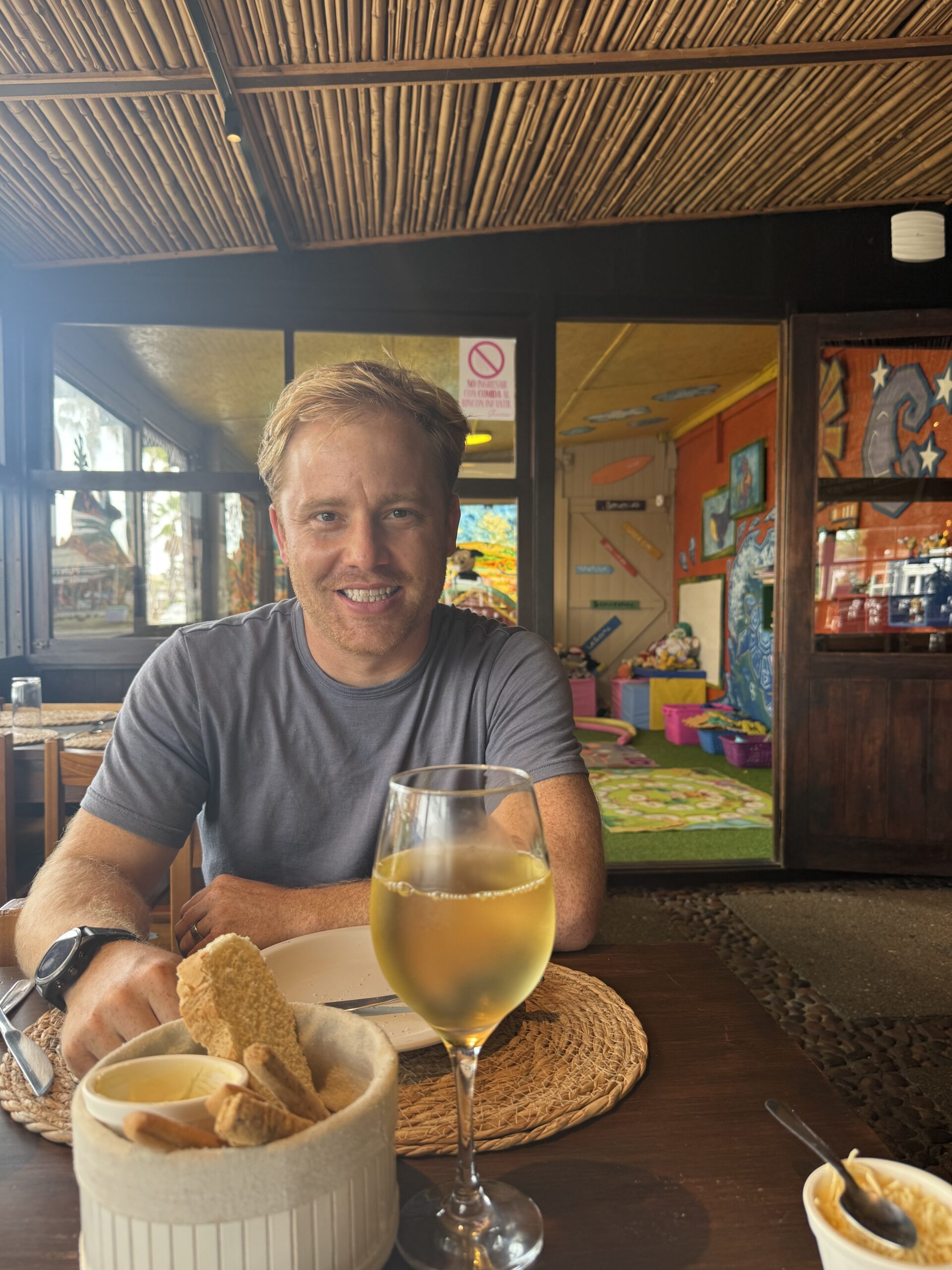
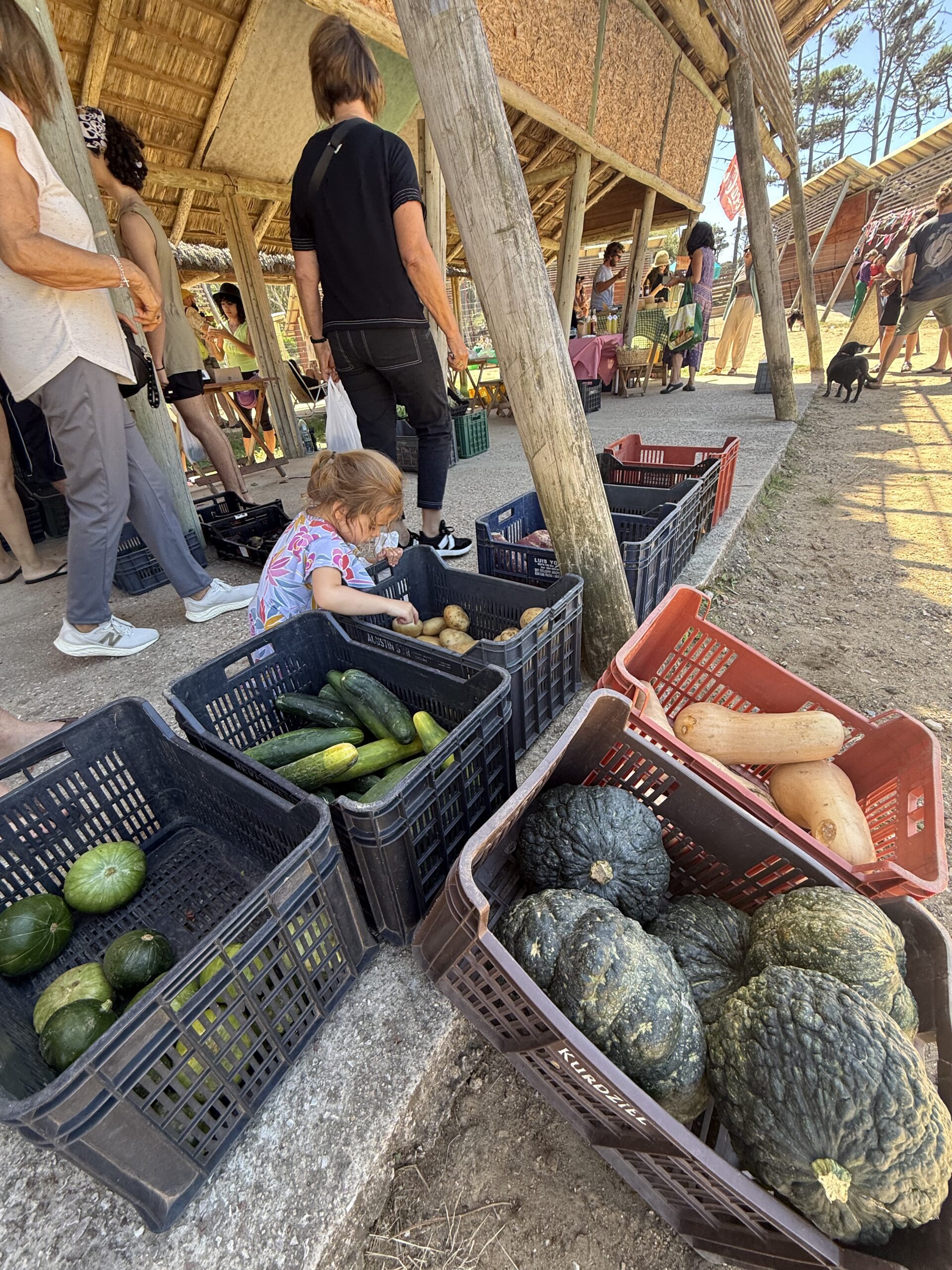
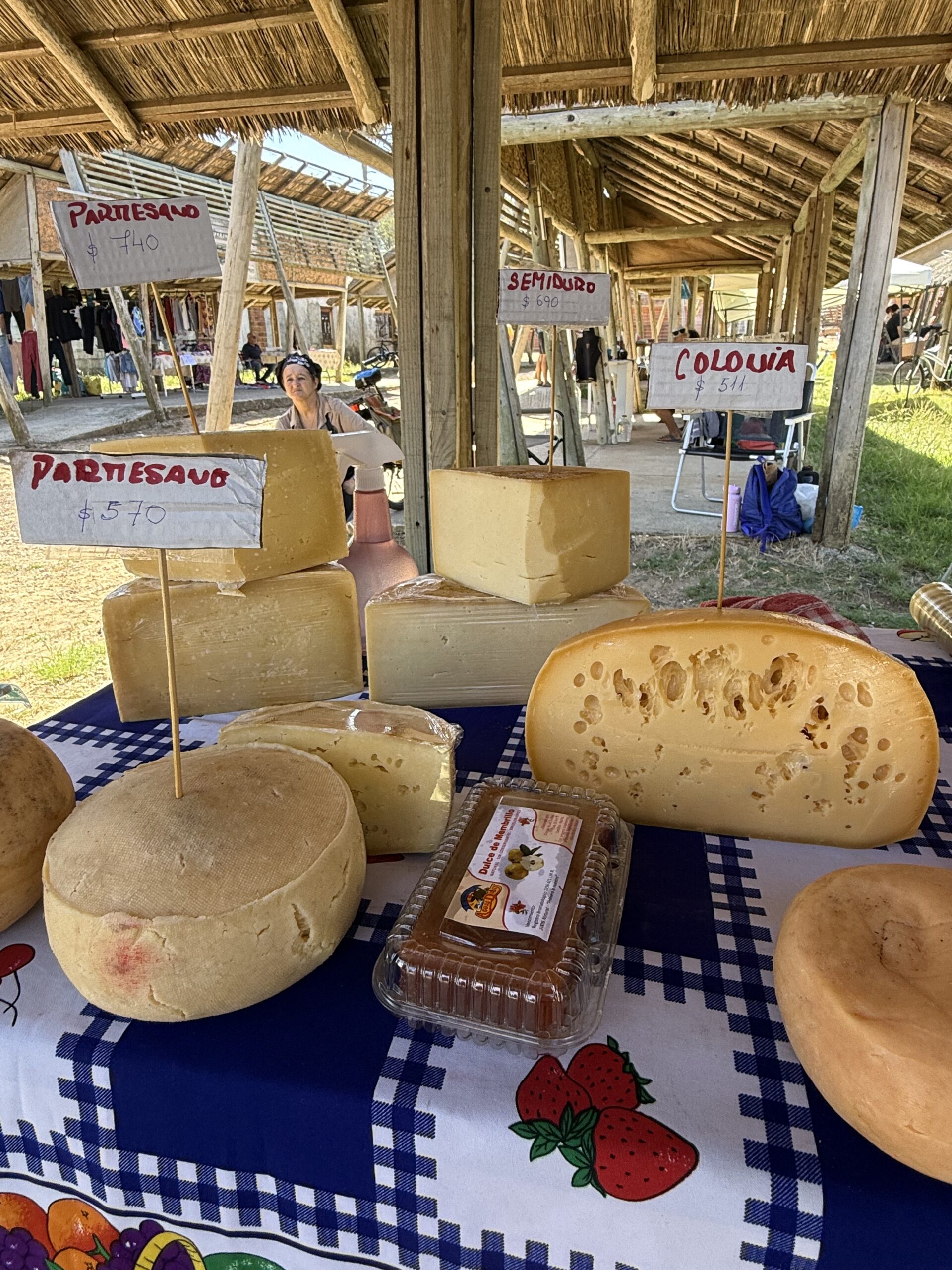
We walked the five minutes to “downtown” on a few occasions, mostly to restock on food at the Feria, farmers market, or eat at Restaurant Arrecife, which had great seafood and an even better play area for the kids. At the Feria, Emmett and Mae loved helping to pick out produce, joining in on cooking later to use “her potato” or “his mango”. Other highlights from the market were holding rabbits (pretty sure these were pets, not for eating), fantastic homemade crackers and some ex-pats from Turkey who had delicious greek yogurt that was a much needed break from the sugary yogurt at the supermarkets.
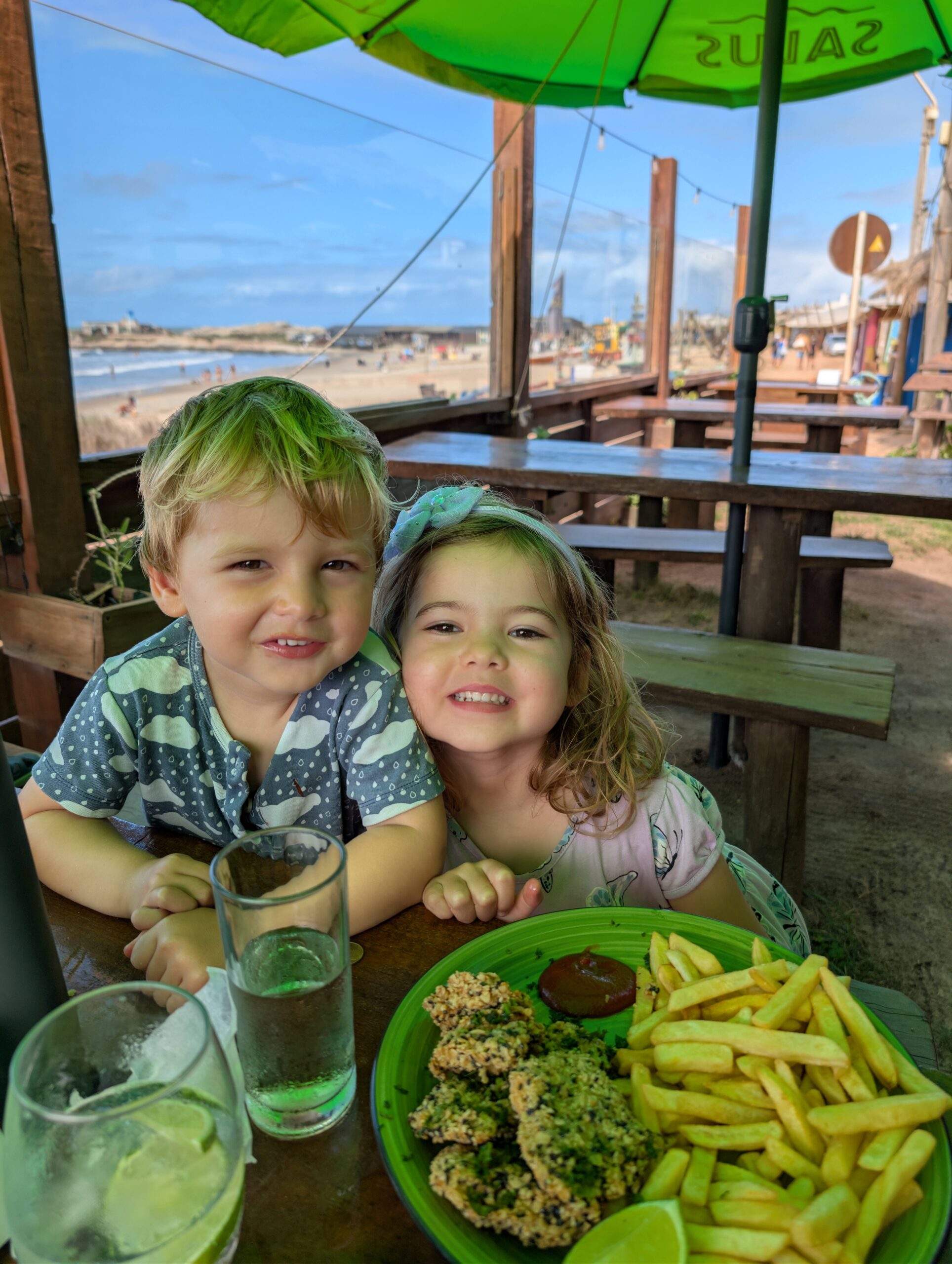
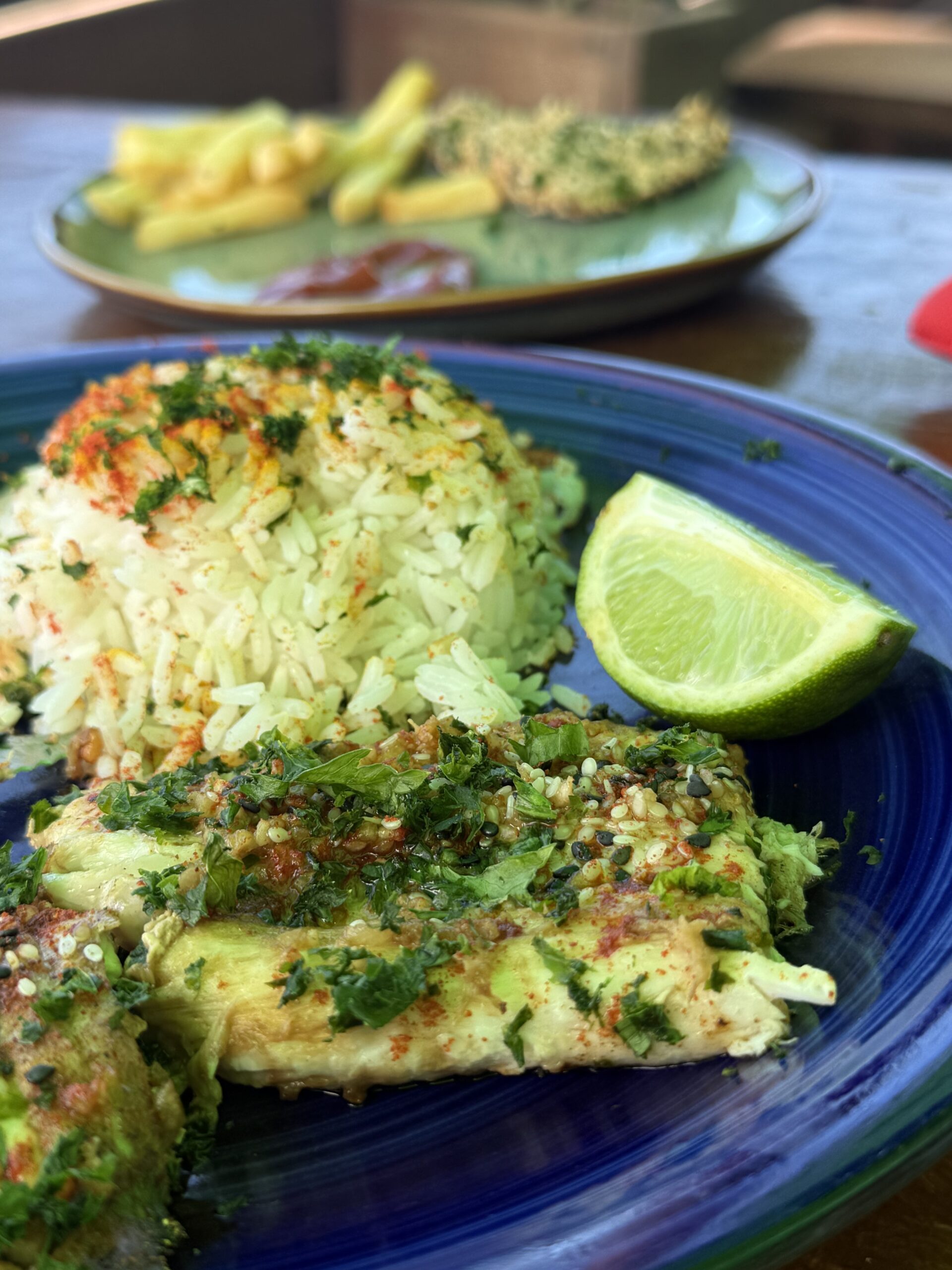
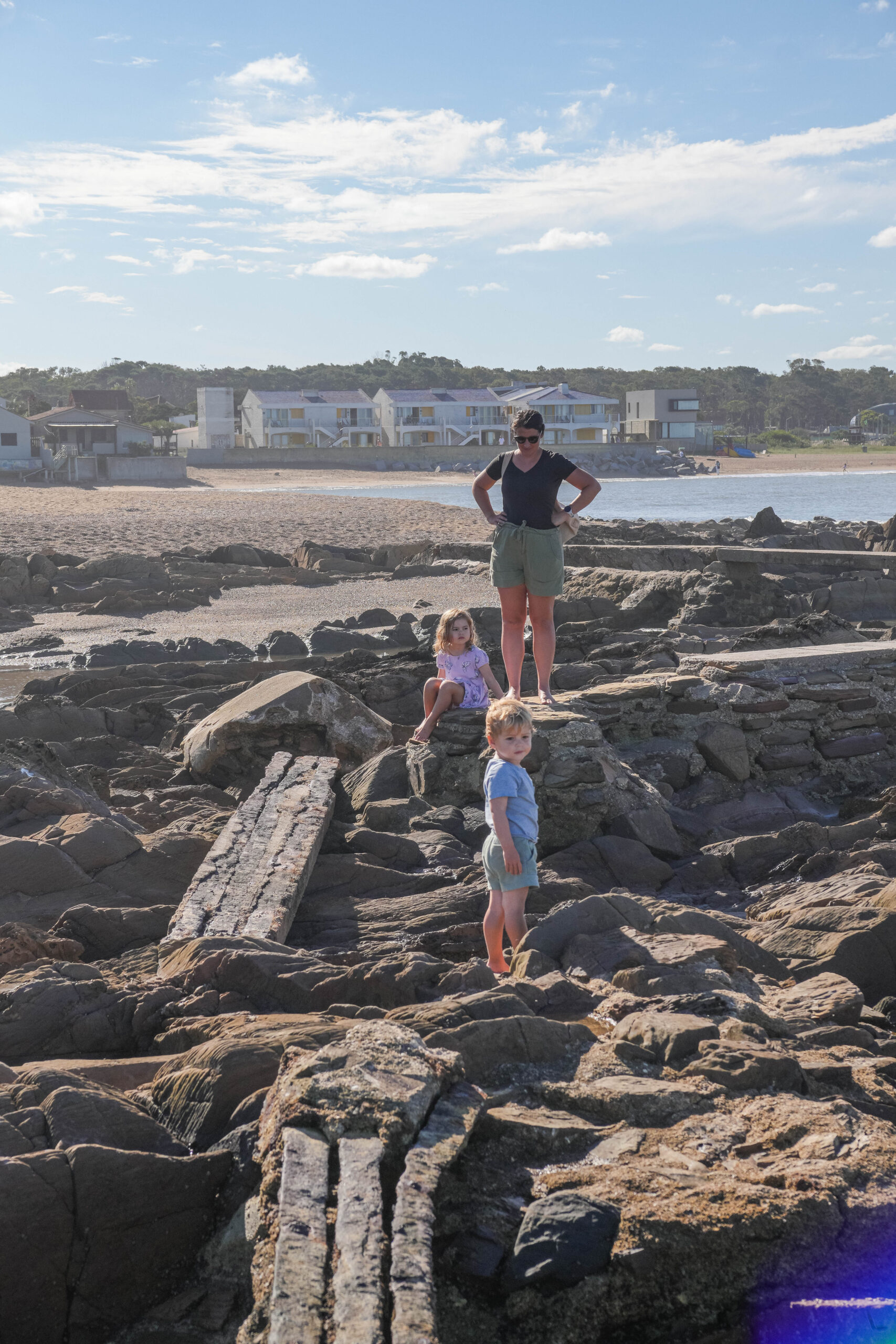
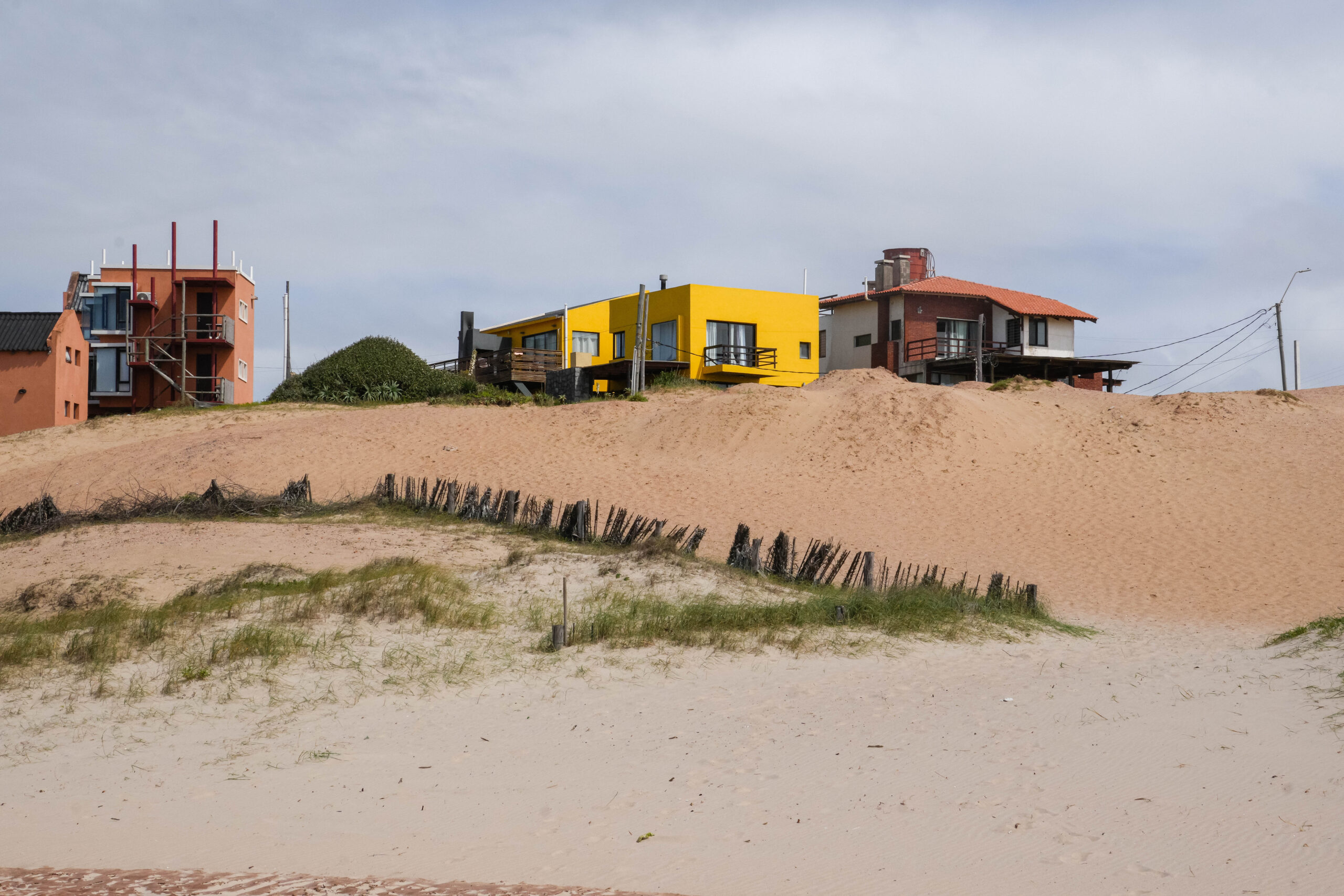
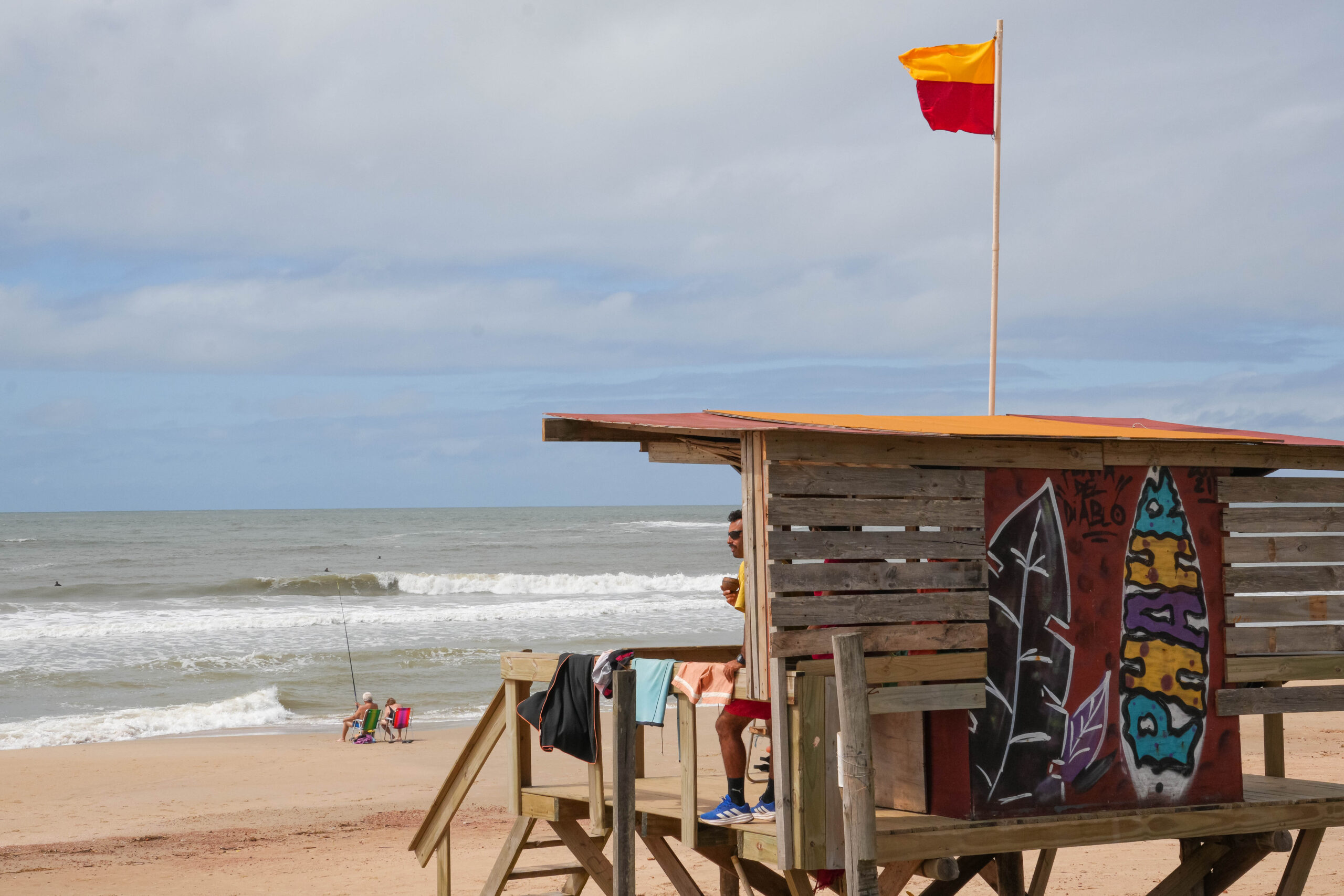
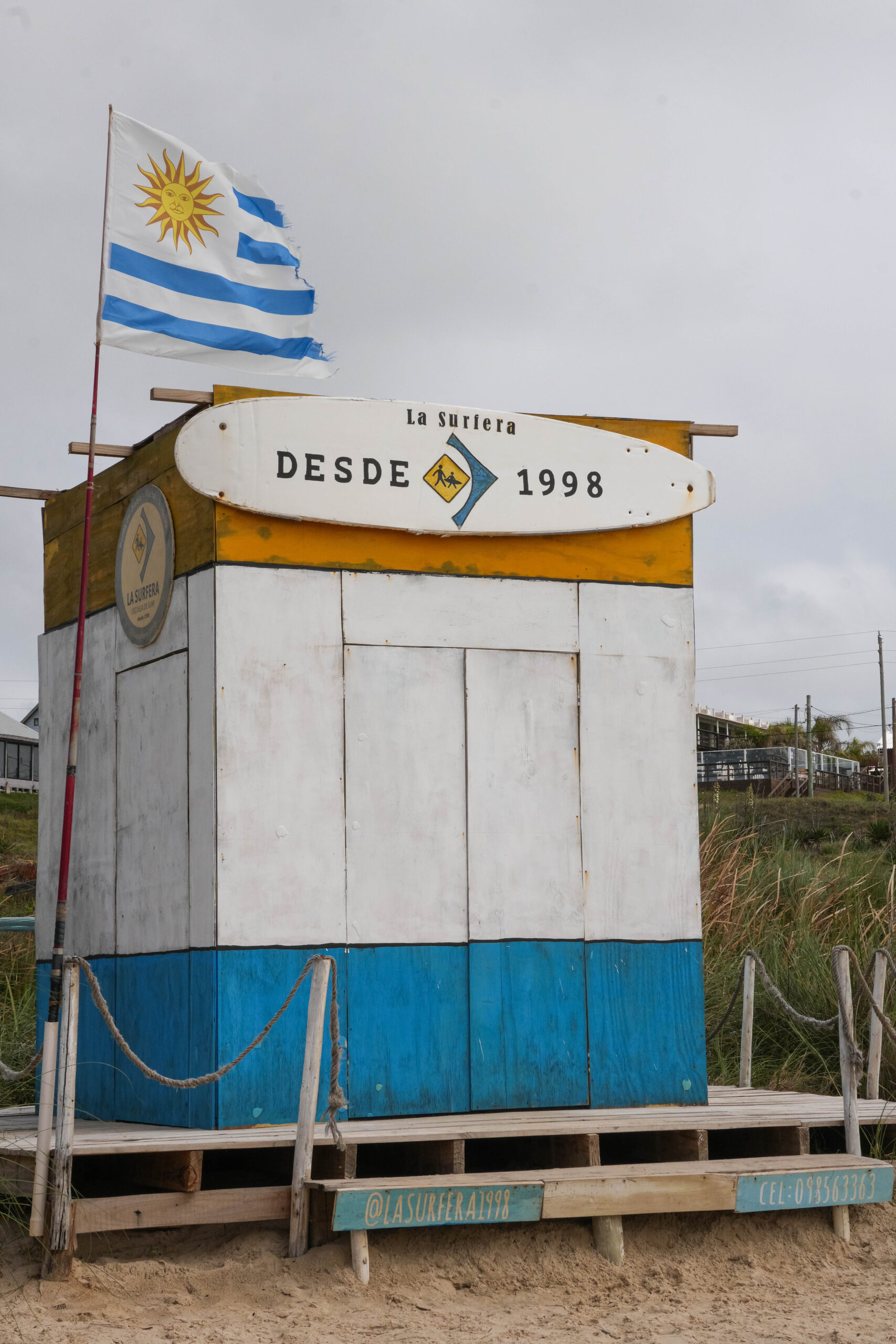
One trip we did take out of La Paloma was to drive north, nearly to the Brazilian boarder, to Punta del Diablo. The towns roads were all “paved” with sand and the buildings and people gave off a very bohemian vibe. We played in the waves all morning before grabbing some of the best “minaturas de pescado “, aka fish-in-chips, at Tartaruga. The breading they used with seeds and spices was some of the best I’ve very had in my life and we all were literally liking the crumbs off the plate.
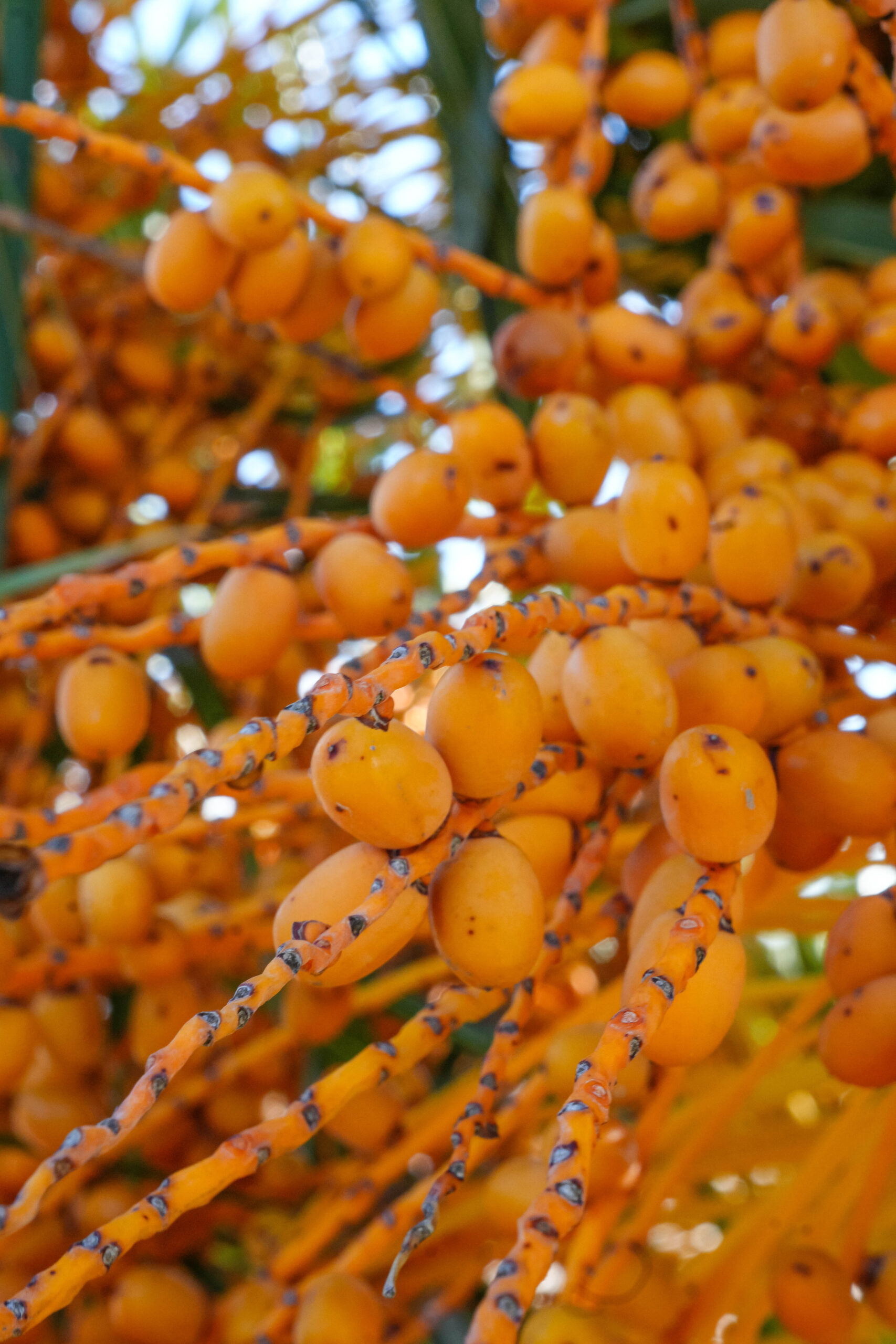
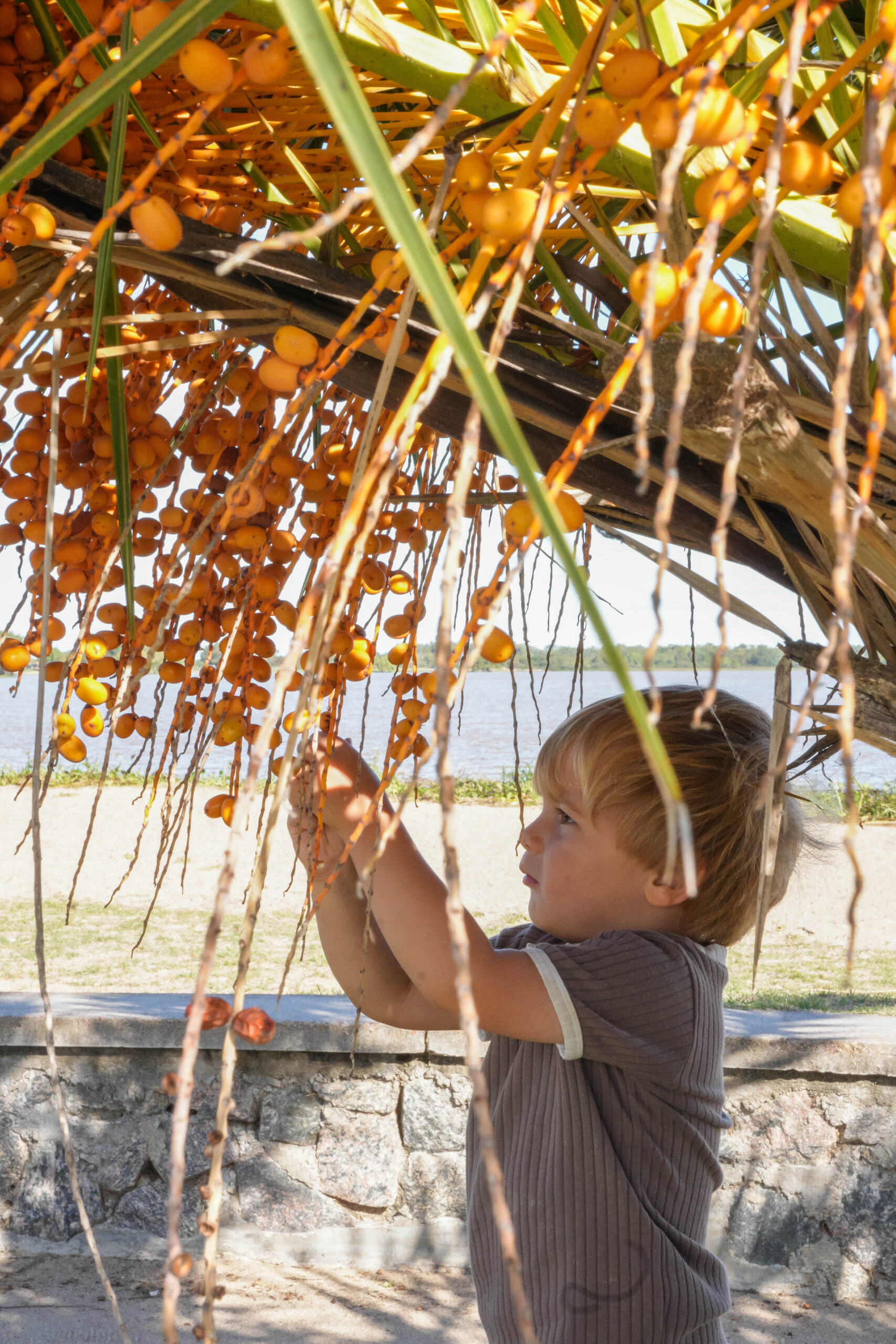
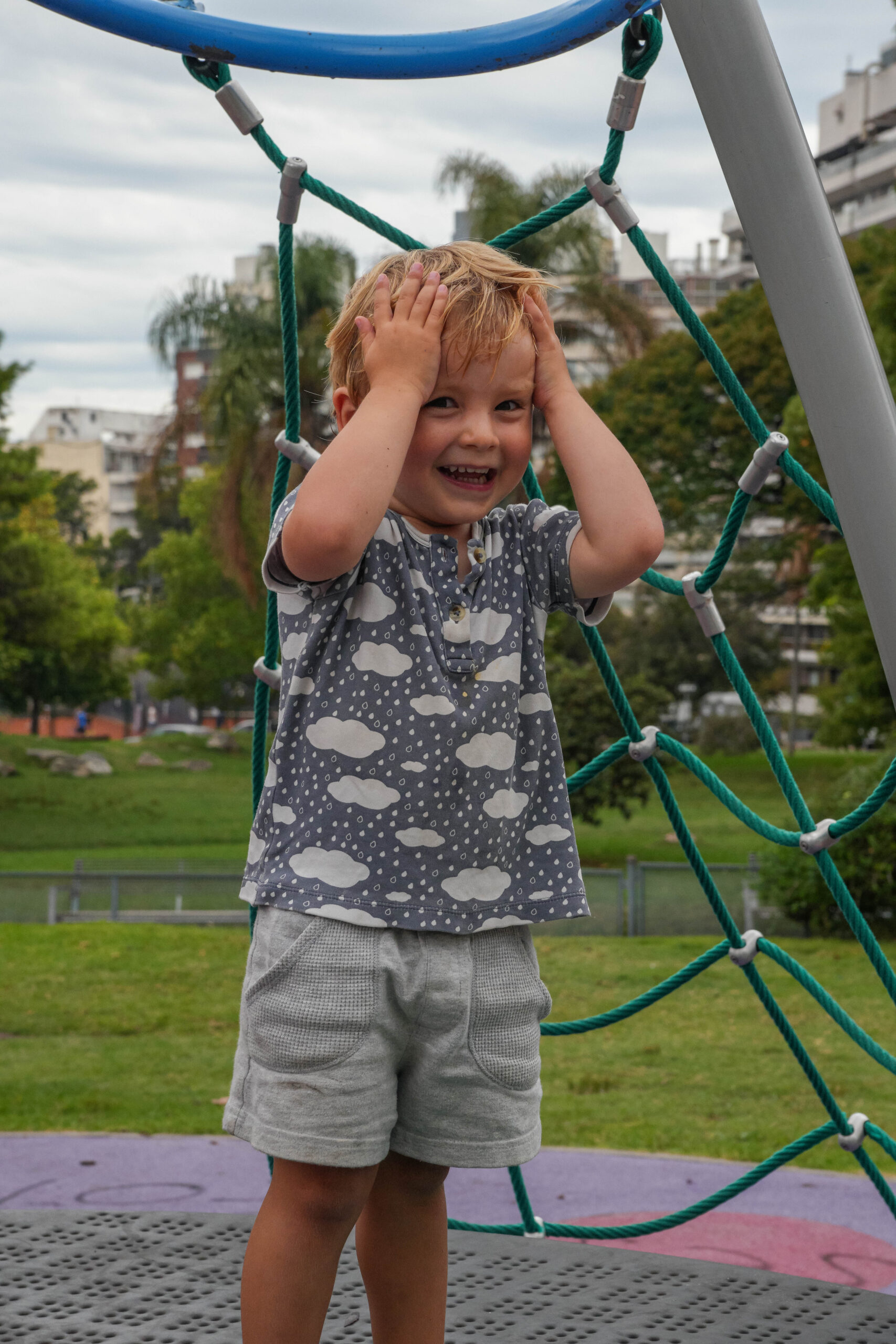
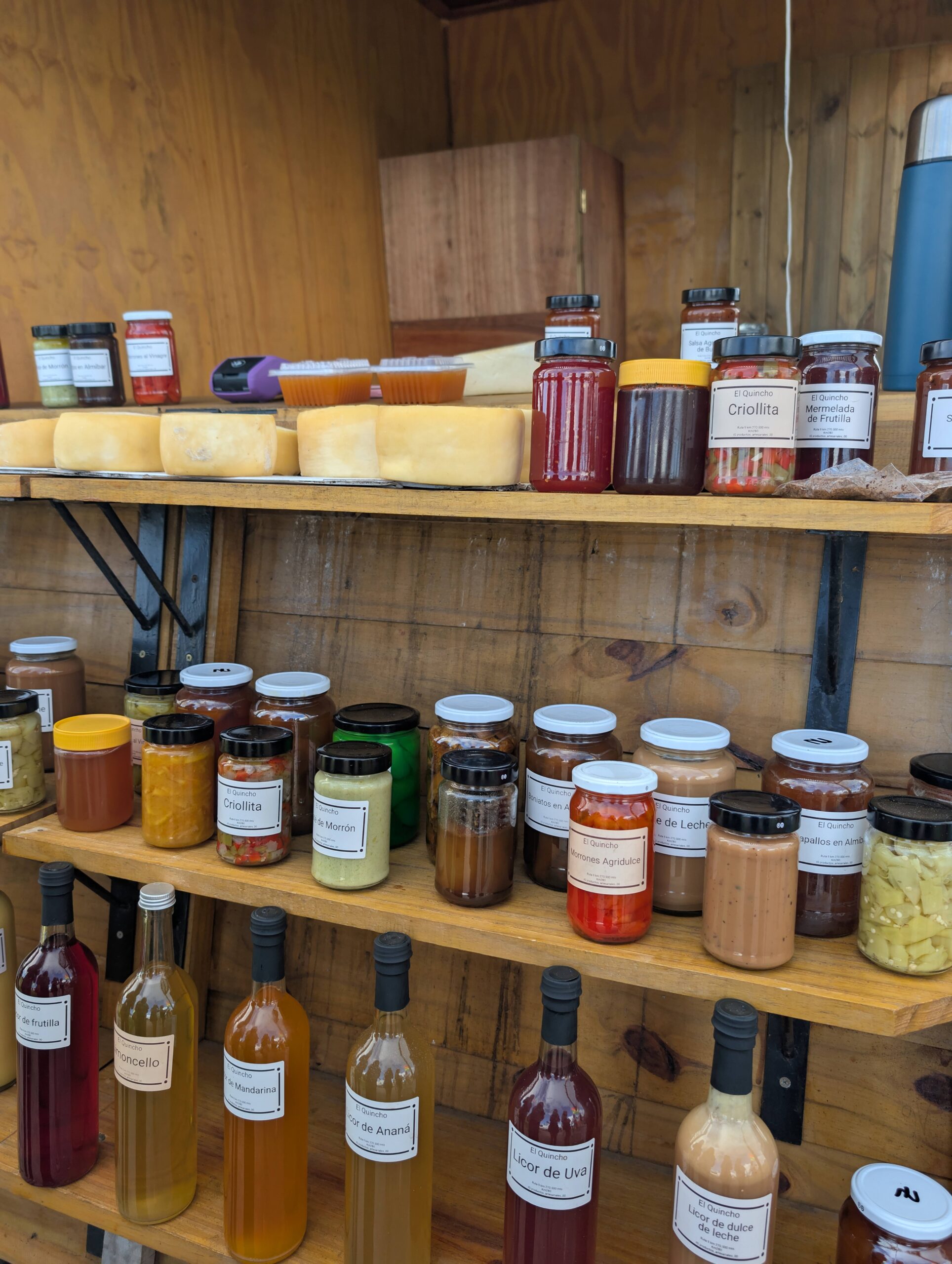
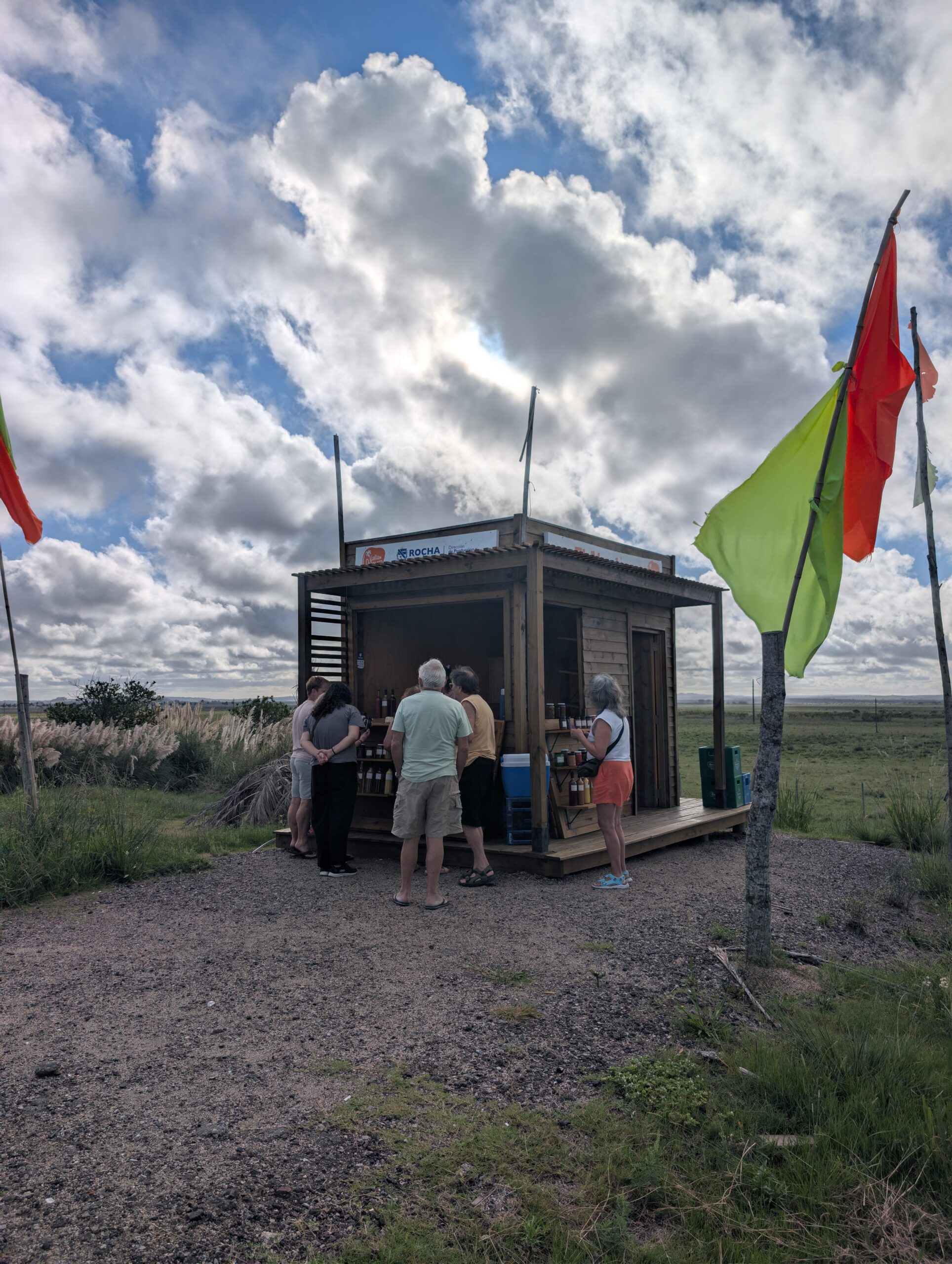
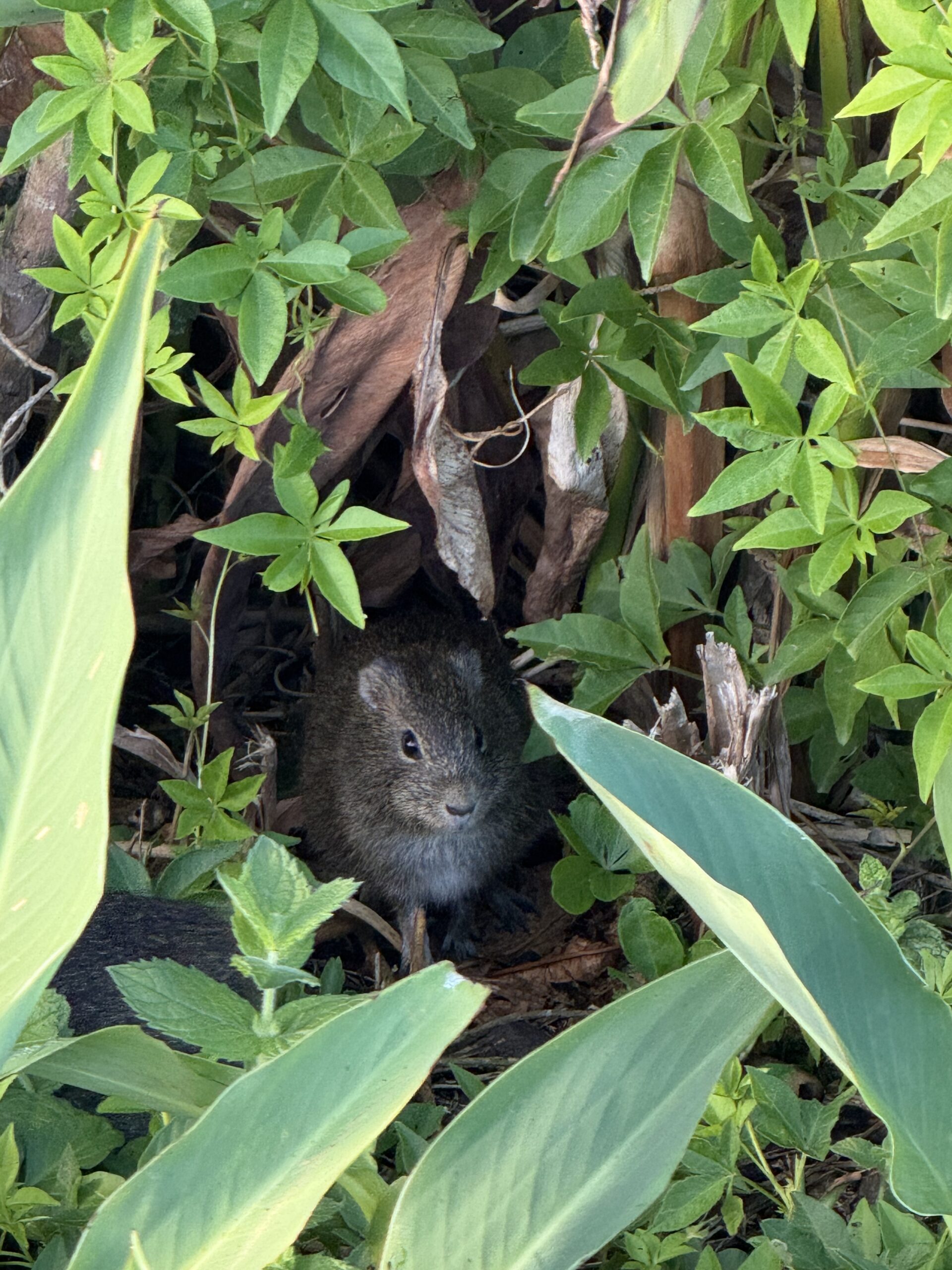
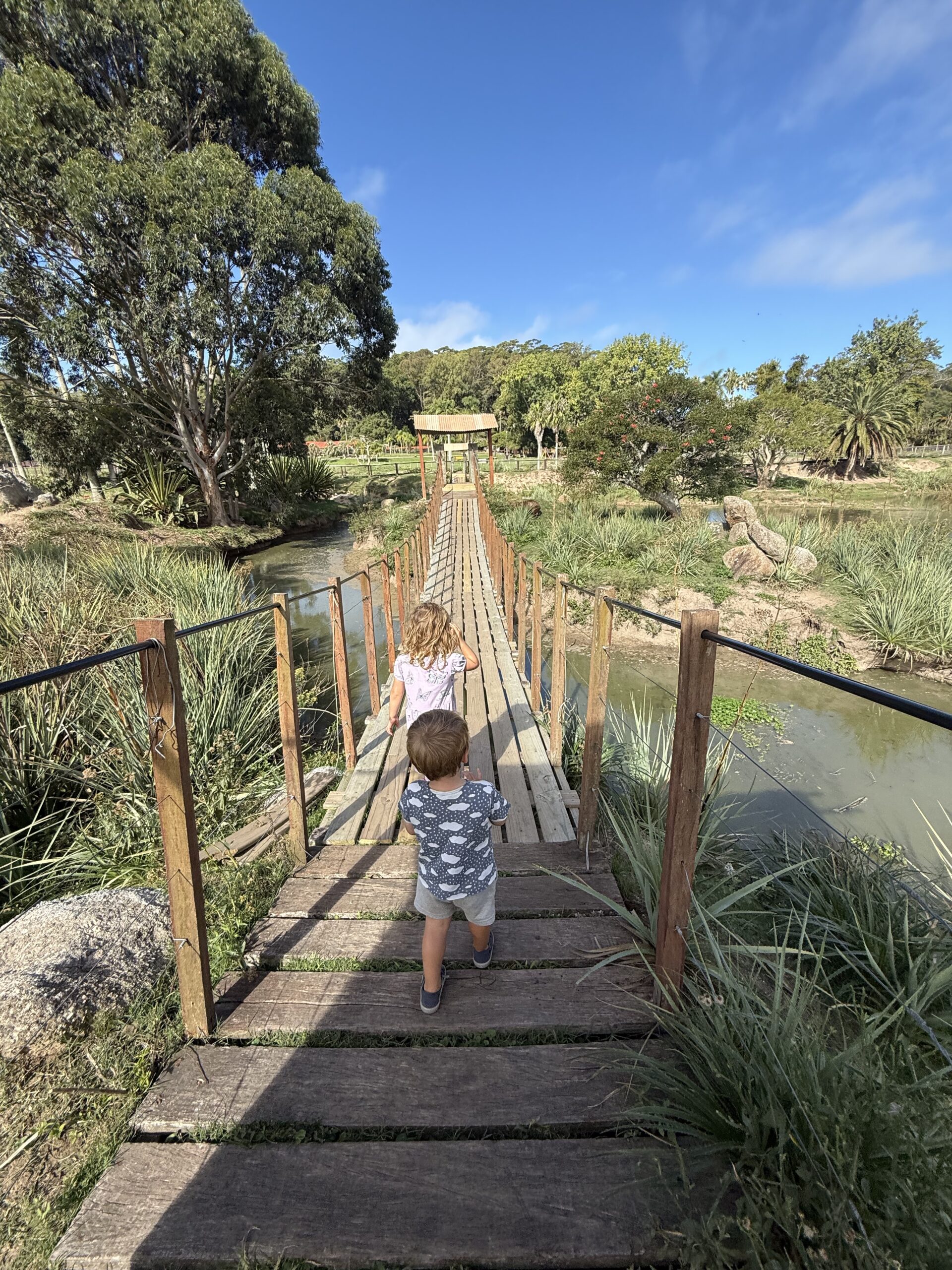
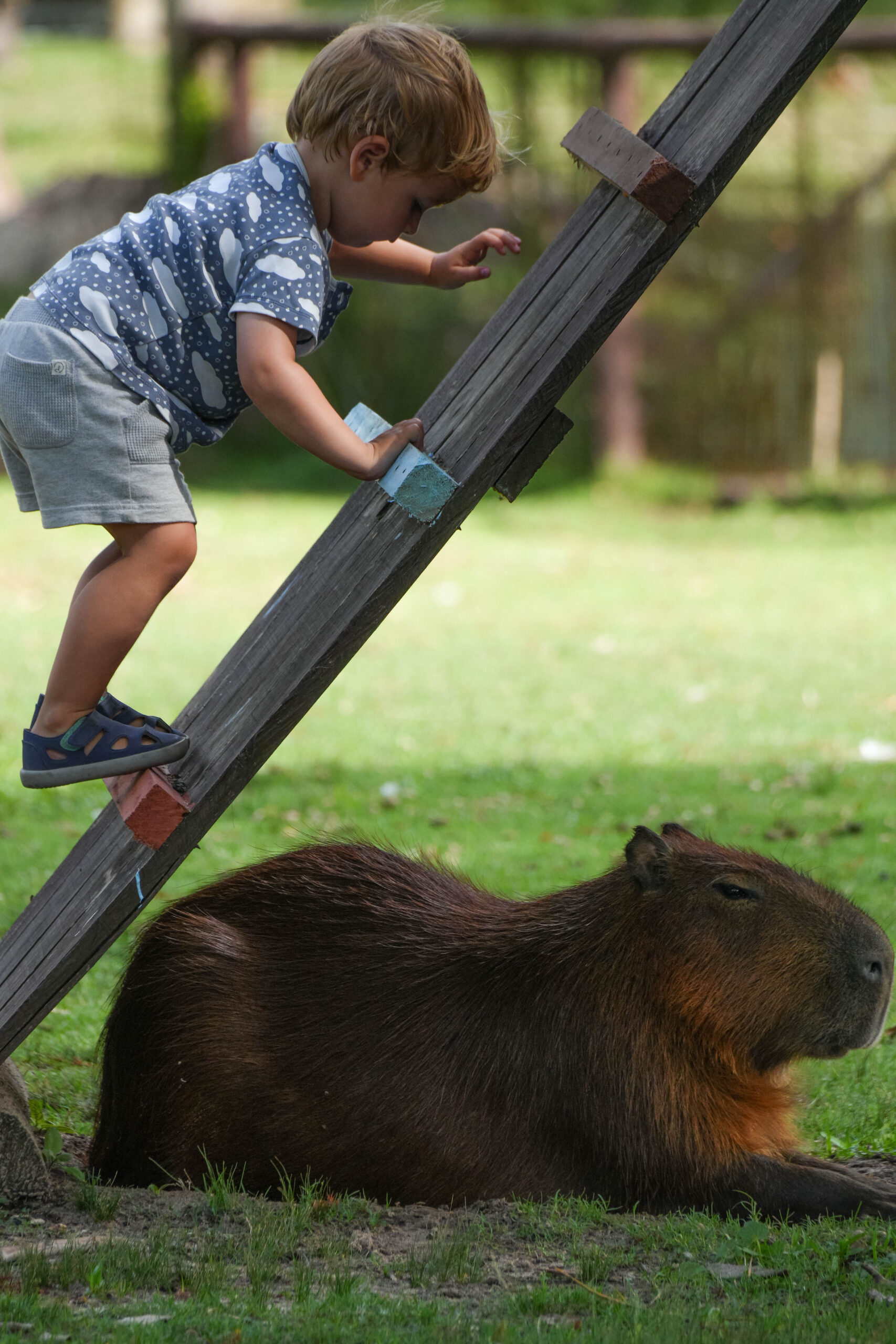
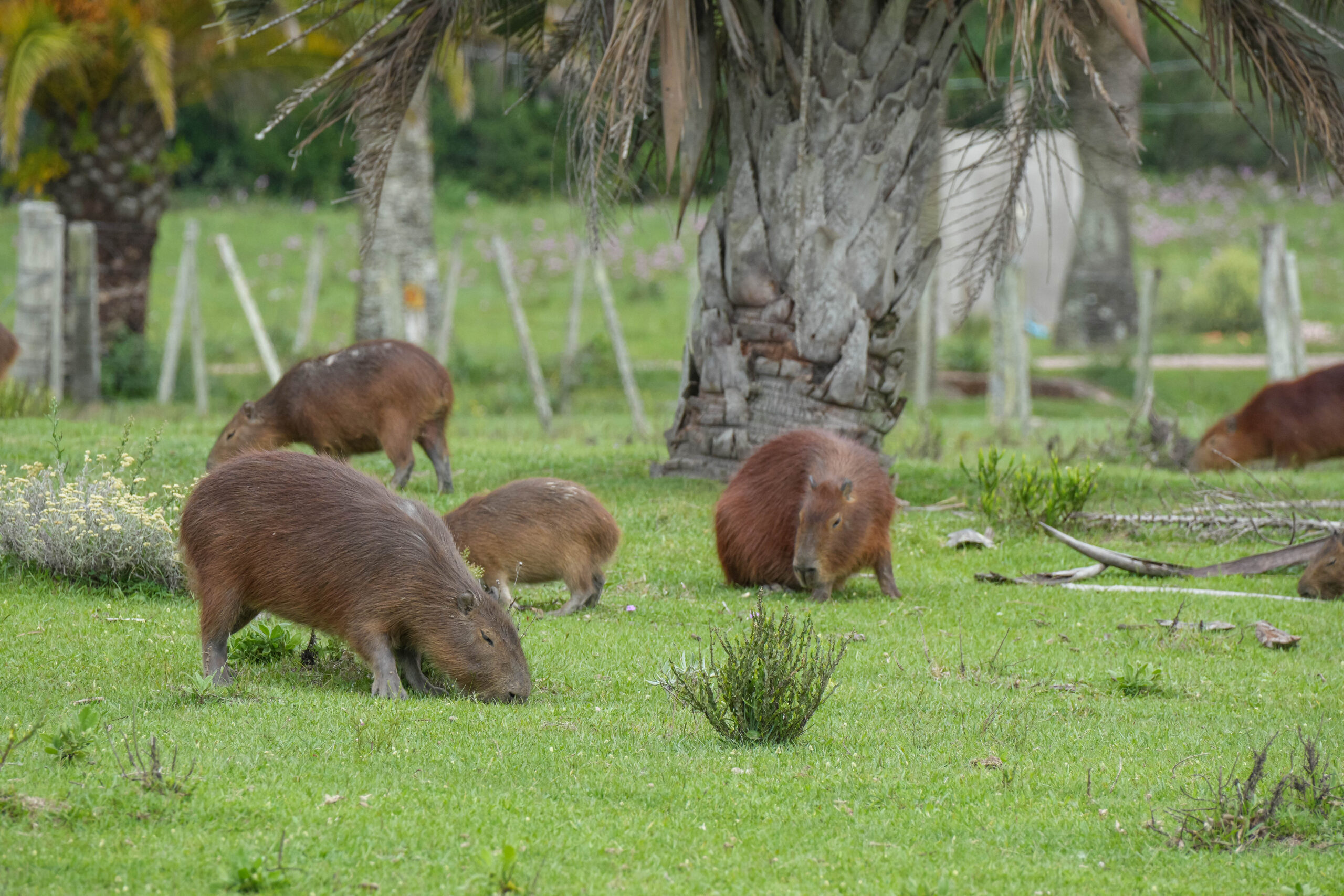
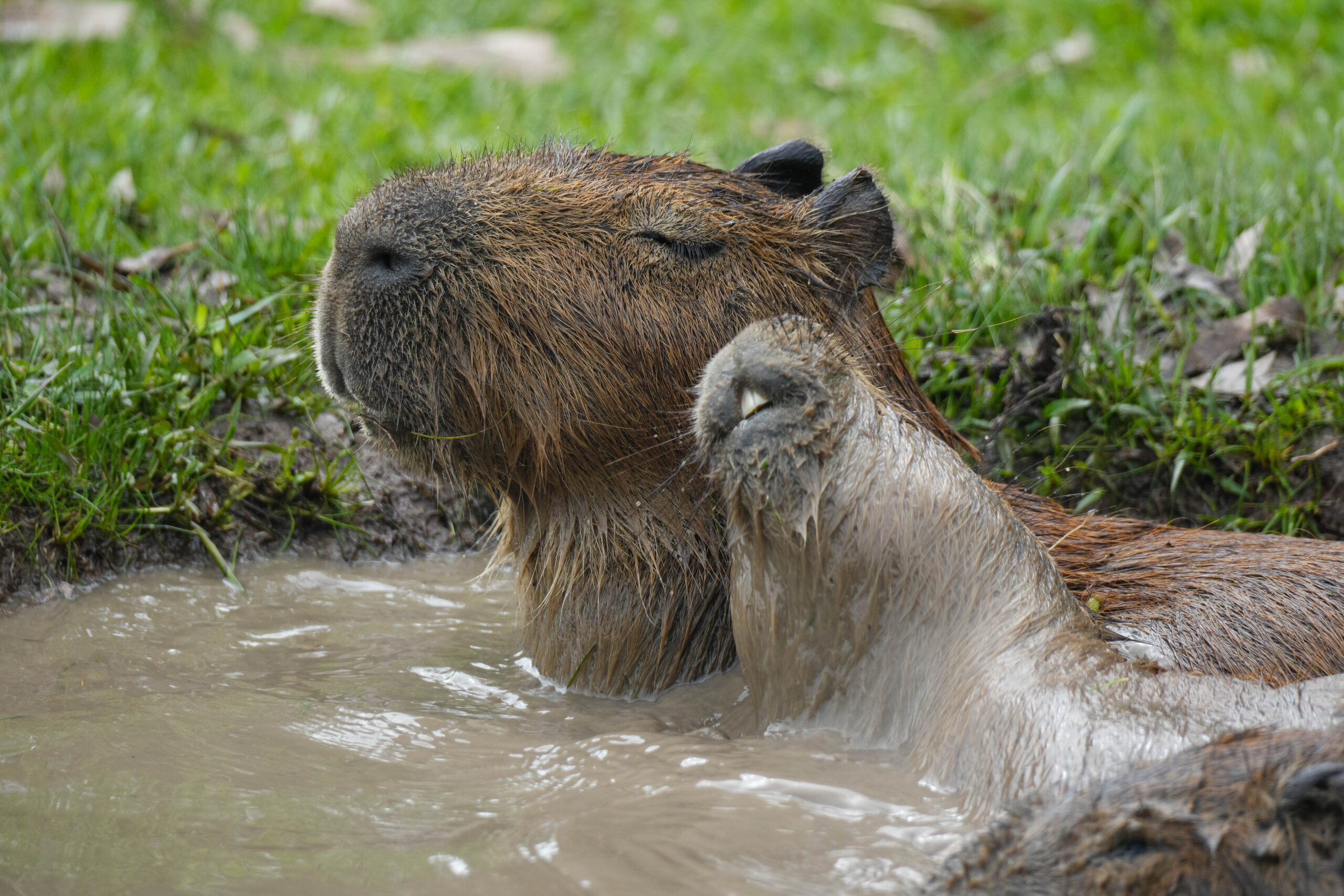
Right next to town is the Santa Teresa National Park, made up of forests, camp sites, an old fortress and a fauna reserve. The last of those things was our primary interest, specifically for a chance to see capybaras. What we found was a free-range park with all sorts of animals, ranging from monkeys to heritage chickens and, as we hoped, capybaras everywhere. Like, the kids were playing on the playground with capybaras lying in the shade right below them. On our way home we stopped at one of the many farm stands lining the road that specialized in the sale of butia products, a palm fruit produced regionally. We opted for the jam and a few pickled items, but the plethora of syrups and liquors were tempting.
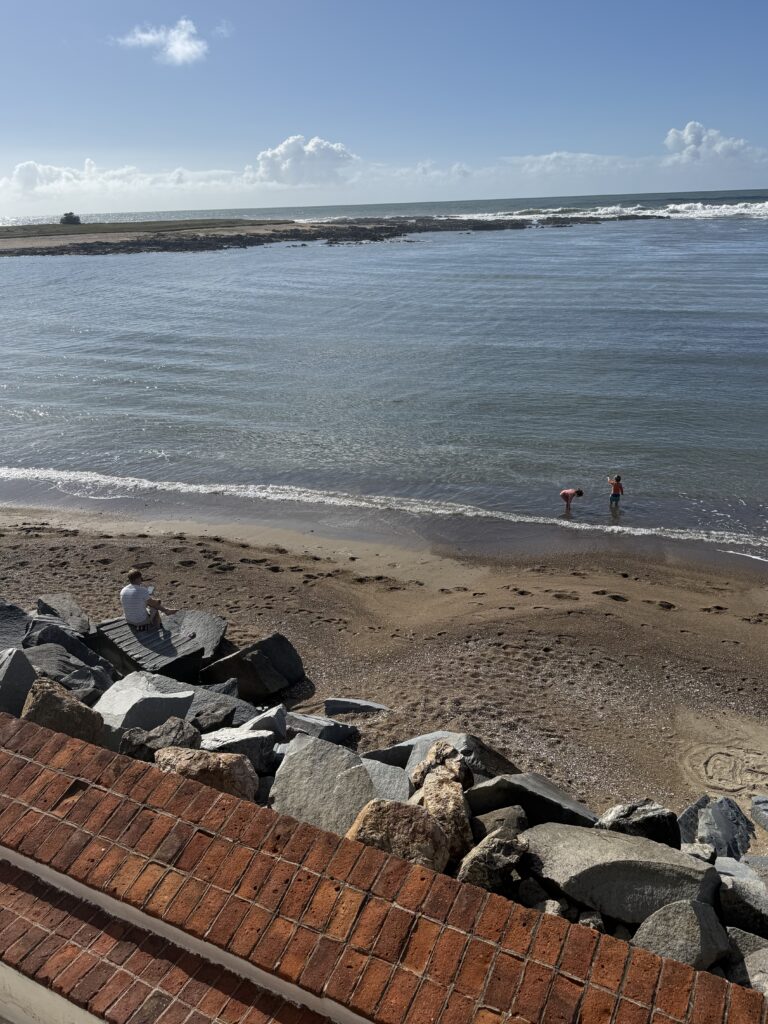
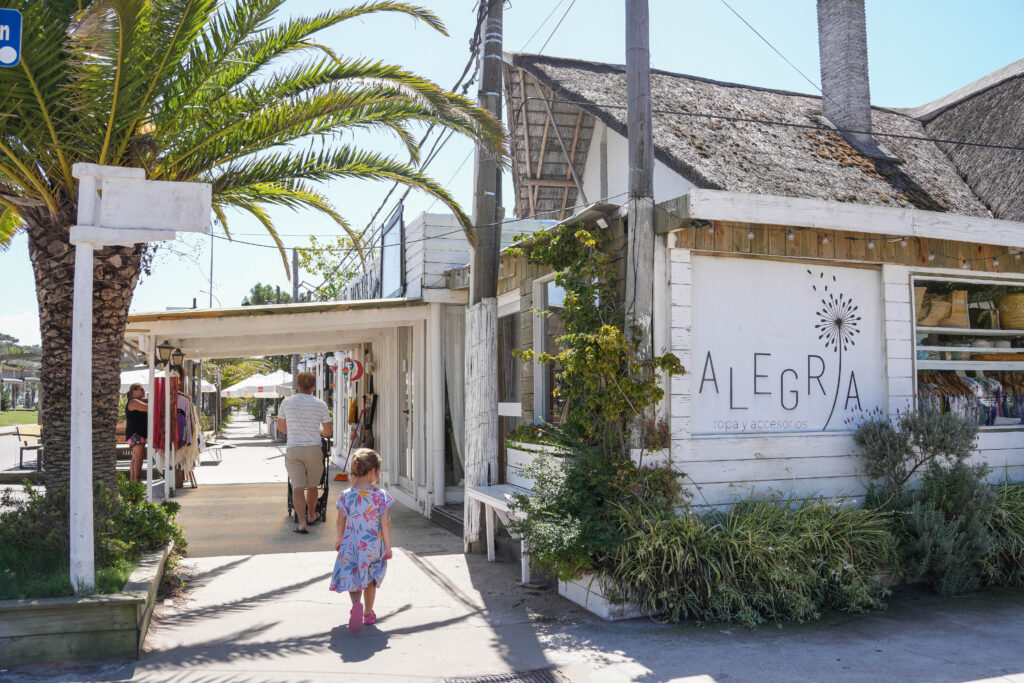
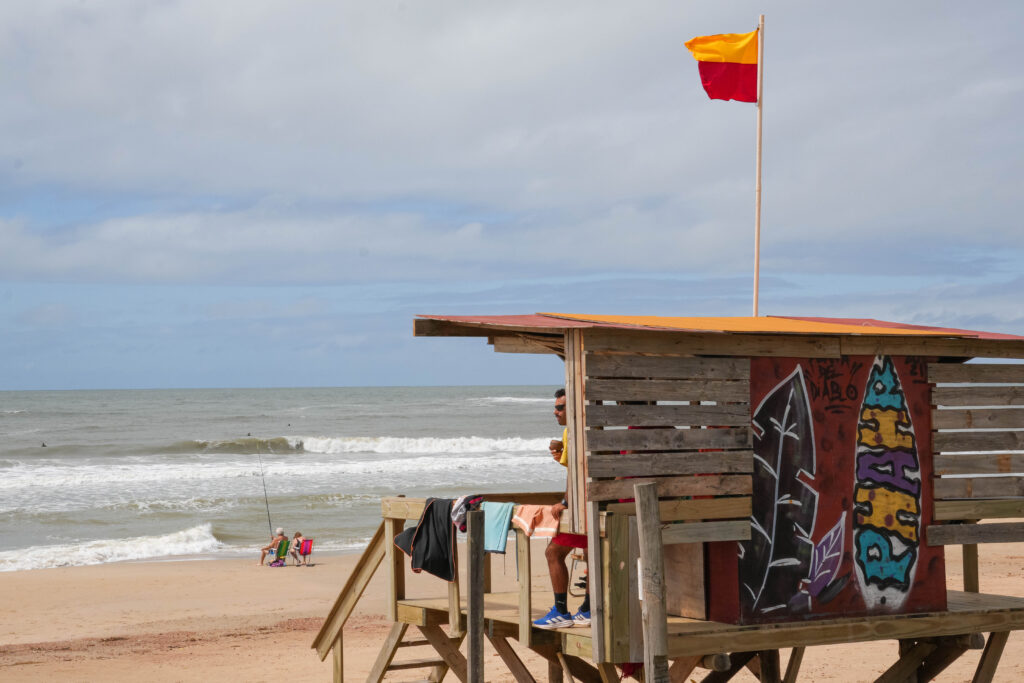
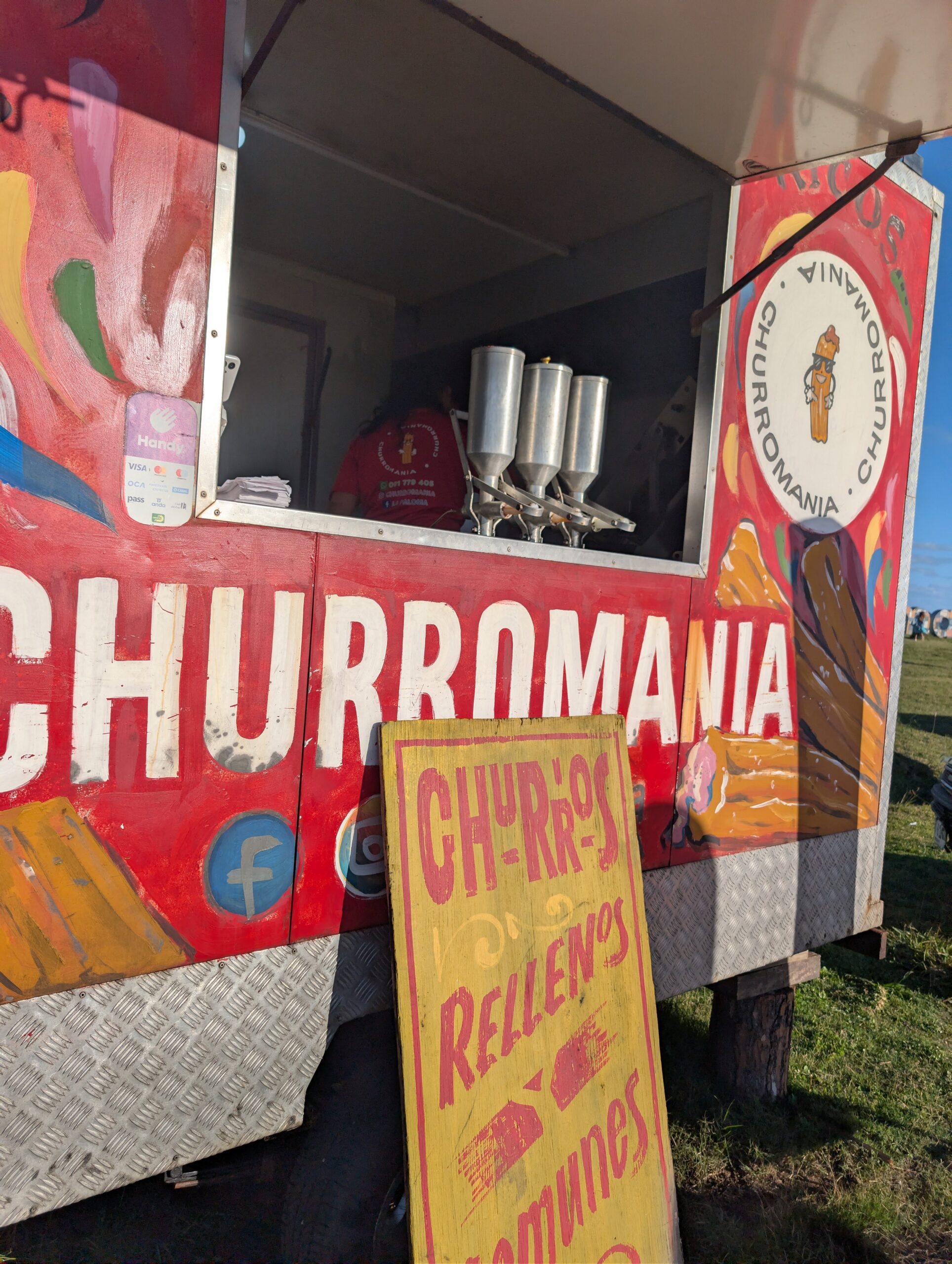
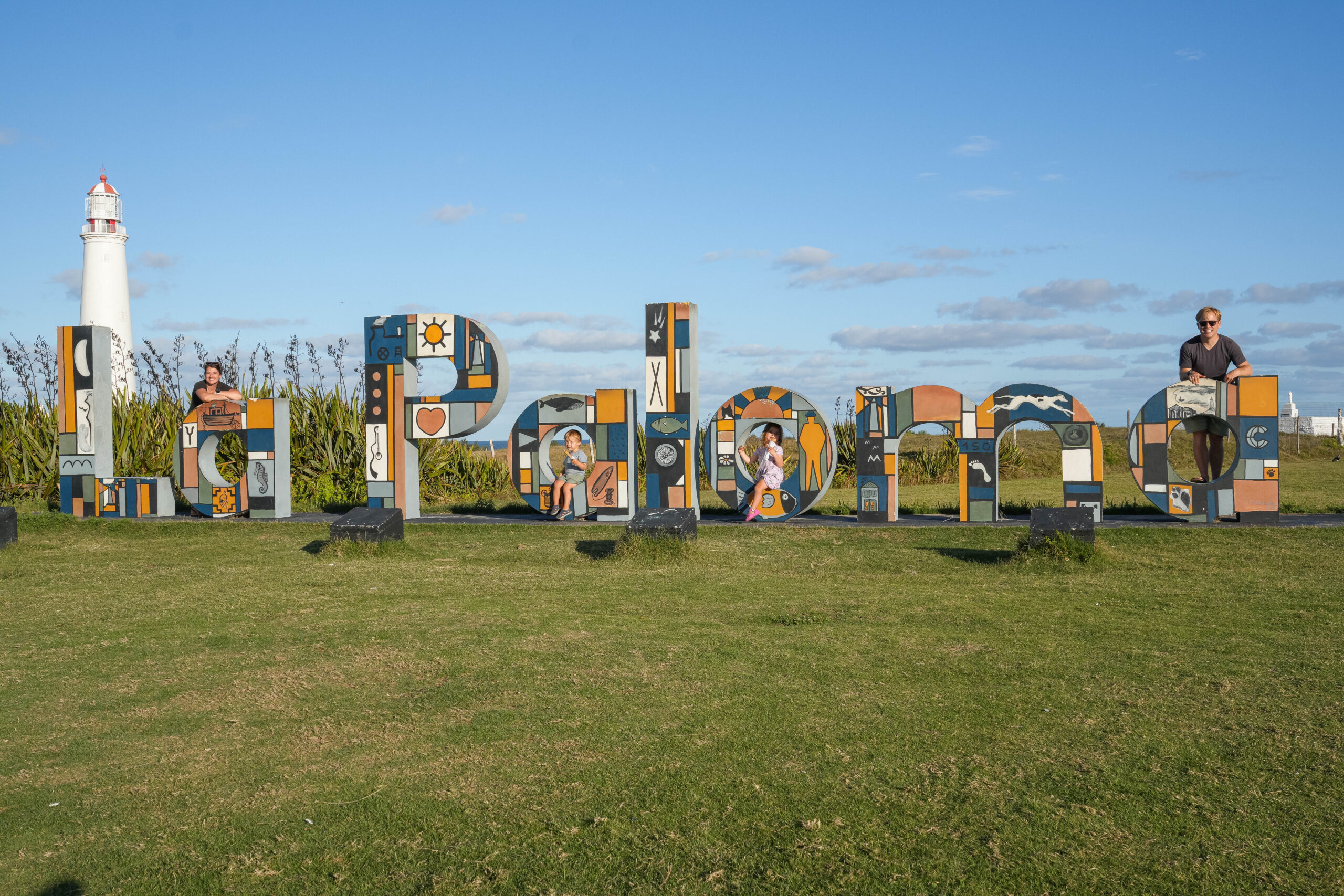
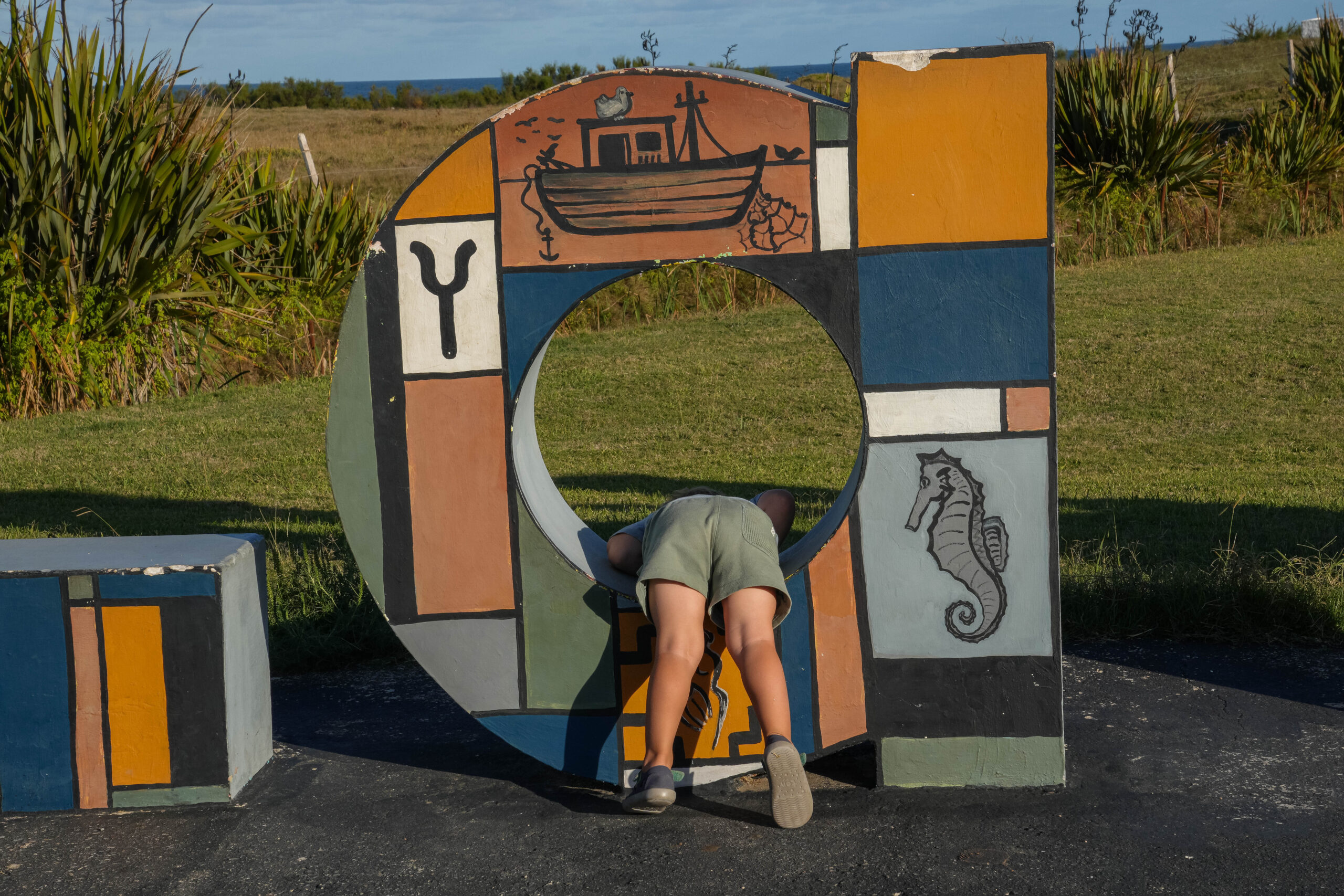
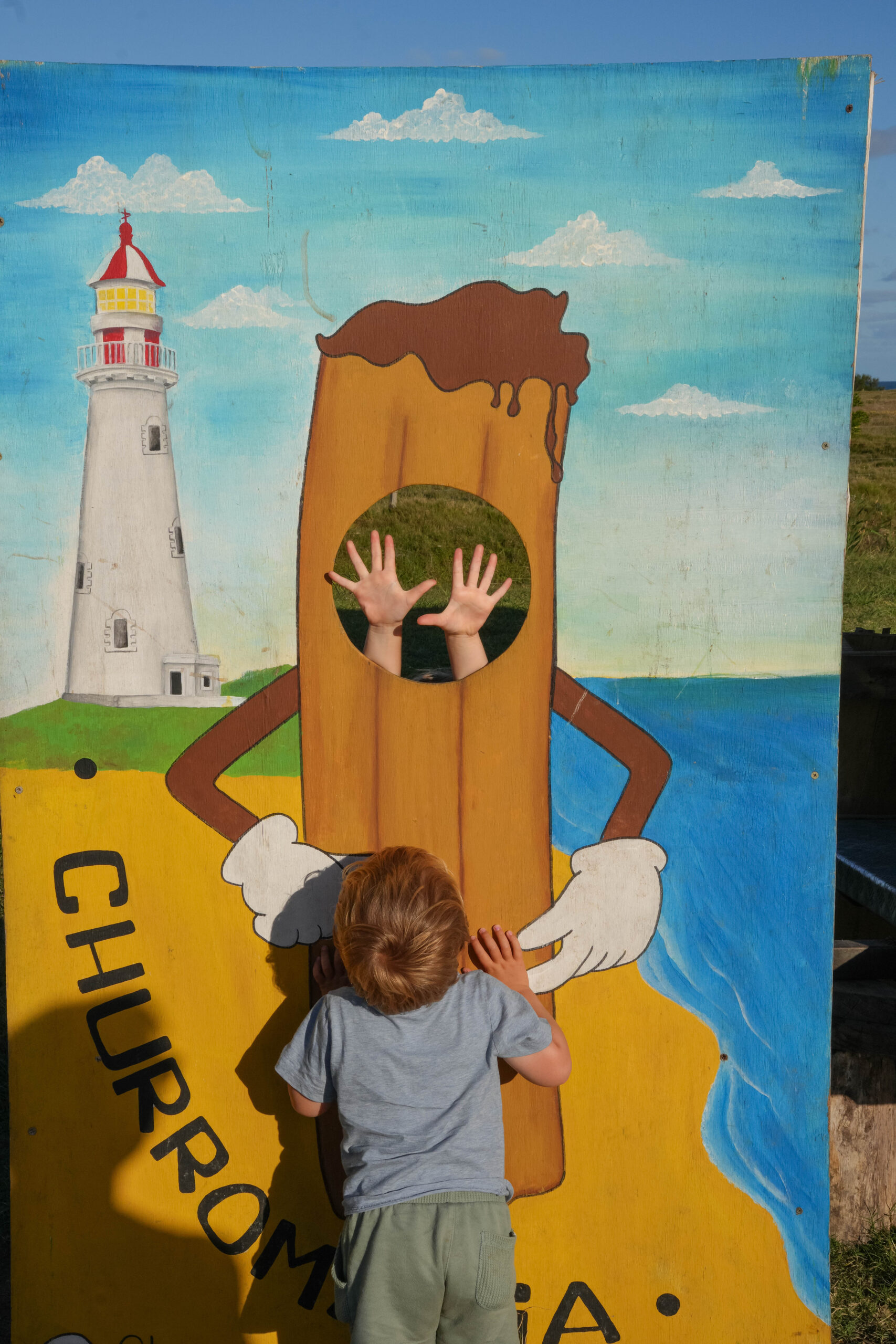
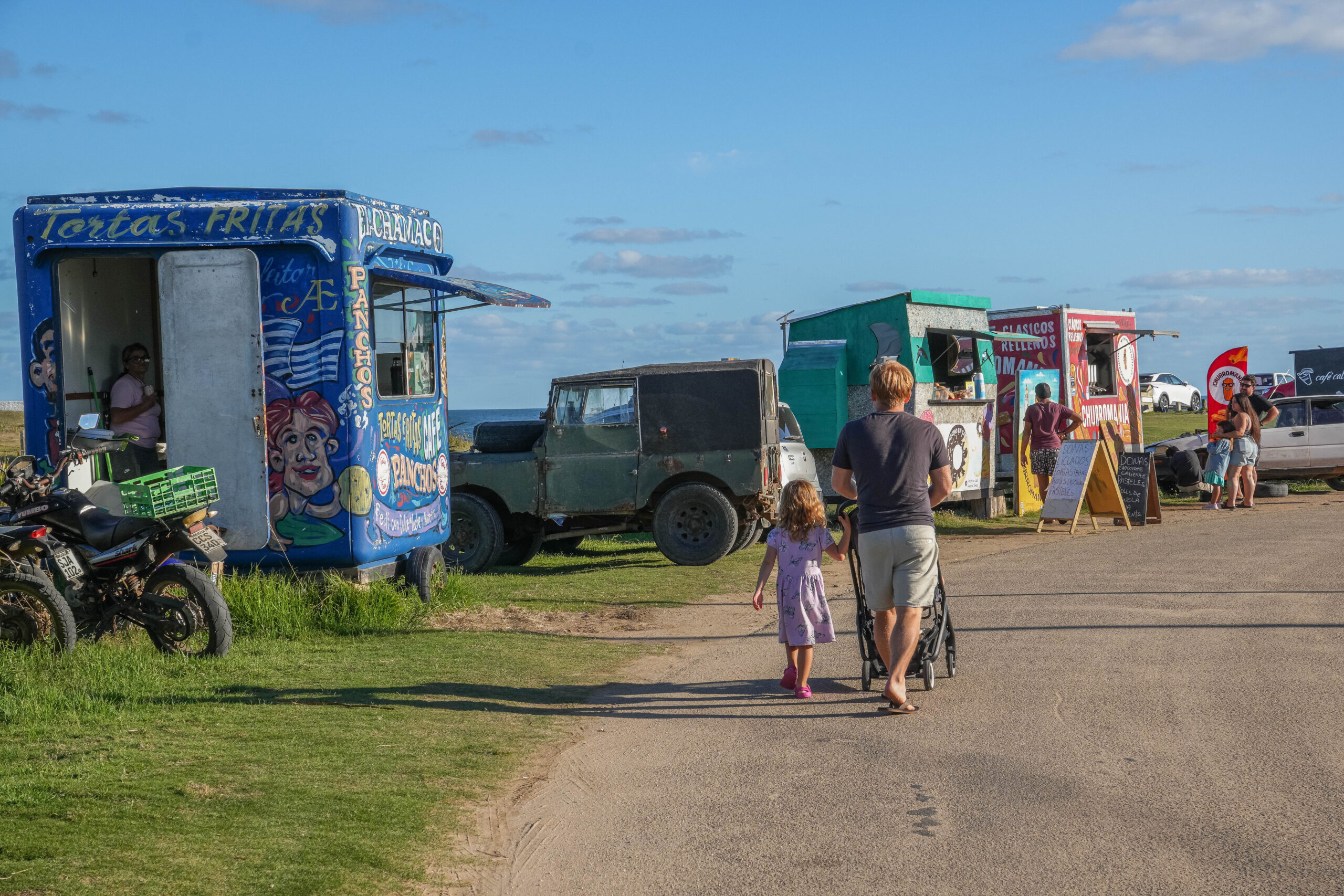
Really the best way I can sum up our time in and around La Paloma is with small random memories versus grand events. Mae and I went on a drive down a dirt road one afternoon following a lead on where to get the best fish and ended up with a huge bag of dorado and a jar of gummy worms. Another was when we got churros rellenos, aka churros overflowing with dulce de leche, and ate them on the huge “La Paloma” concrete letters at the city center, a common feature in the towns/cities across Uruguay. It was a great slow travel experience.
Estancia (Aiguá)
From our stay in La Paloma we ventured inland to spend three nights at an estancia, aka ranch, in the interior of Uruguay. In some ways, this is similar to a dude ranch in the USA, but more intimate and with the obvious South American spin. I spent a good amount of time finding one that better fit our younger kids and eventually found the perfect place: Estancia Martin Pescador.
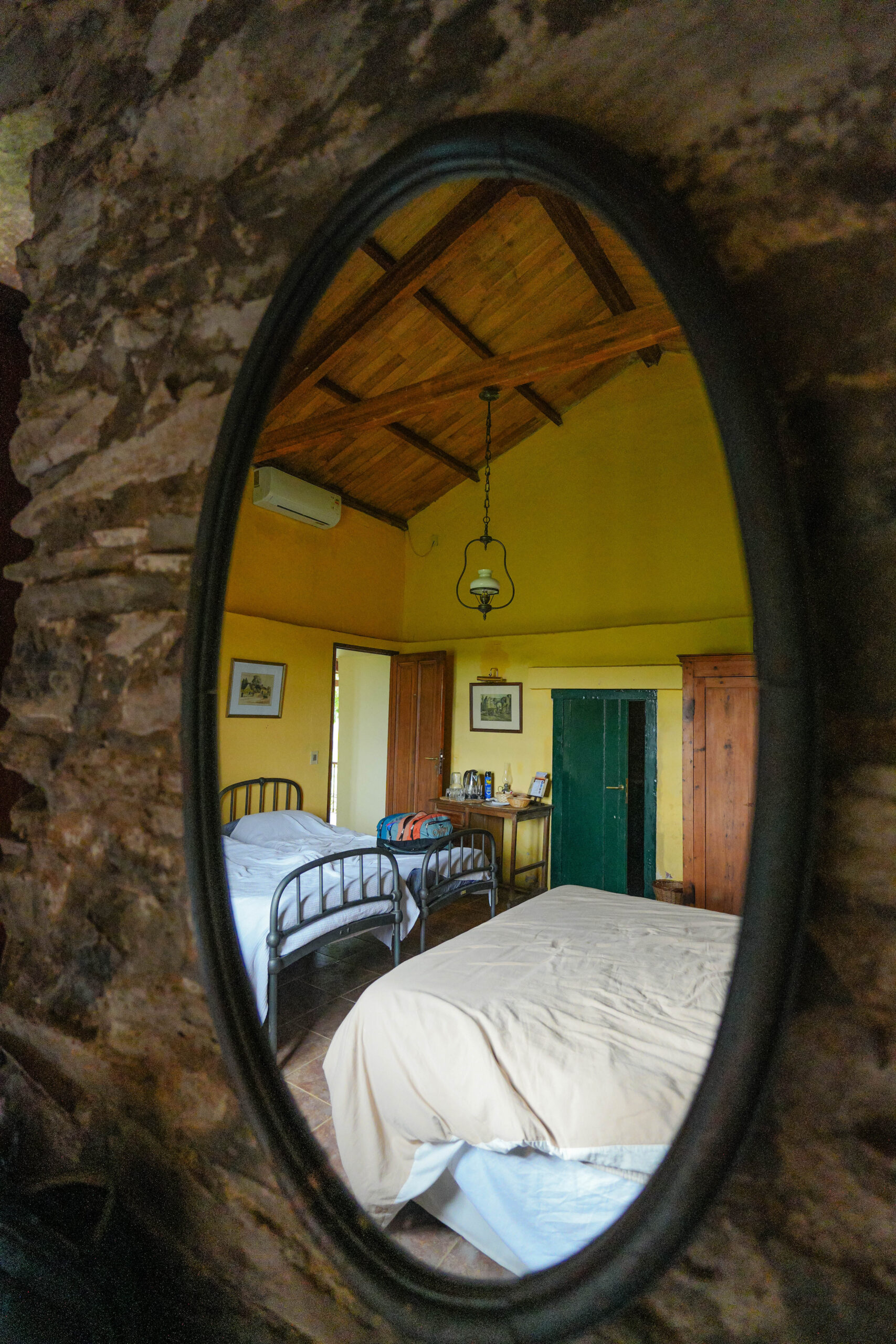
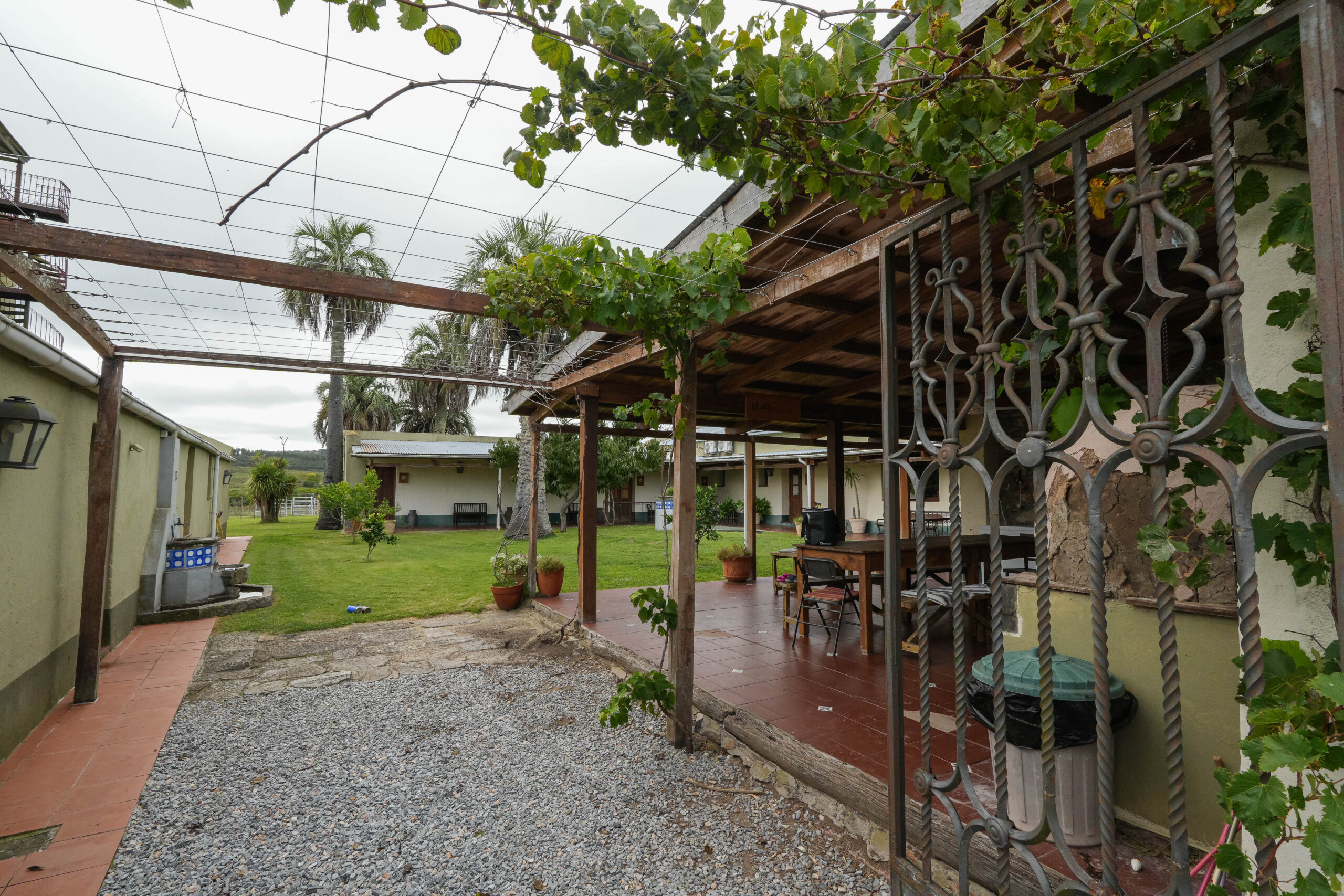
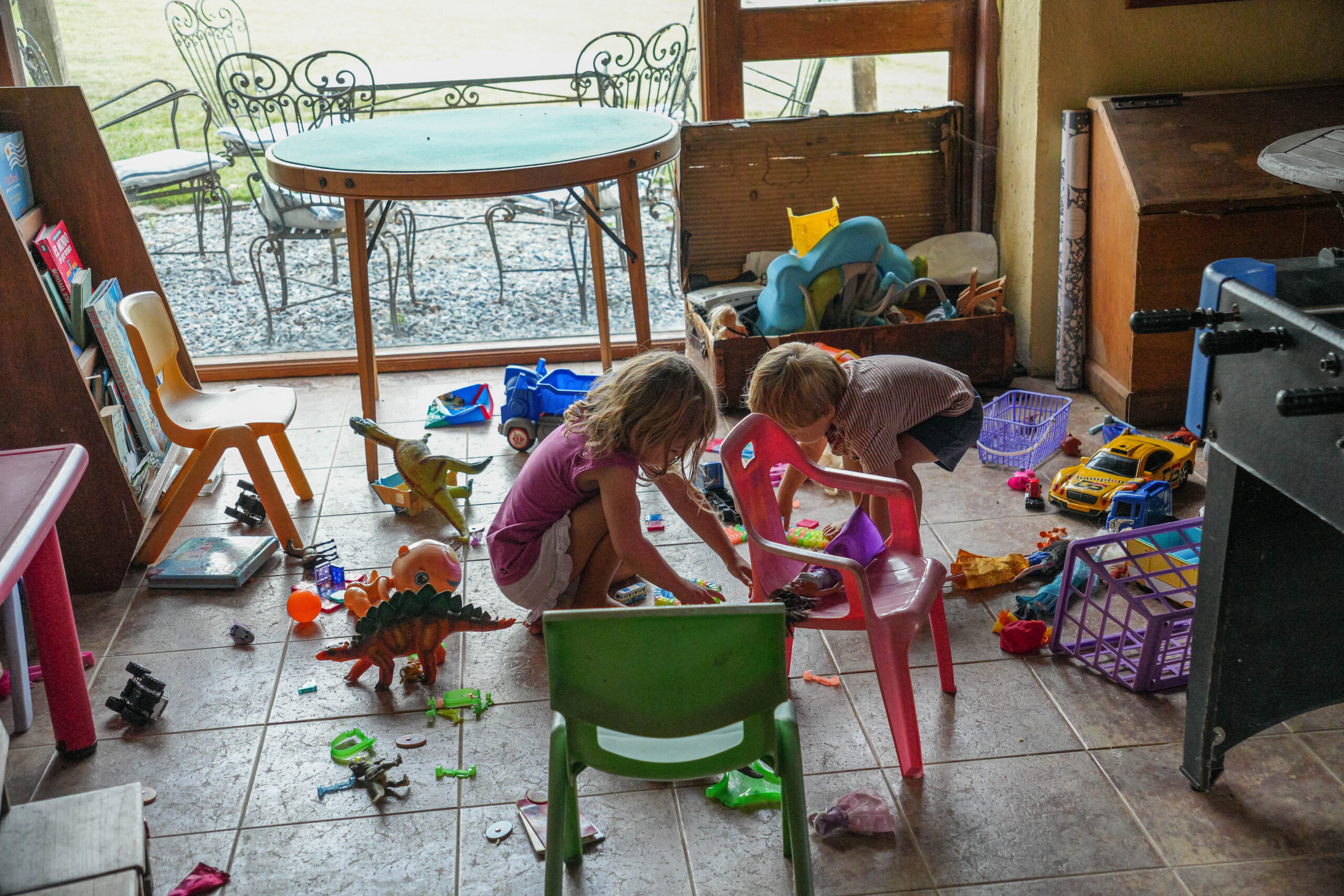
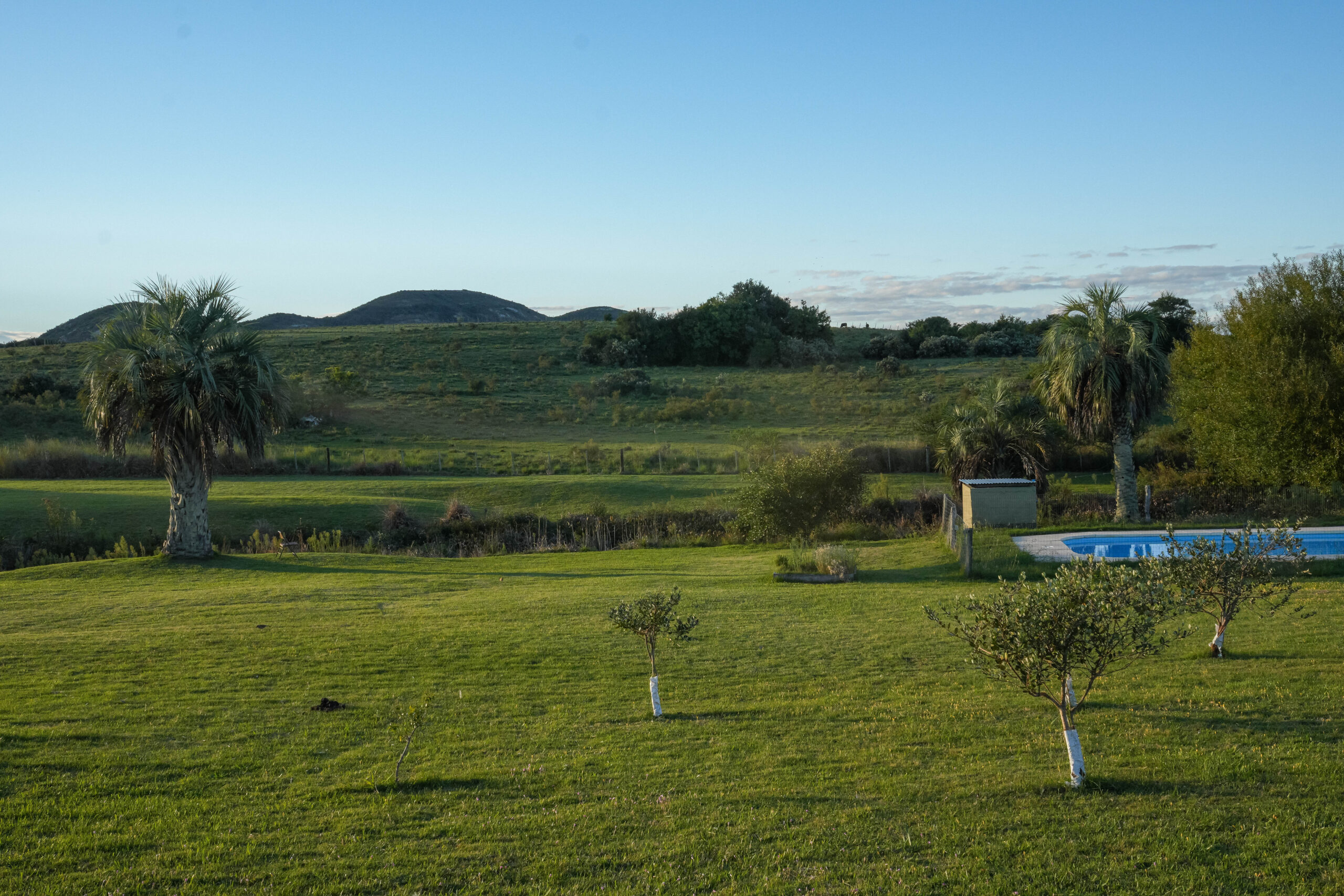
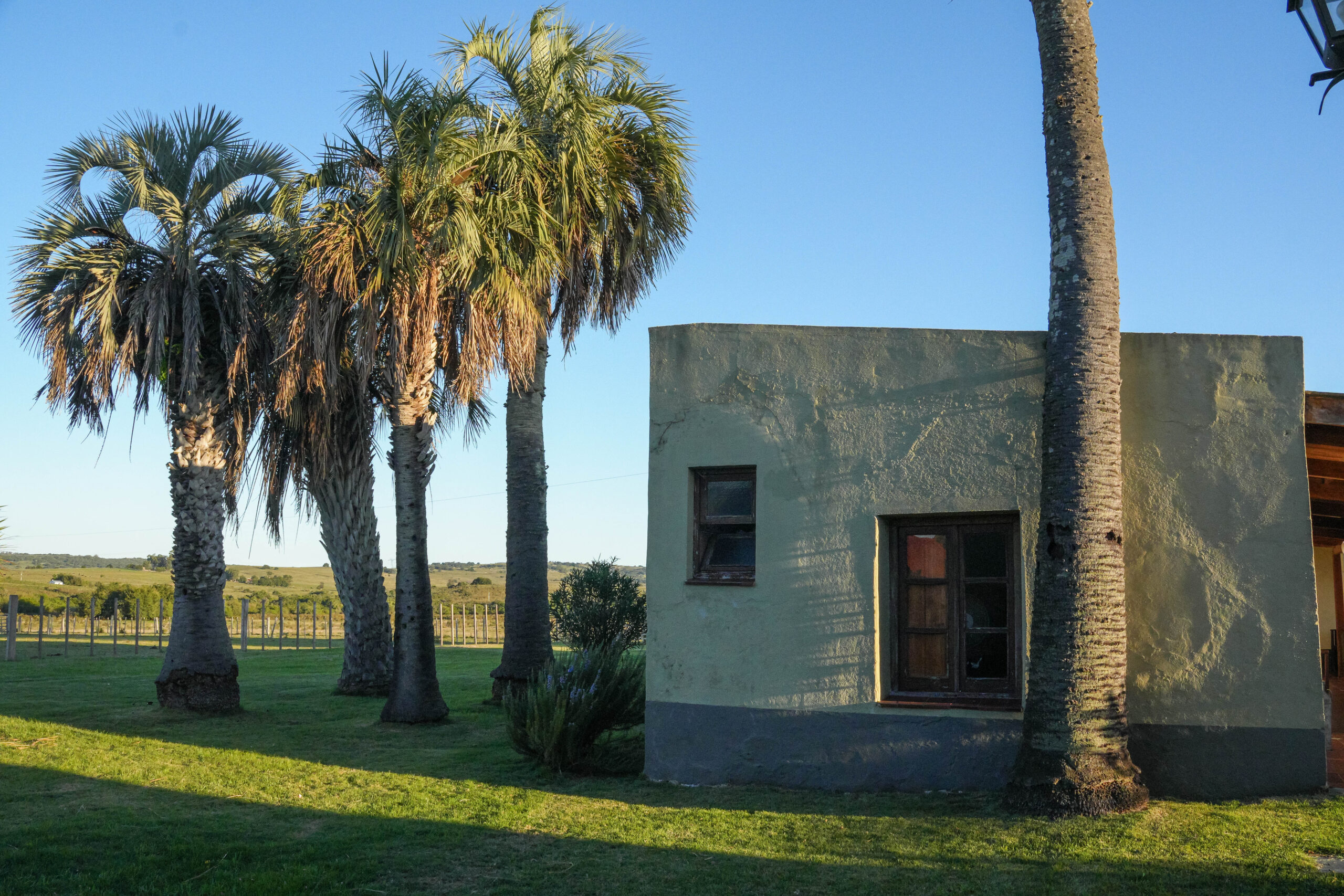
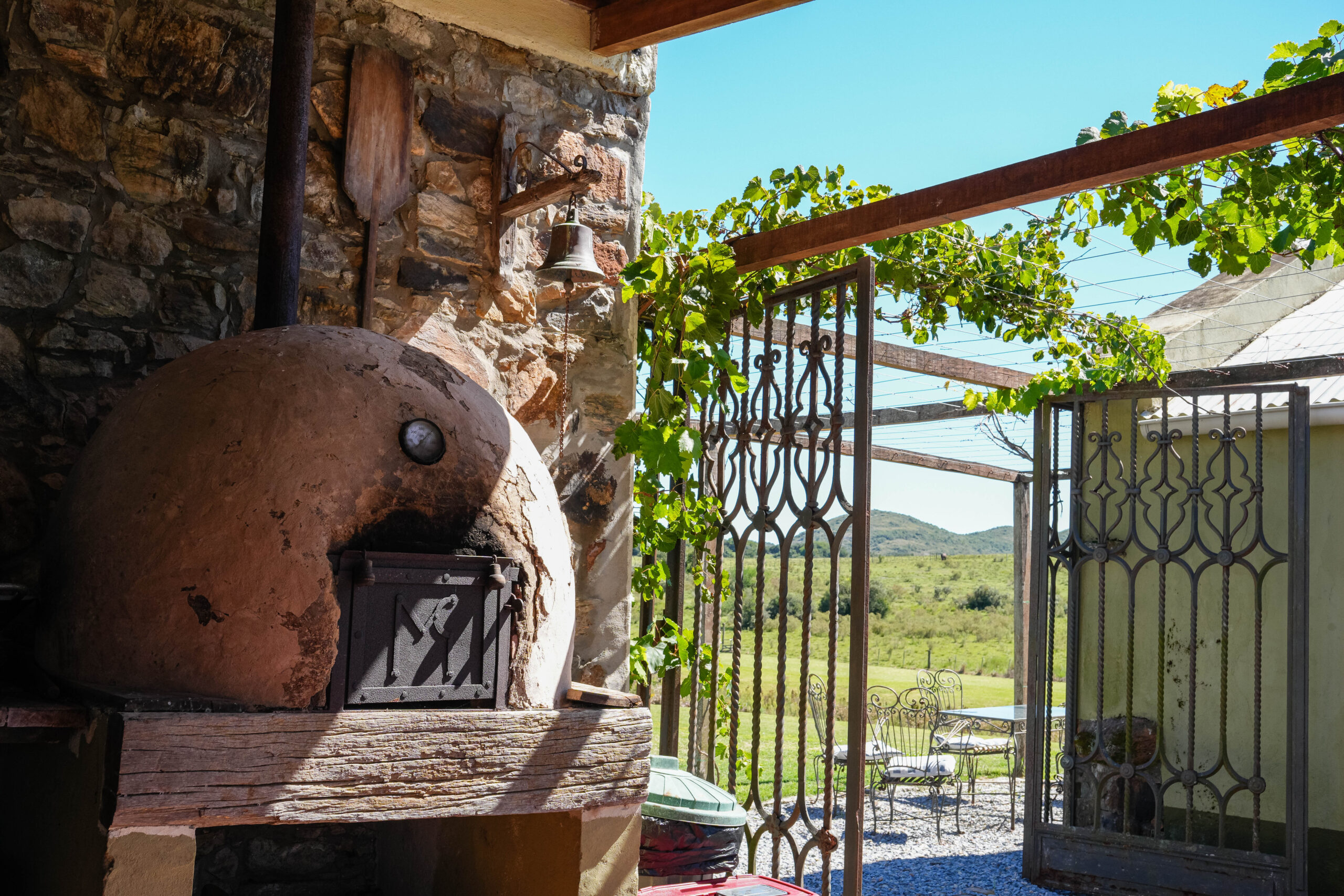
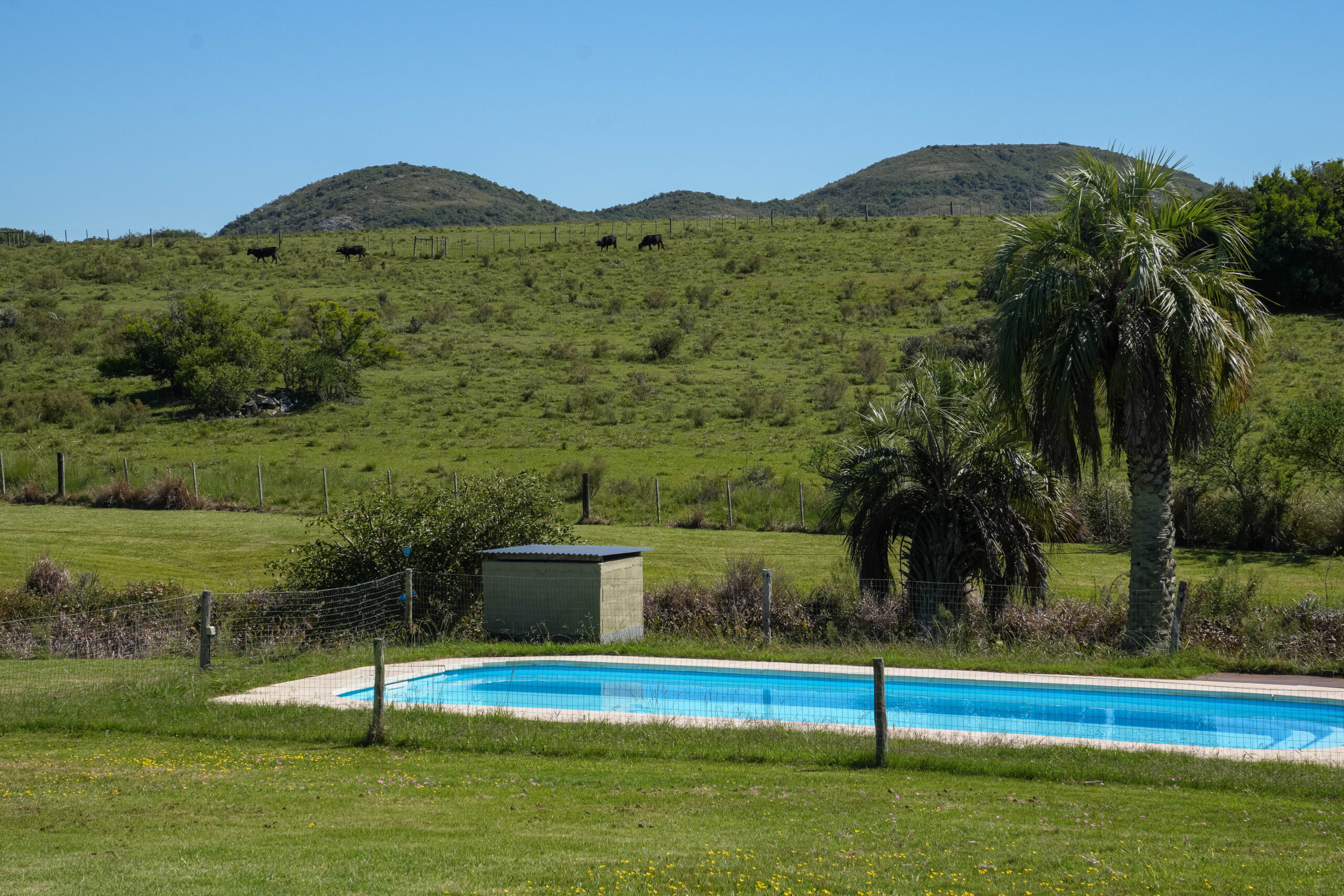
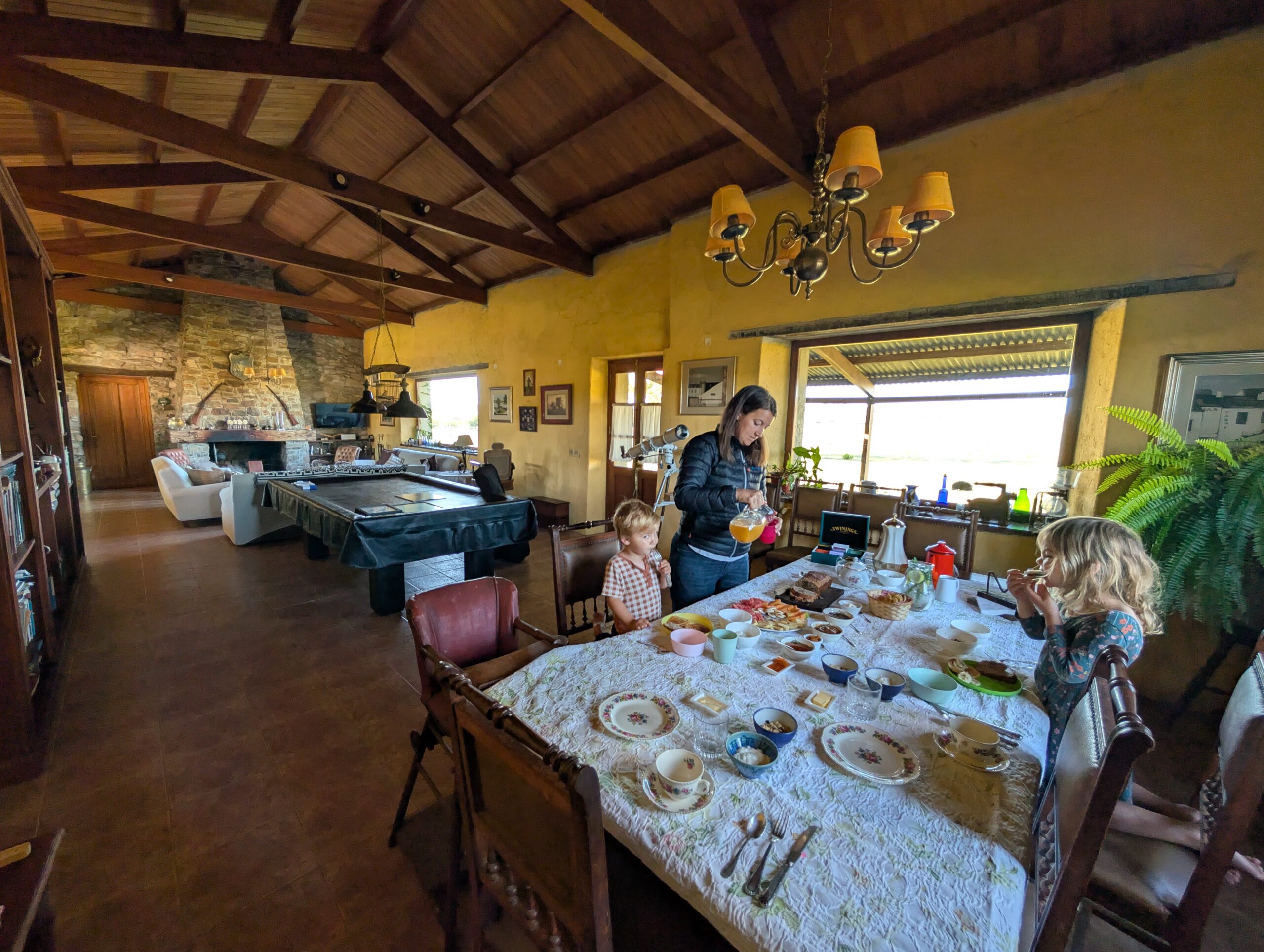
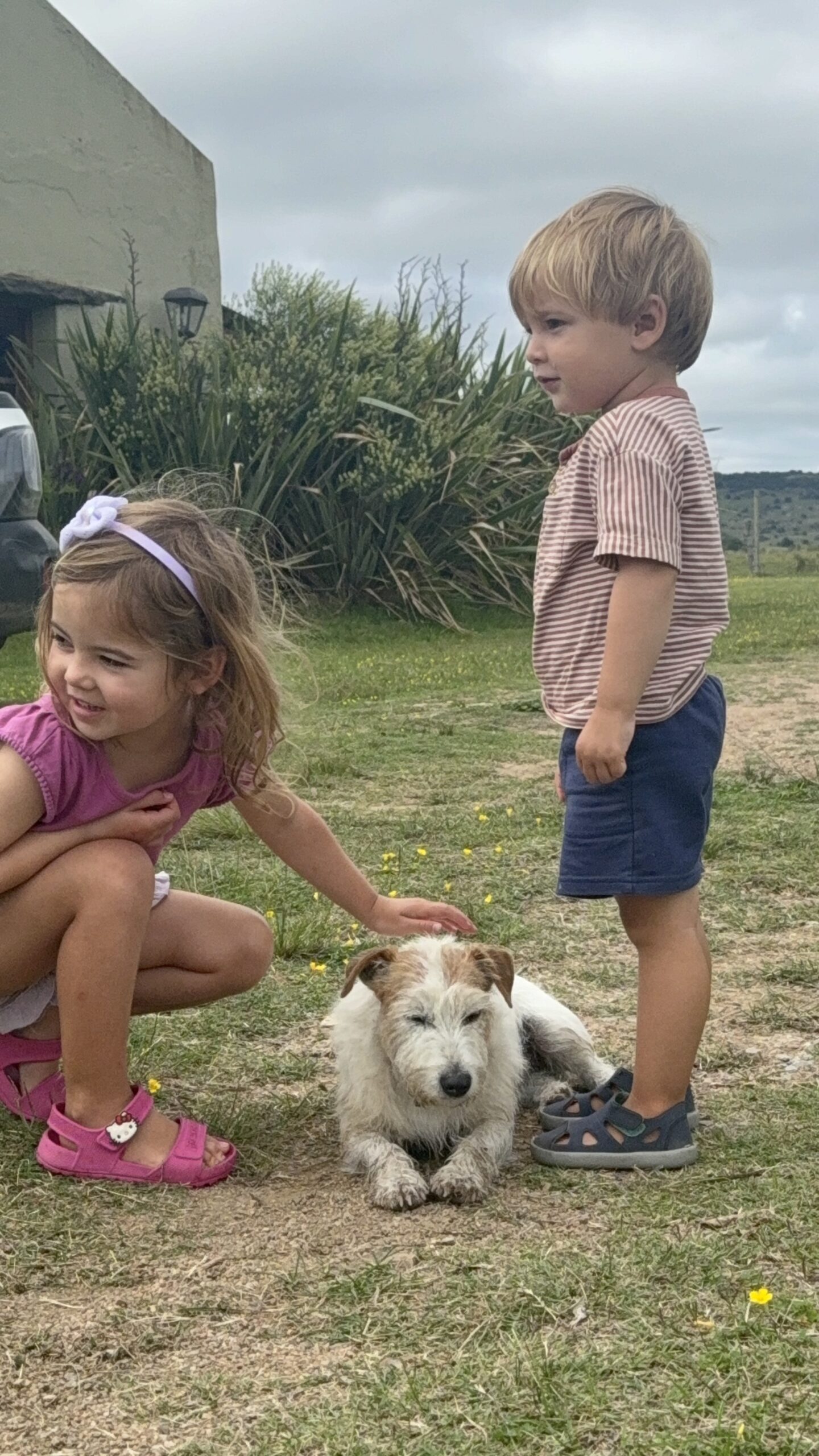
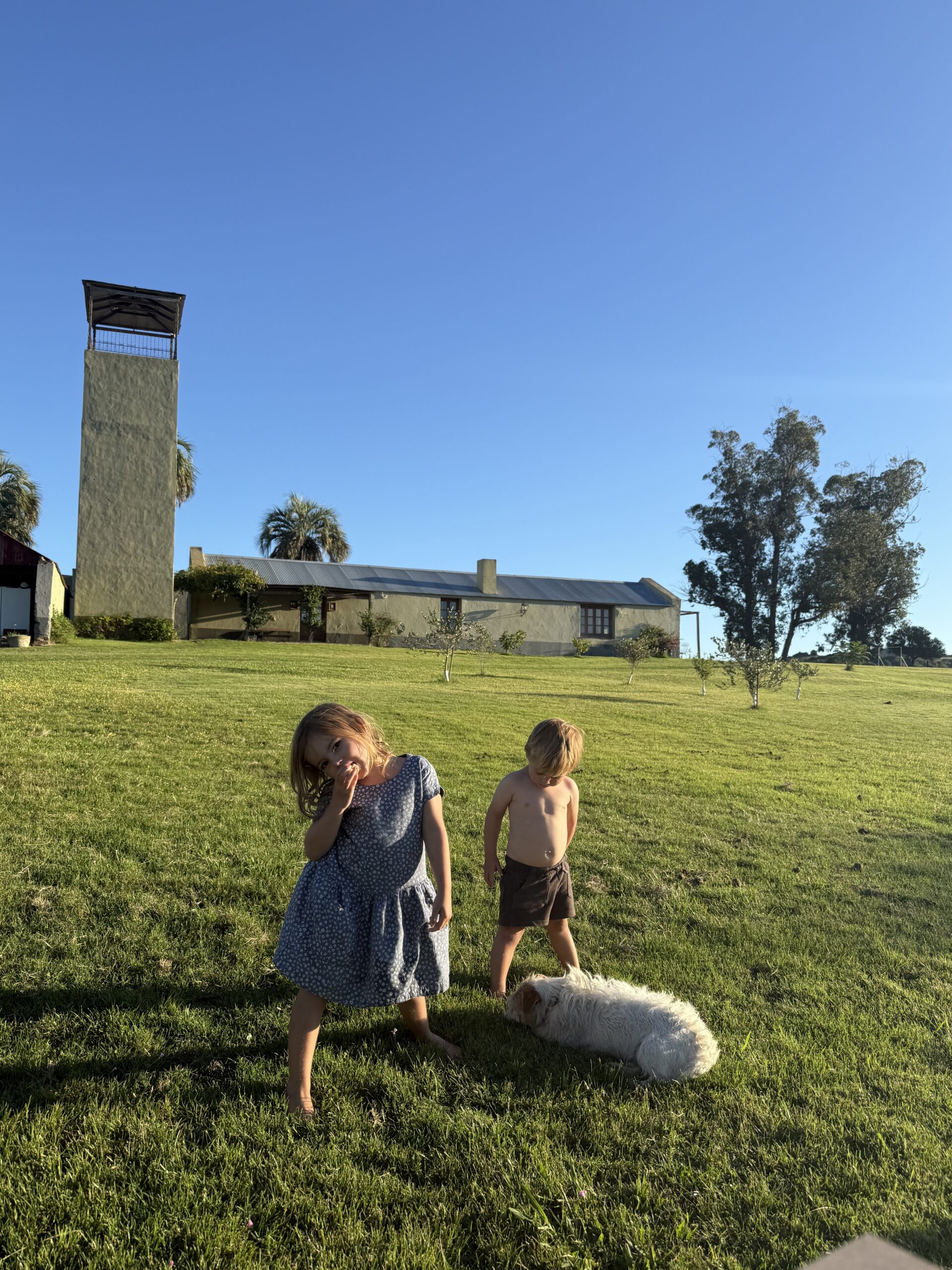
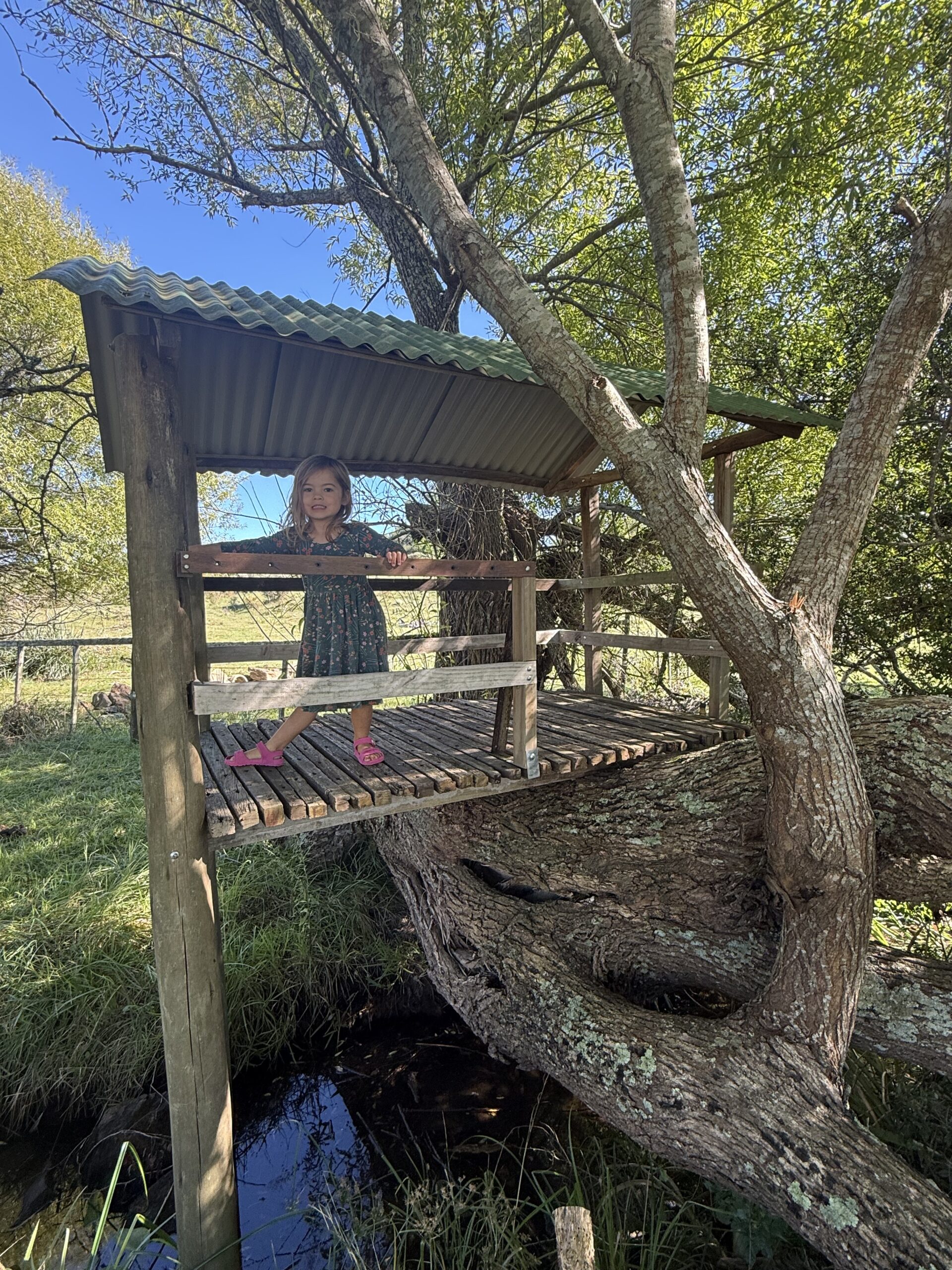
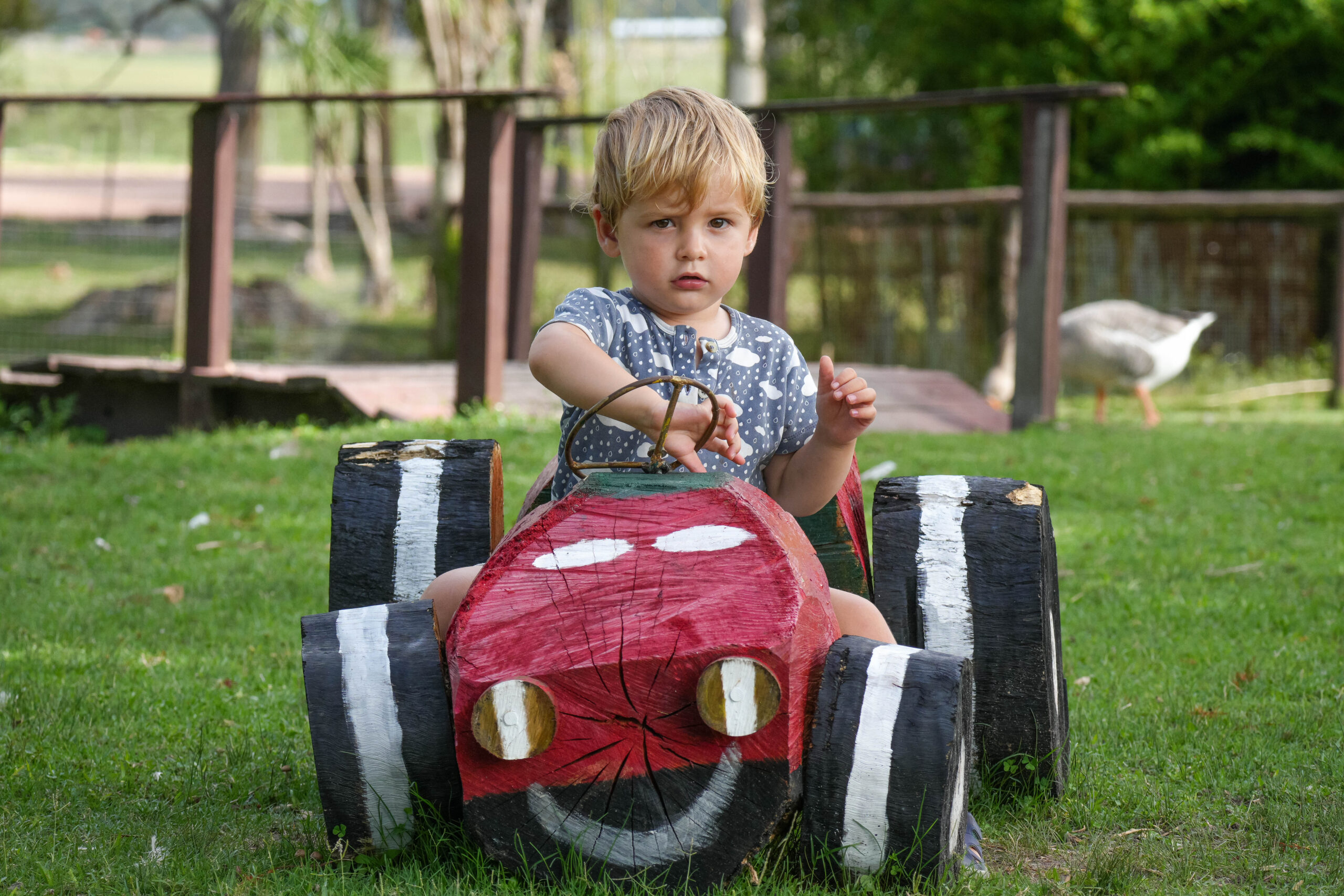
From the moment we arrived Teresa and Gustavo, the owners and hosts of the estancia welcomed our family with open arms. The kids were overjoyed to find a room full of toys for grandkids allowing the parents to relax on the patio, soaking in the tranquil surroundings of the secluded oasis. The compound had barns full of old cars, a fantastic pool area and treehouse over a creek that we all laid in. It was remote and incredibly quiet from city noise.
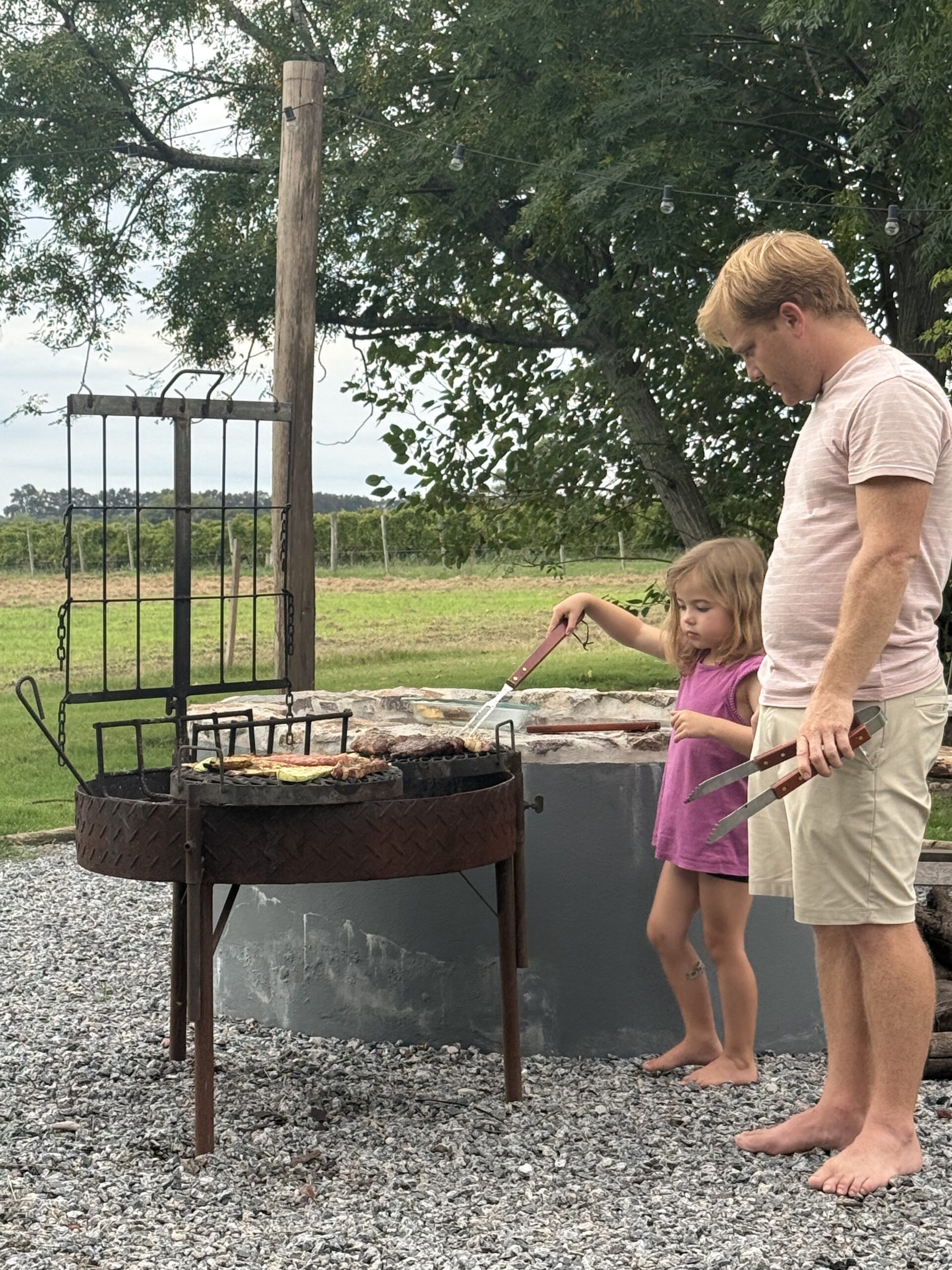
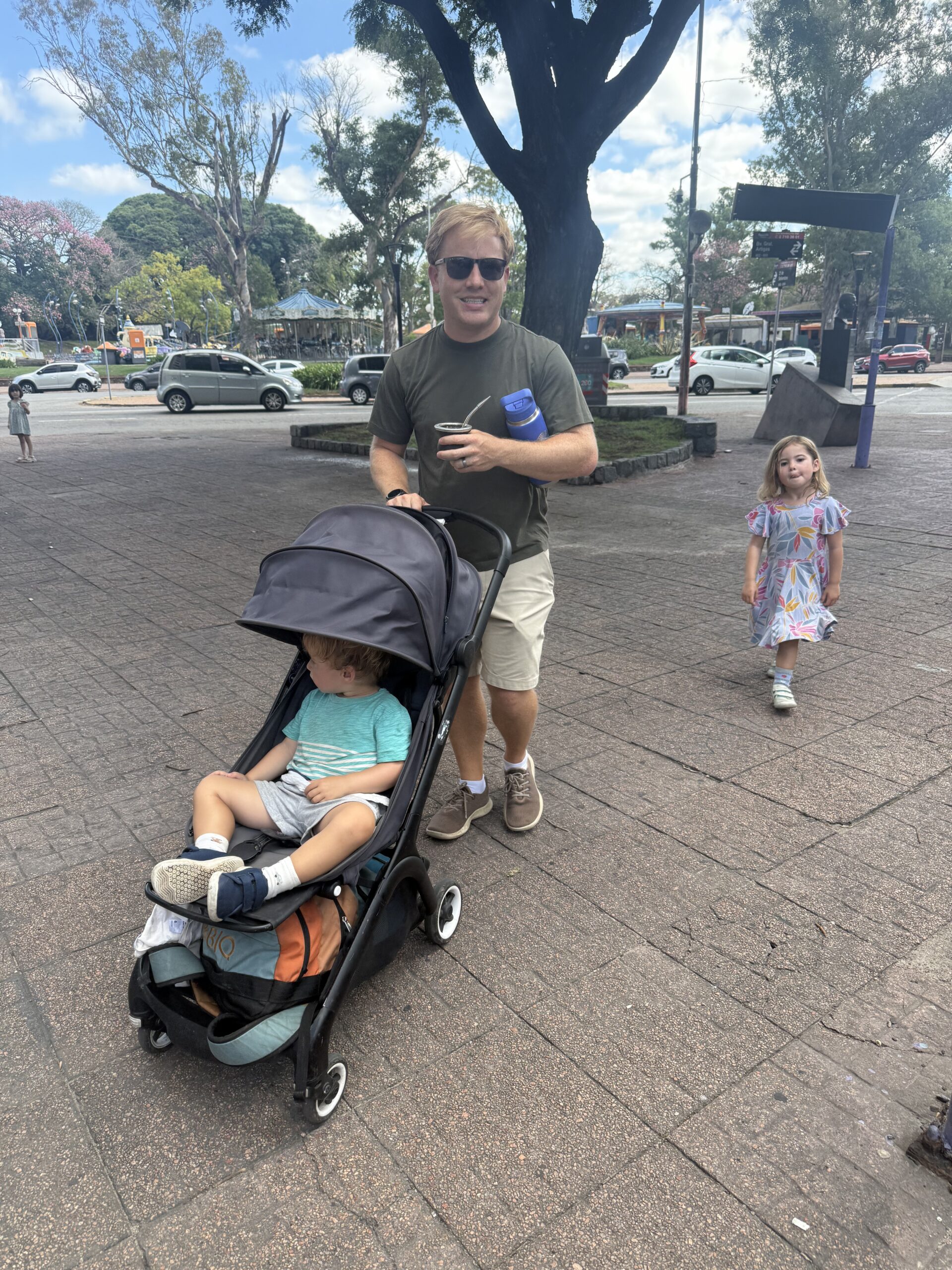
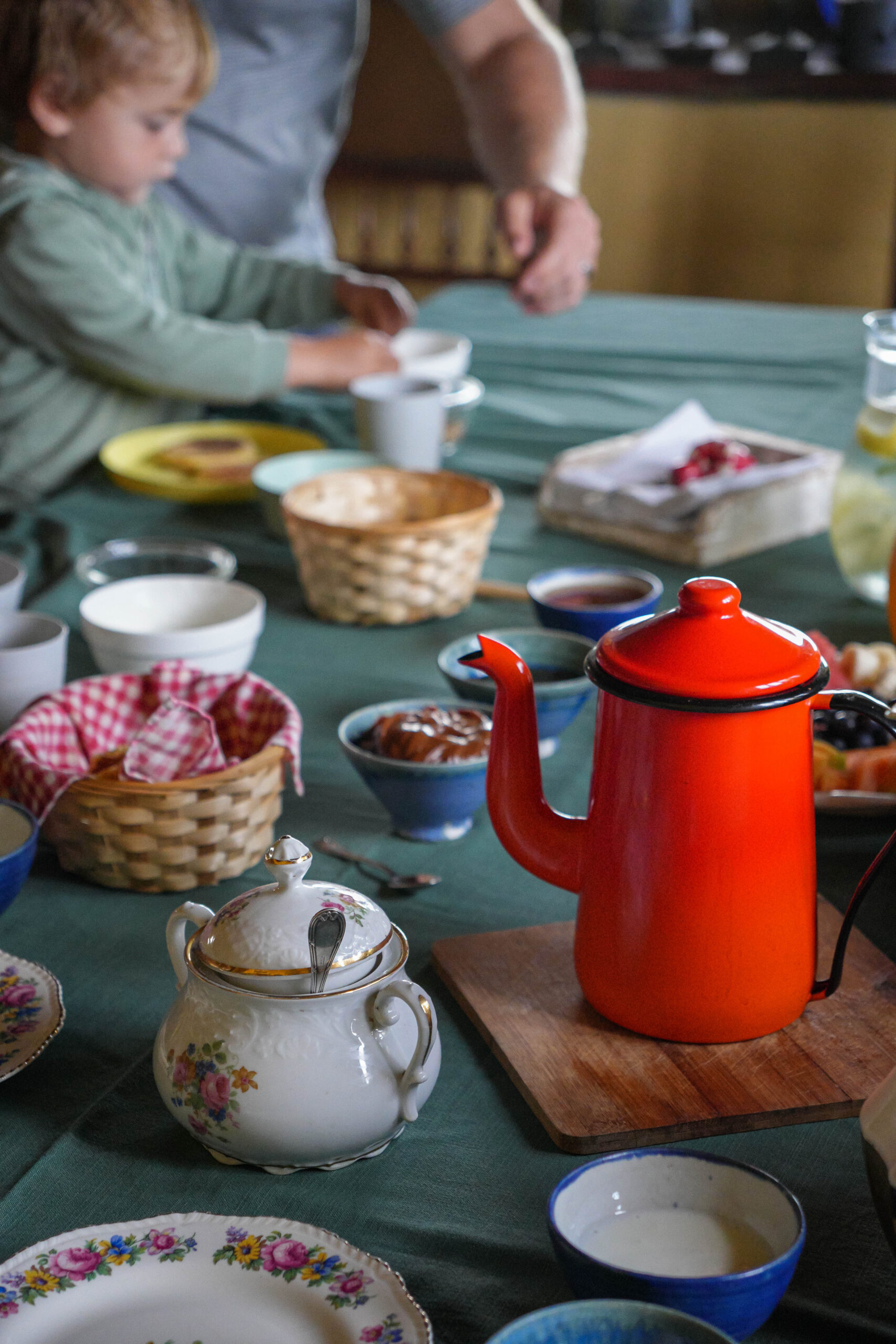
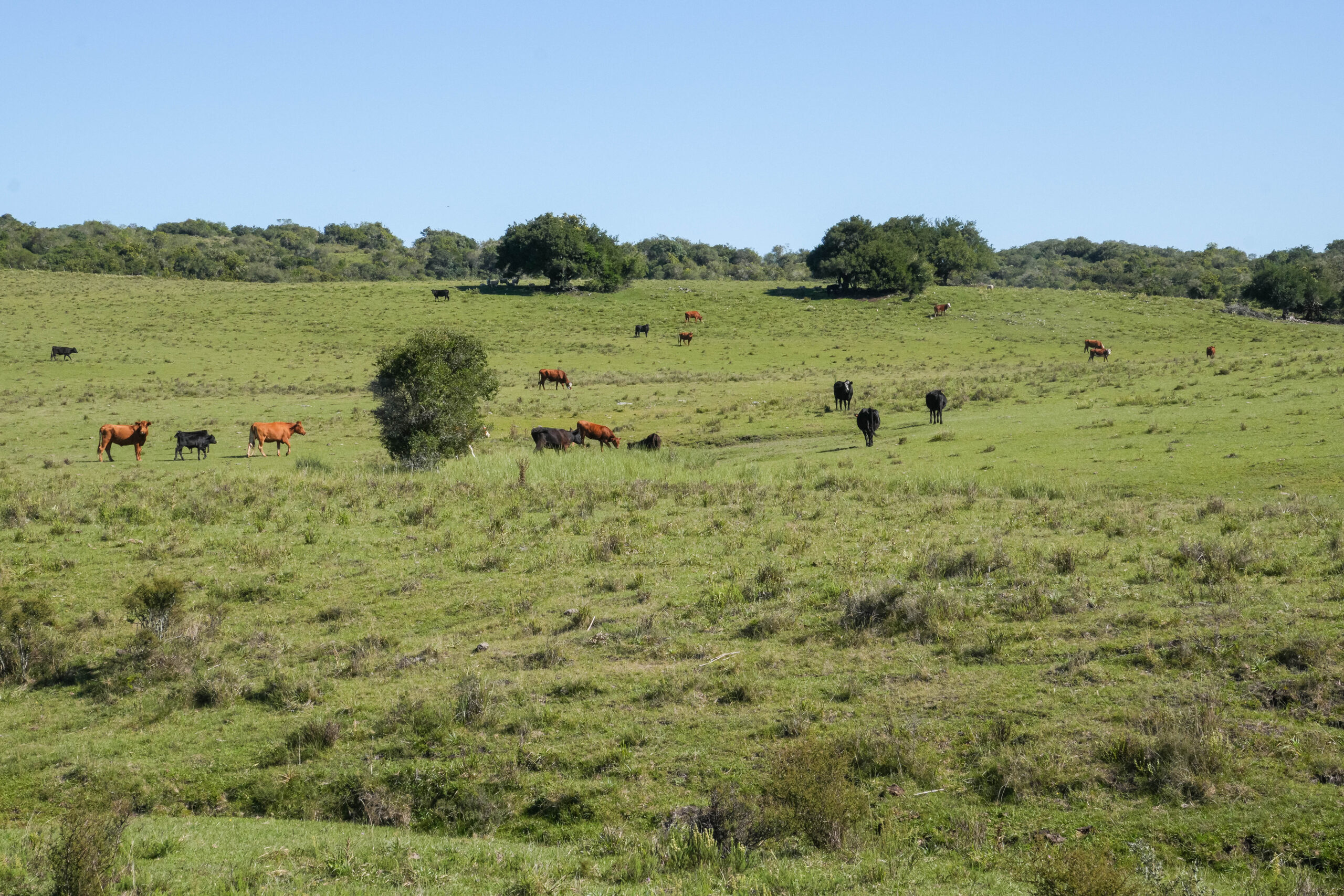
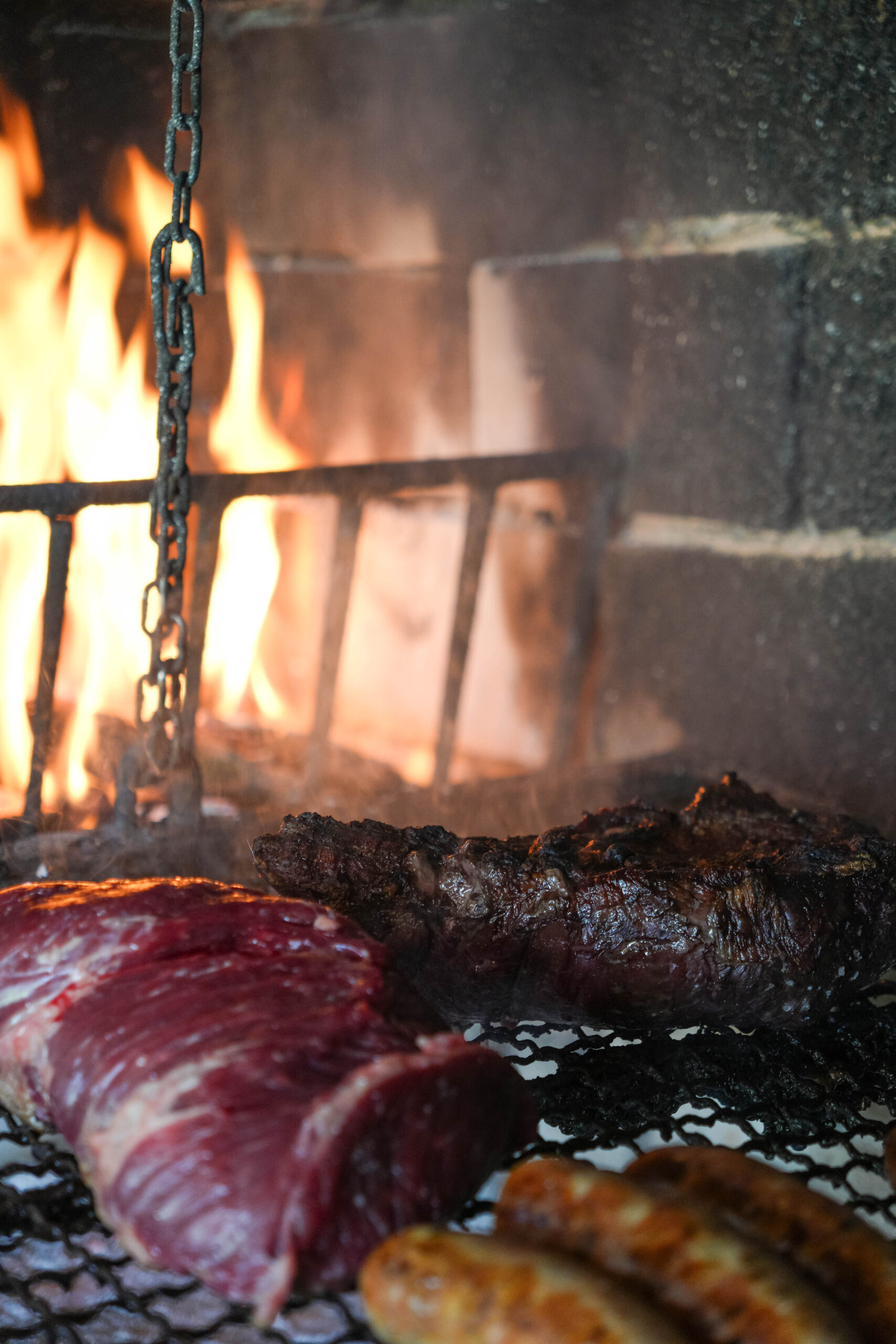
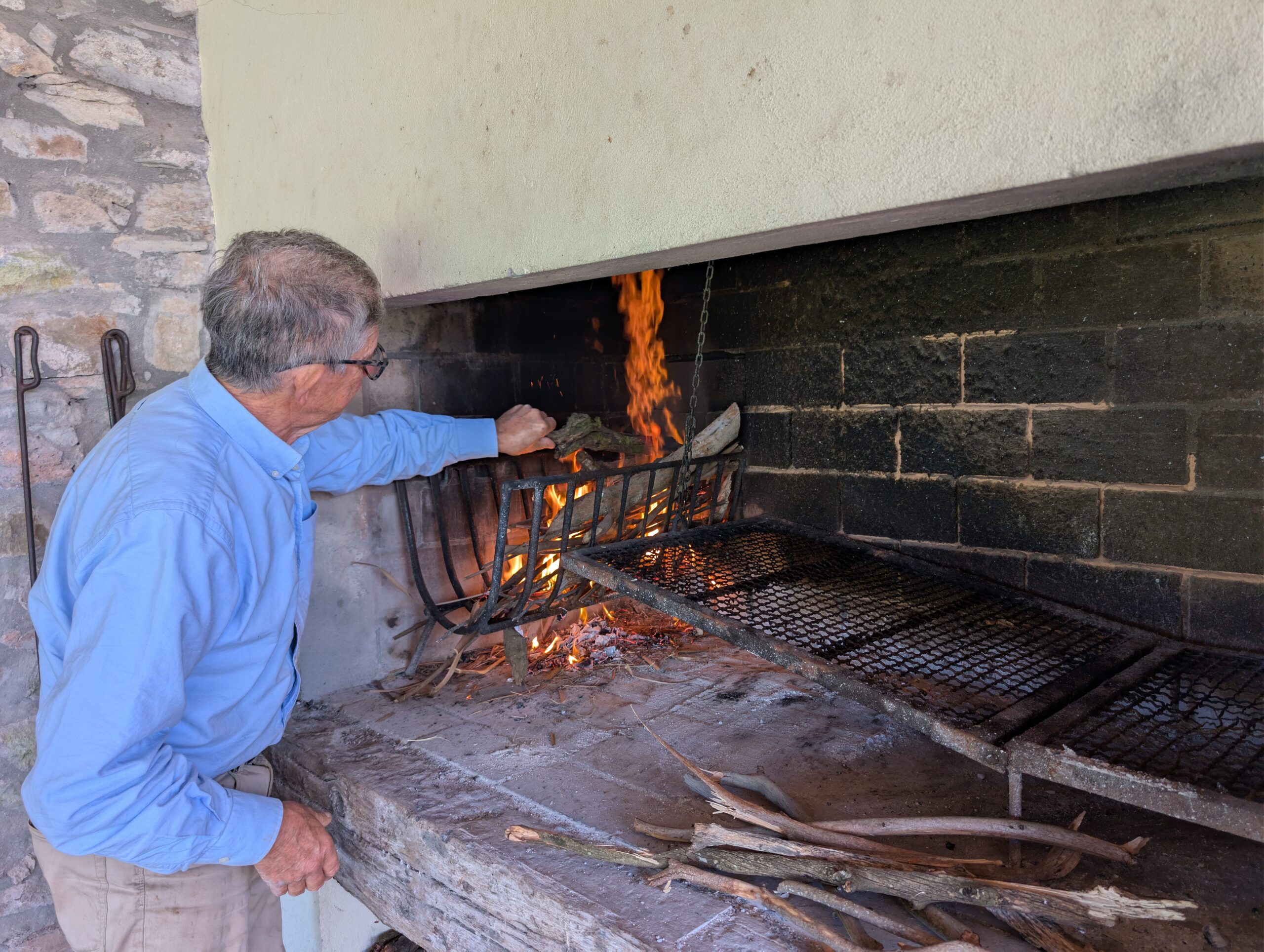
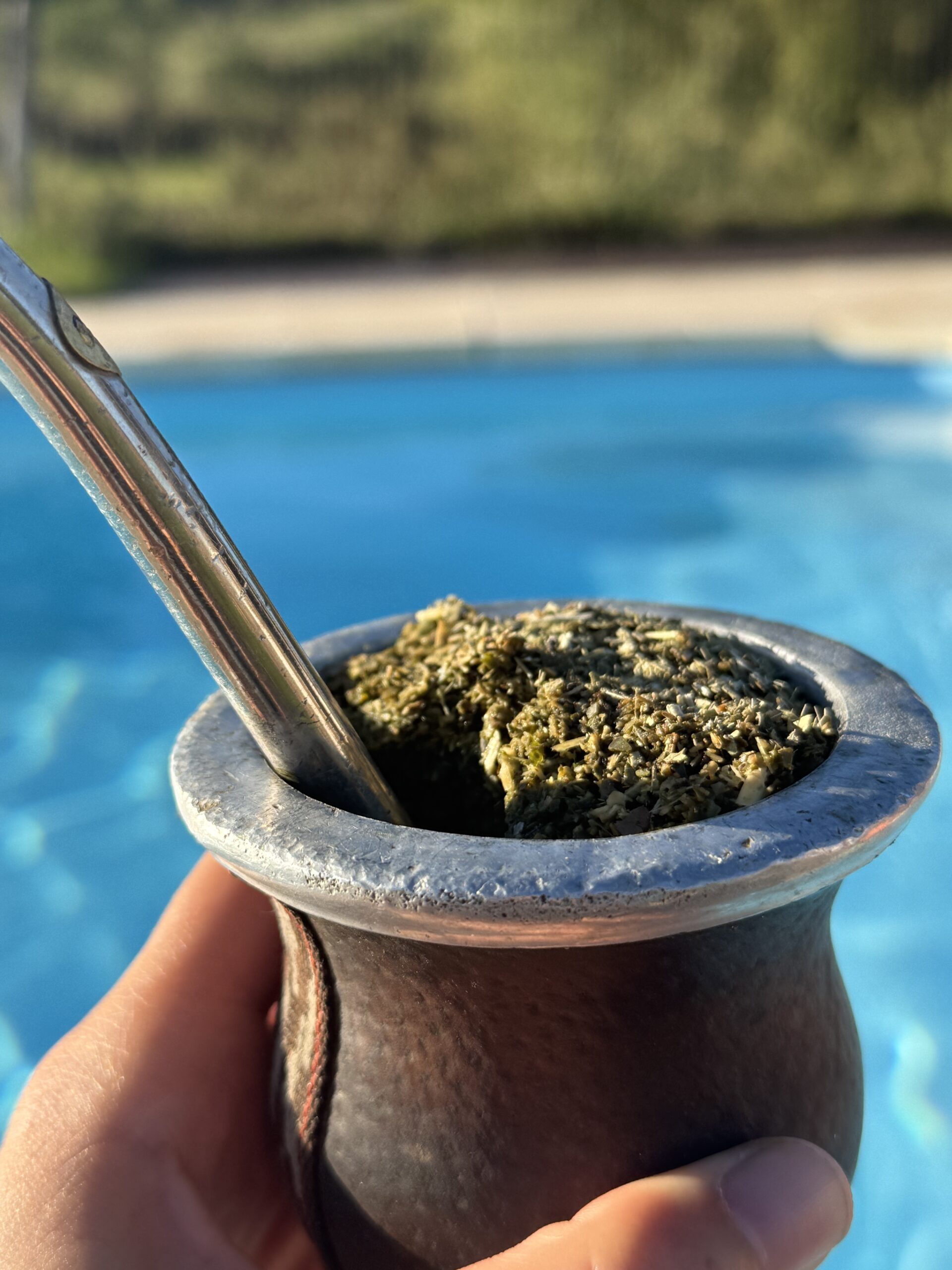
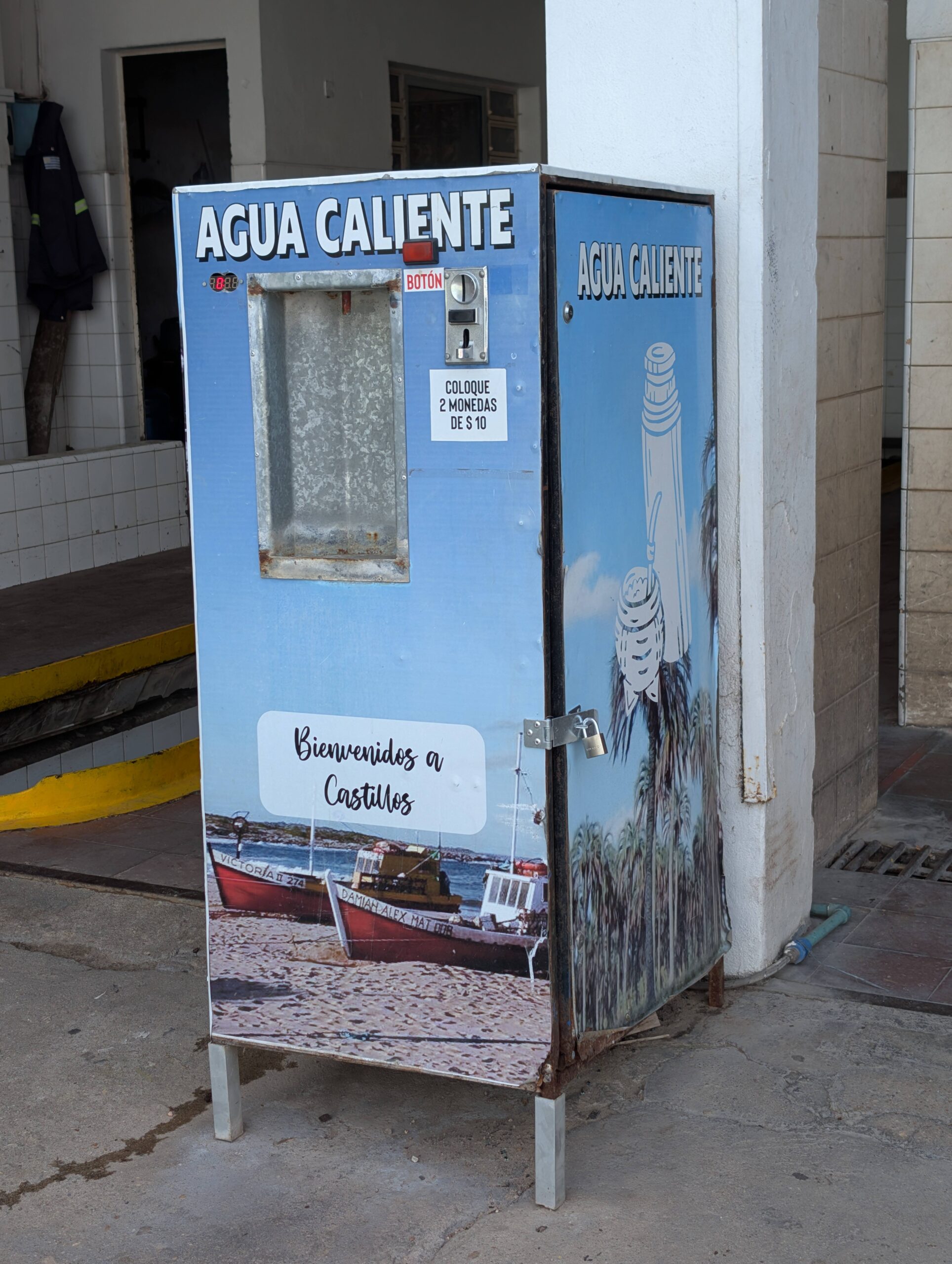
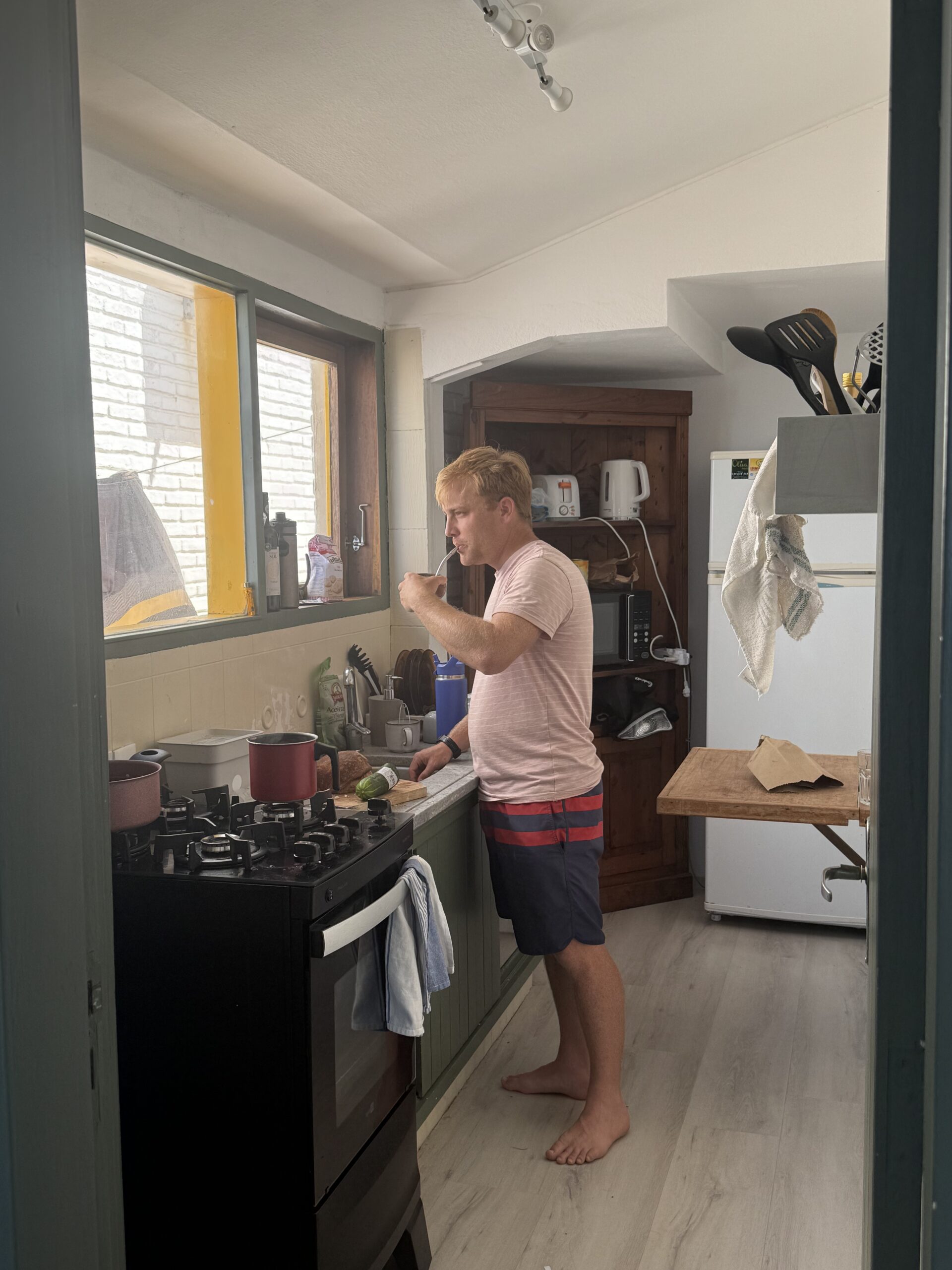
The real joy, though, was spending time with the hosts, listening to their life stories and the history of the estancia they call home. Gustavo taught me the secrets of a food parilla, from creating a bed of coals to how to tell when the flank steaks from their own cattle were ready to eat. Teresa showed us the proper way to prepare and drink Yerba mate (pronounced “mateh”), sharing the cultural significance of the herbal beverage. Uruguayans in particular are so hooked on mate that they’ve become adept at doing everything one handed, the other busy holding the gourd and hot water thermos in the crook of their arm. At the beach, at the park, everyone (and we mean EVERYONE) was passing mate back and forth with family and friends. We even saw an old lady grocery shopping with her mate.
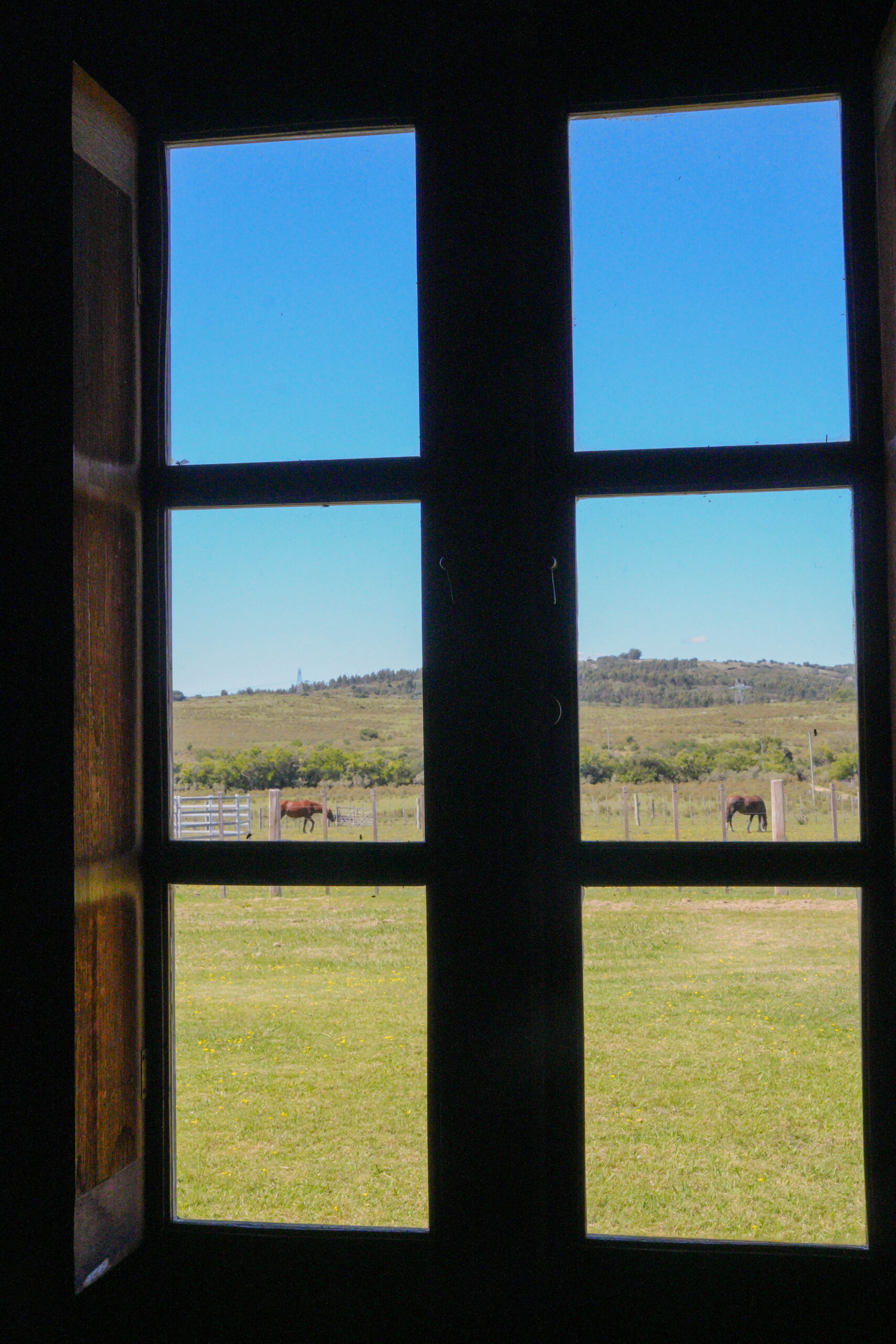
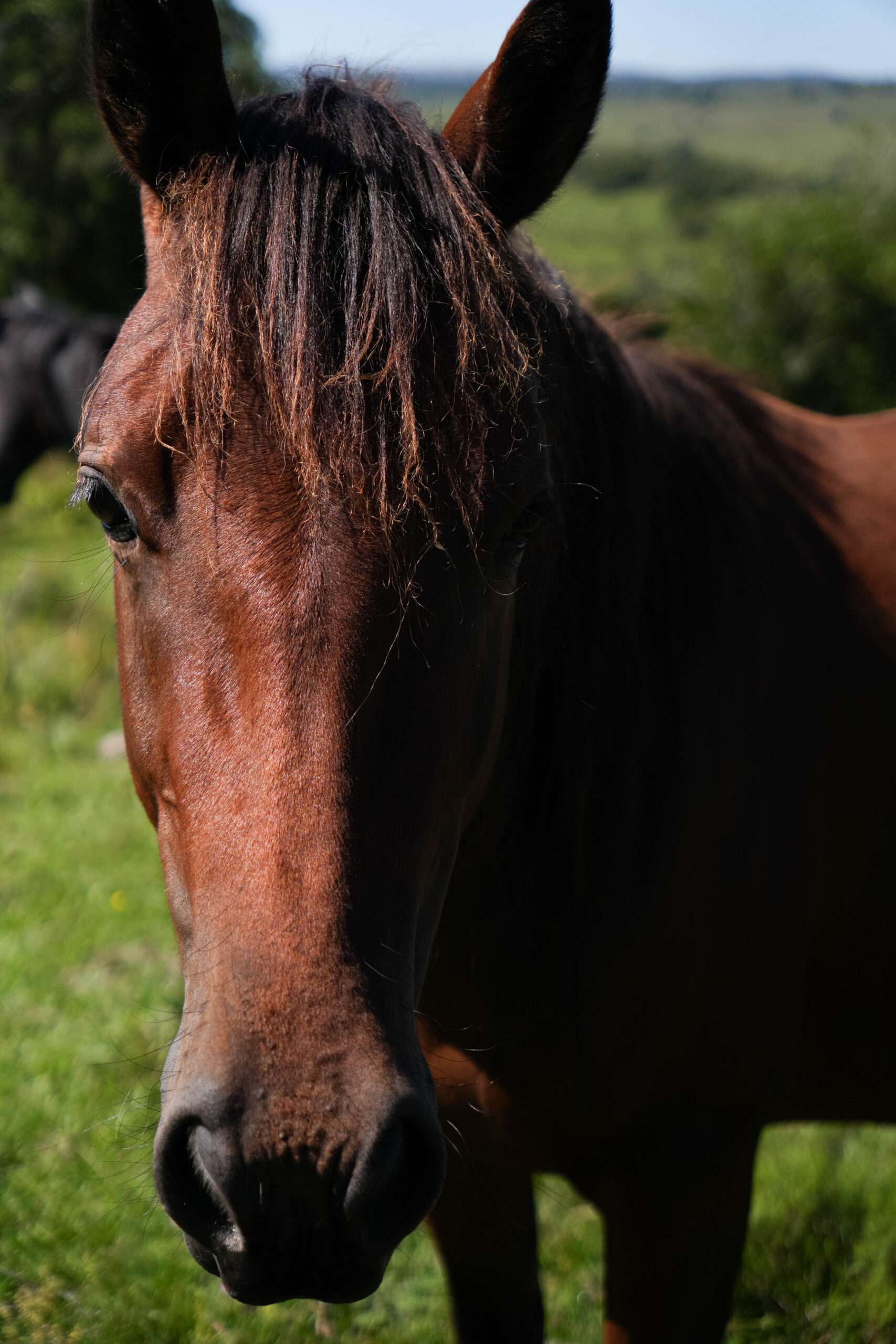
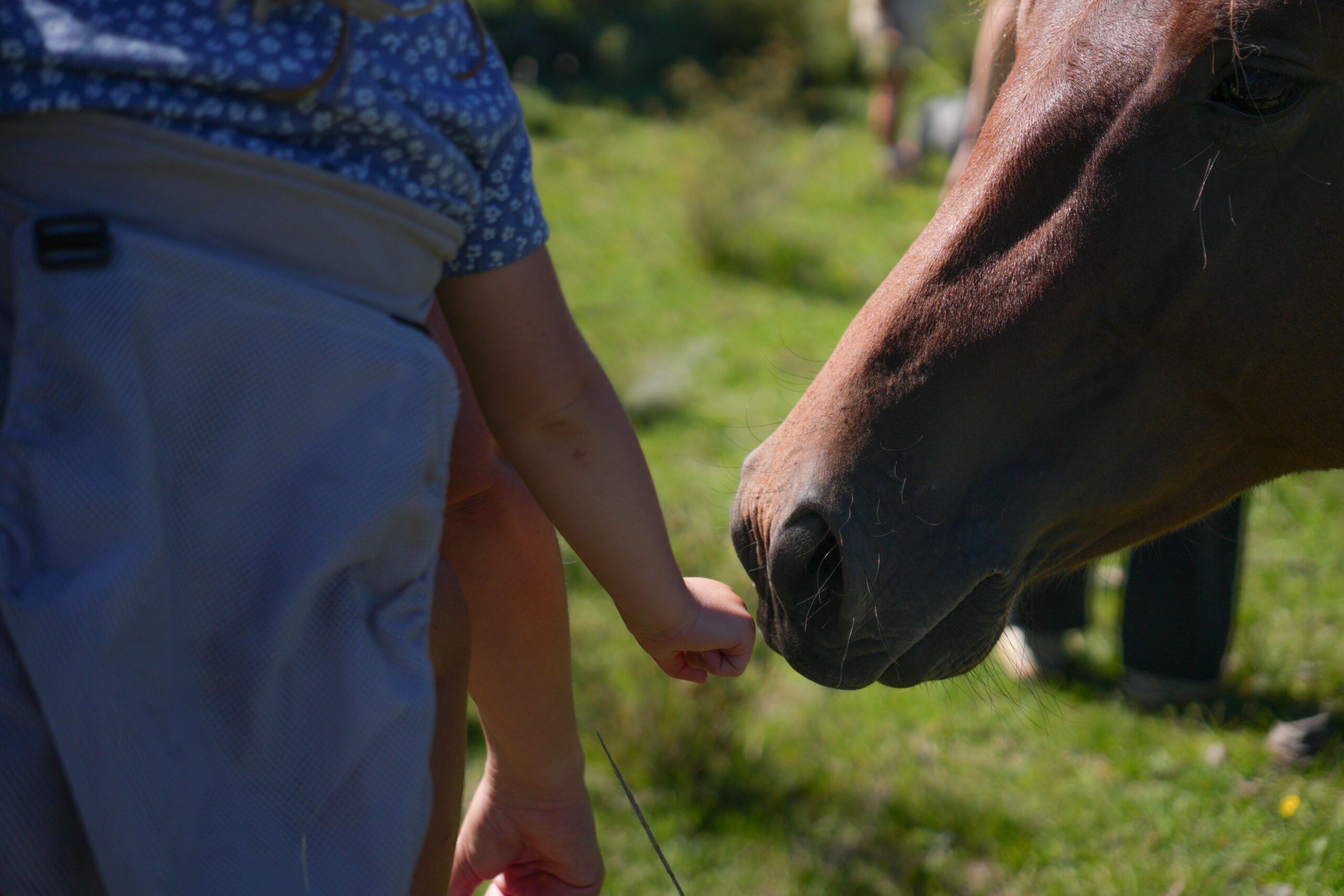
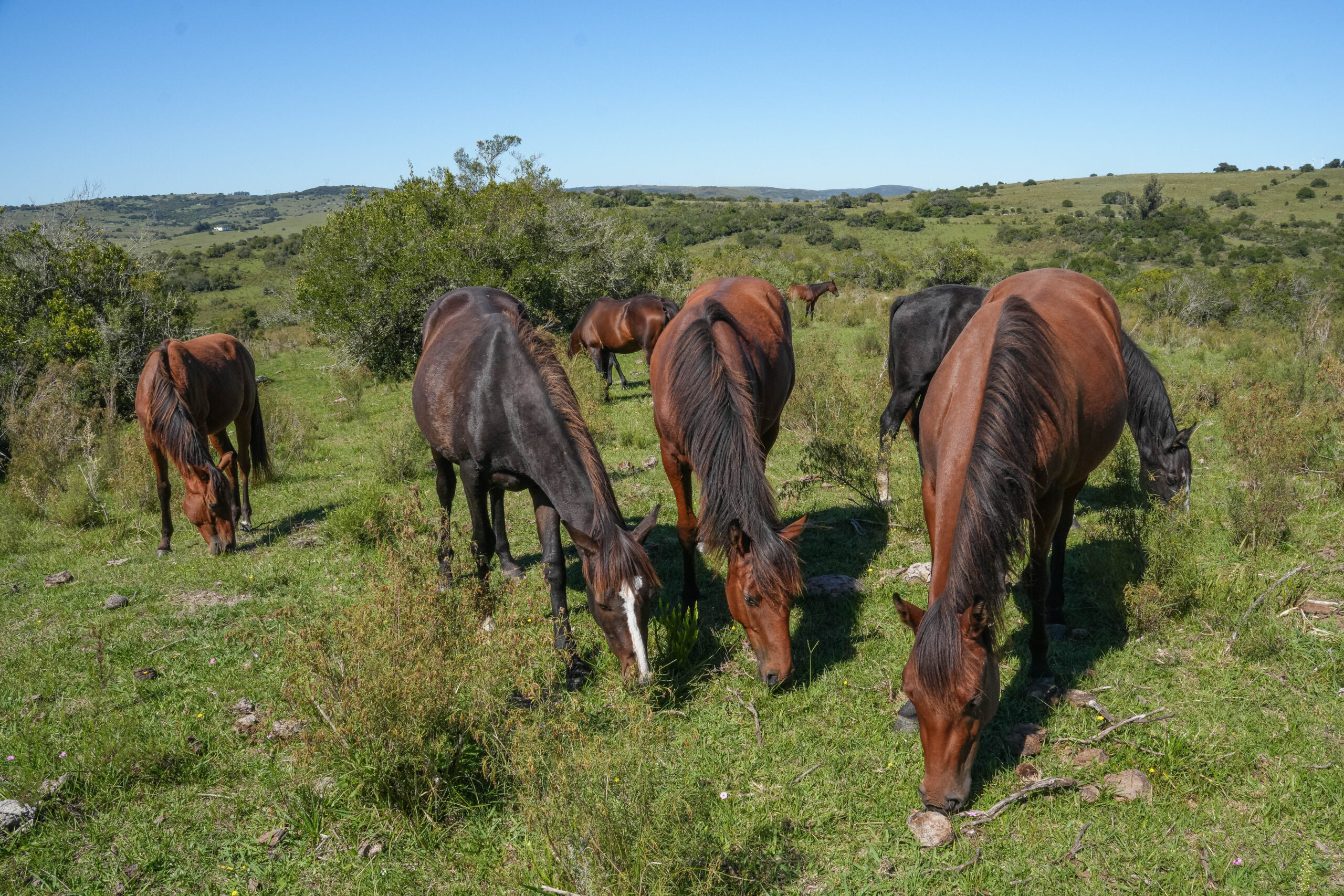
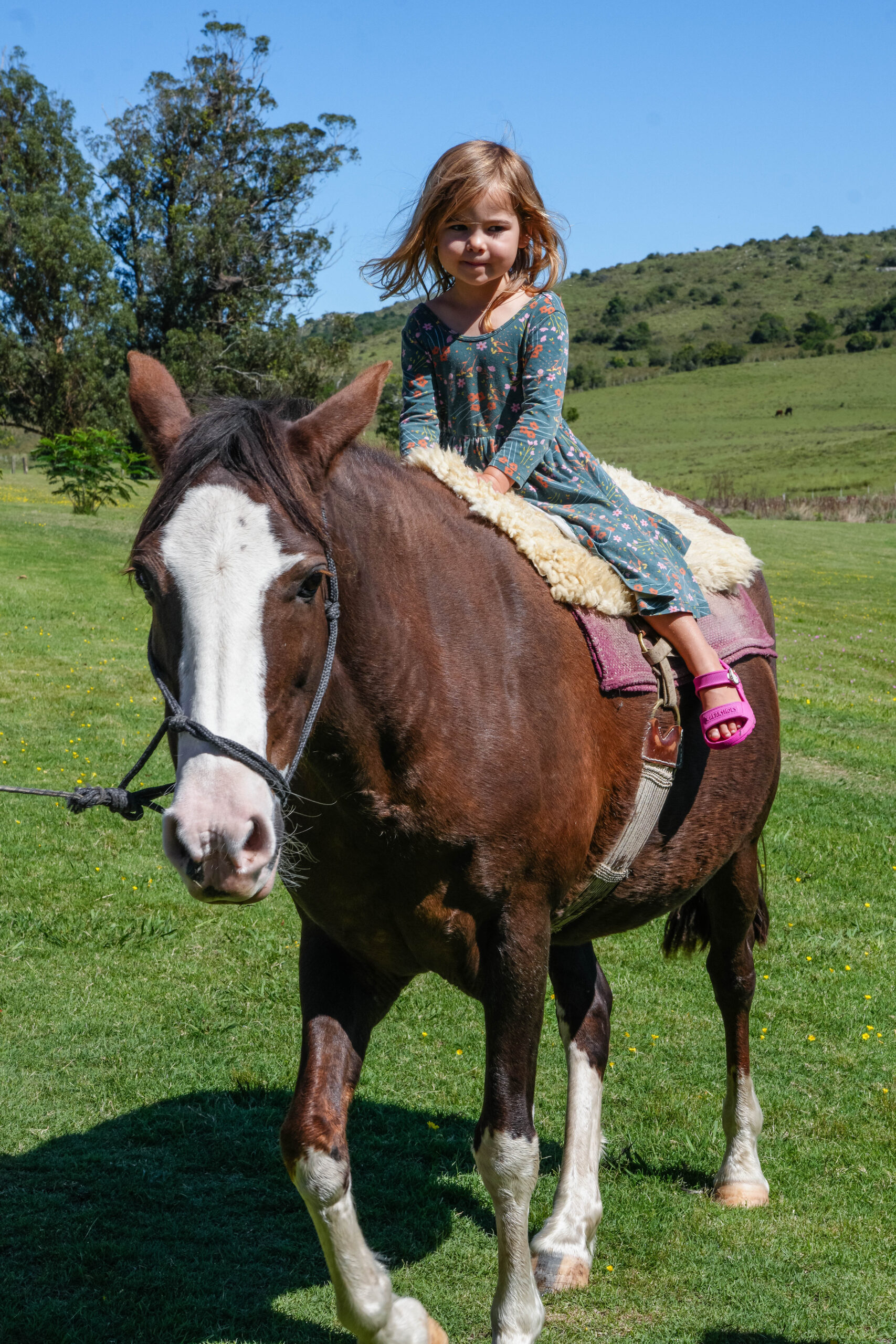
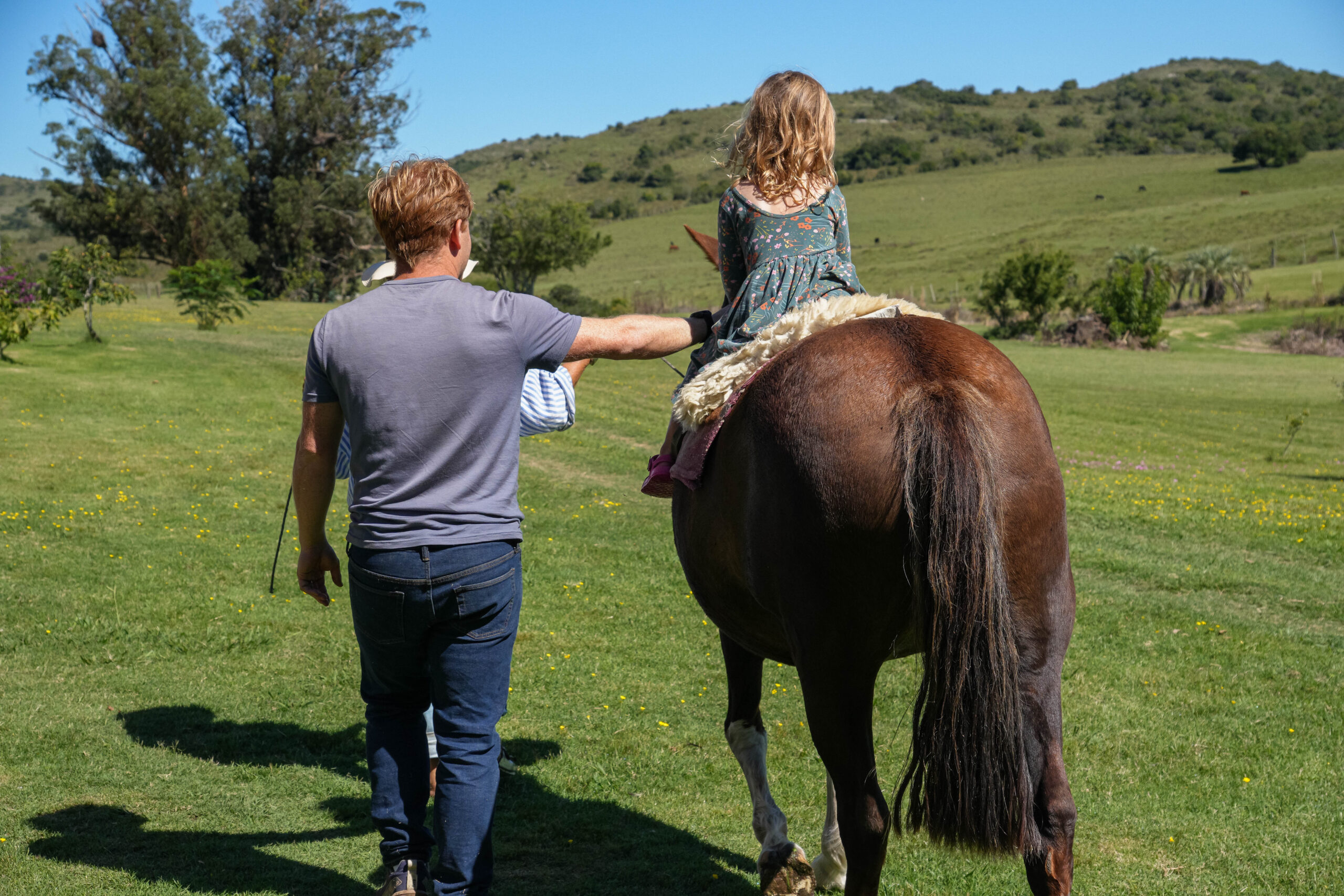
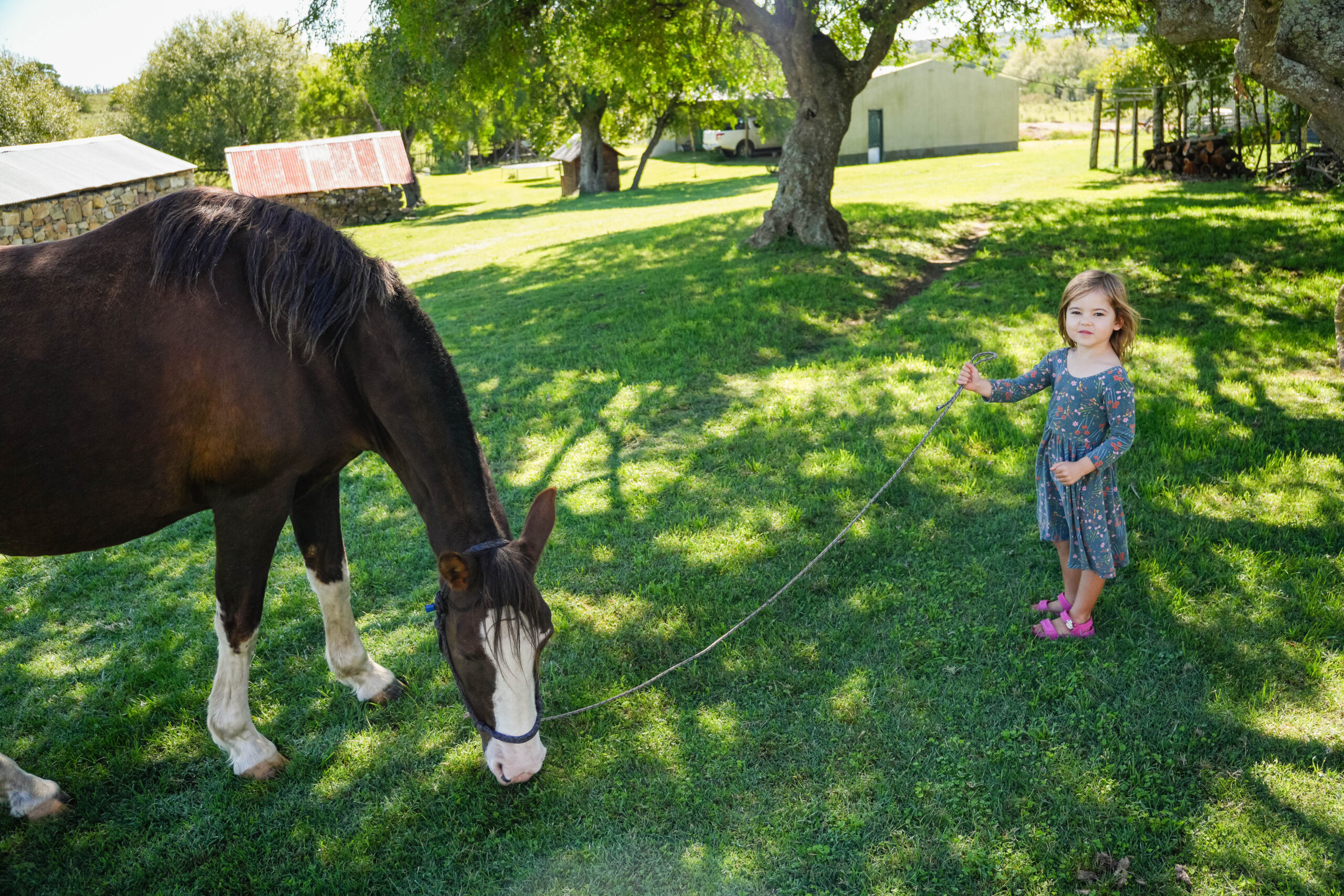
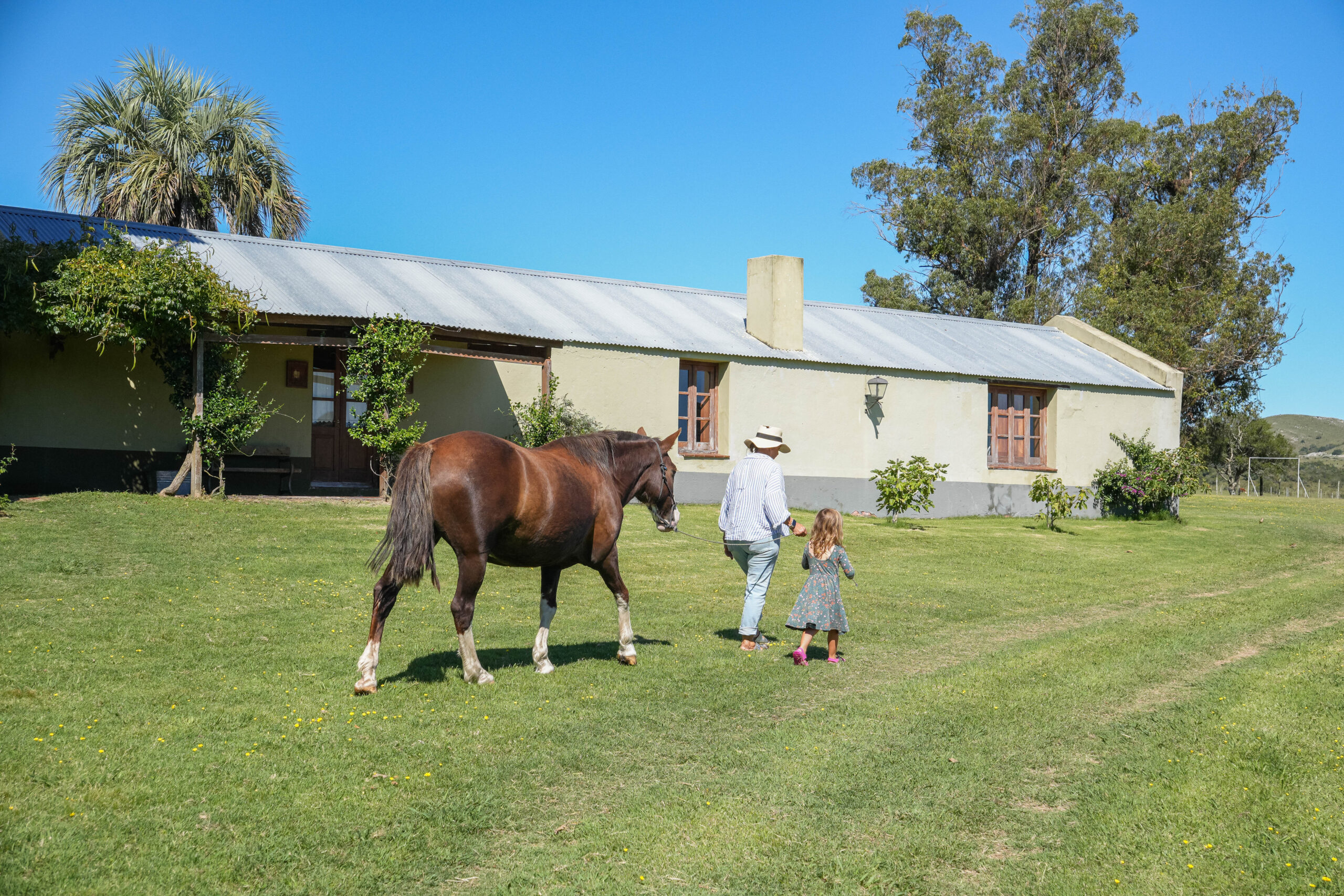
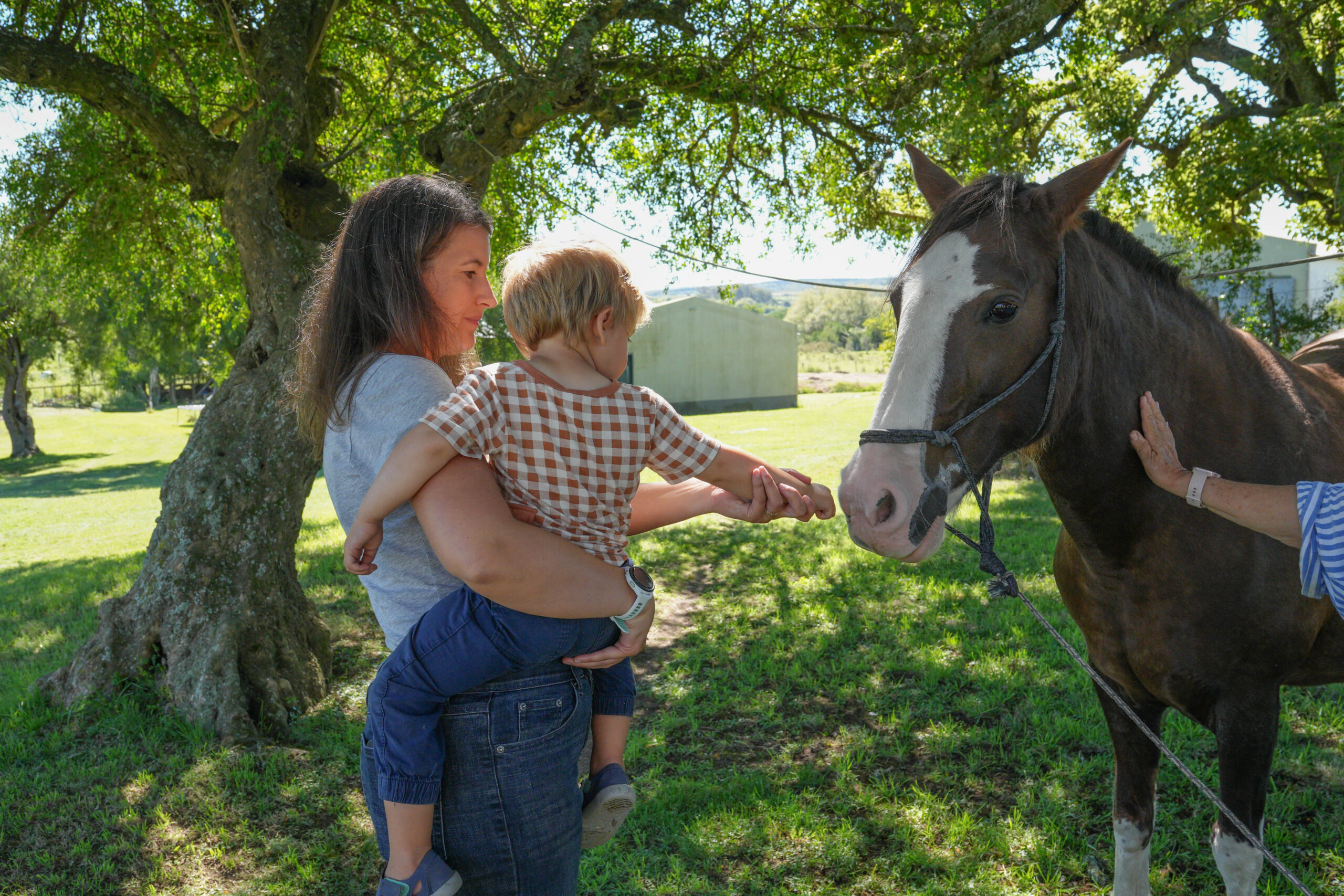
Of course one of the big reasons we came to the estancia was to spend time with horses and we were in for a treat. Mae and Emmett were both rightly skeptical about horses not being separated from them by a fence, but by the end of it both of them had made huge strides. Emmett held the reins of a horse, leading it around to grassy spots in the yard. Mae bonded with a horse named Pampa and at five years old rode by herself around the yard. Everyday thereafter we had to find and say both good morning and good night to Pampa.
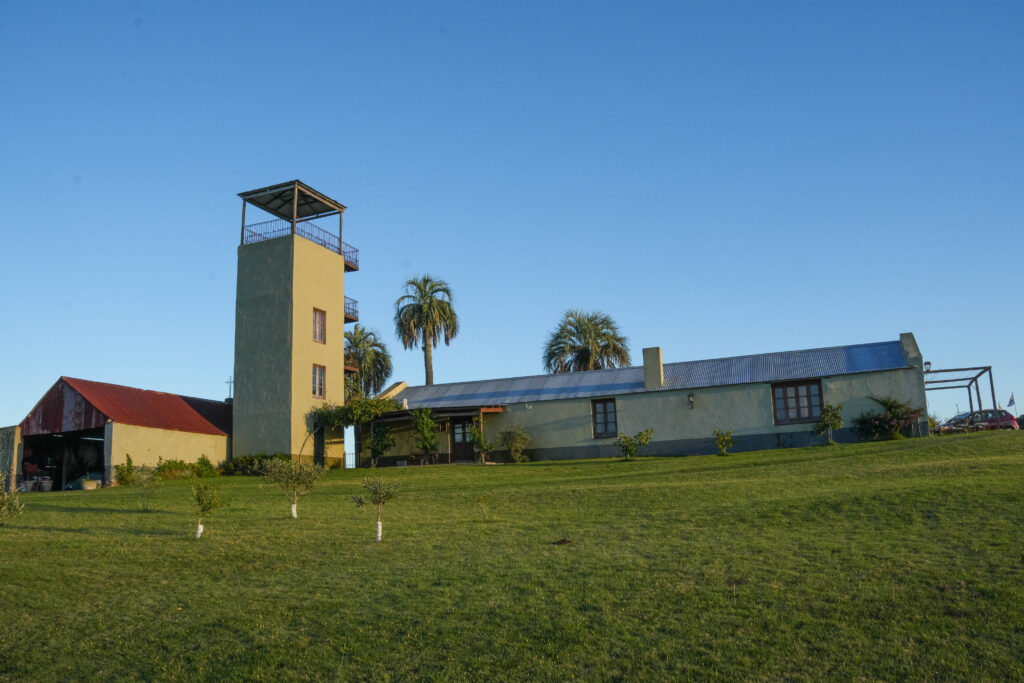
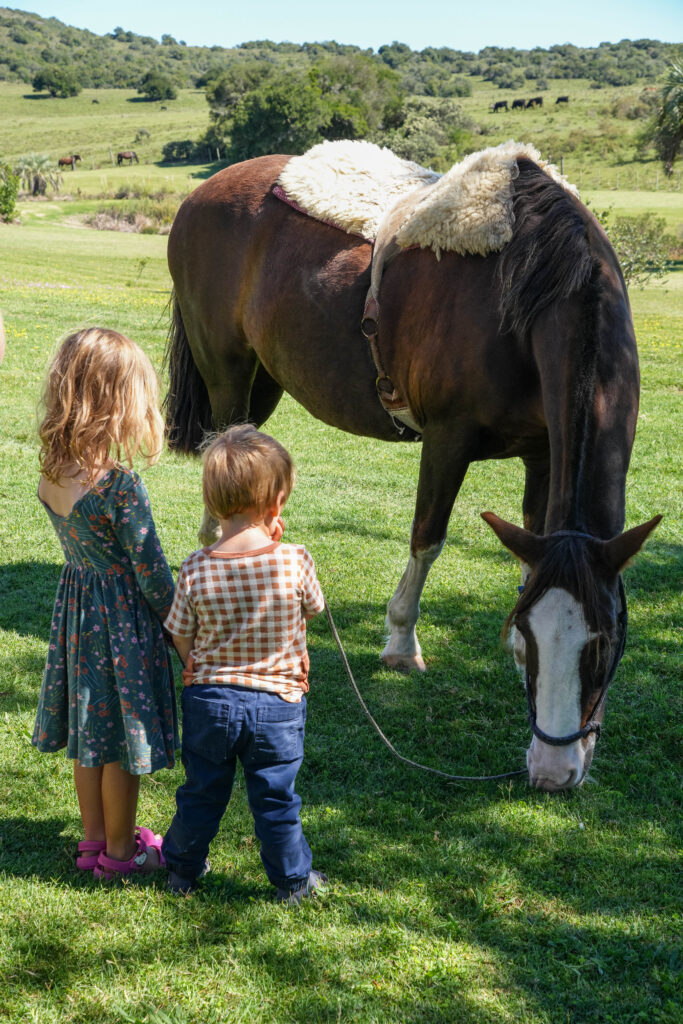
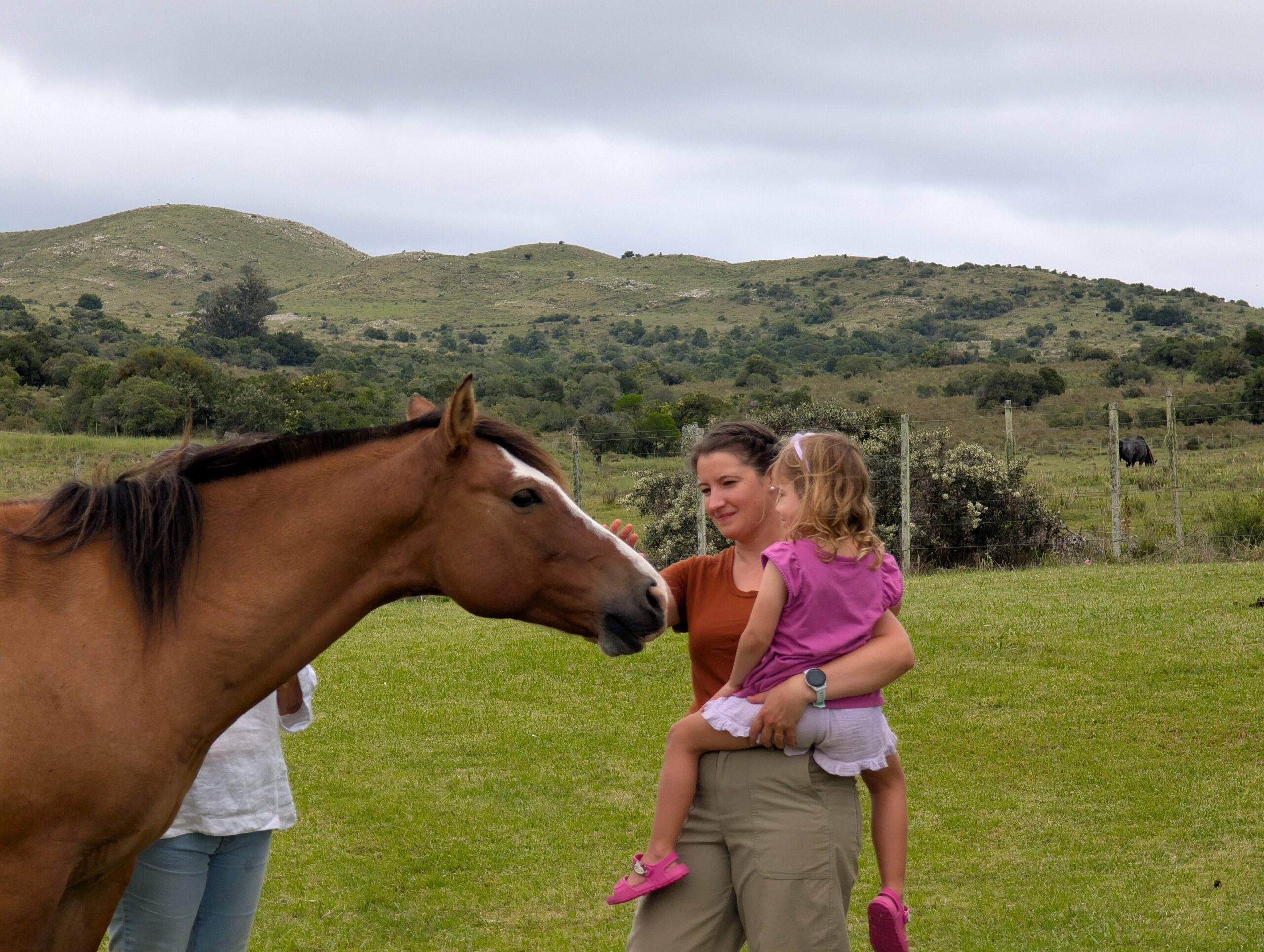
Our final treasured memory from this brief stay was a hike with Teresa up in to the hills around their ranch. We crossed streams, harvested native plants to make into herbal teas and took in views of the surrounding farm land. If that wasn’t enough, we turned a bend and came upon a herd of wild horses that Teresa was working to domesticate. She used her “horse whisperer” voice to allow us to approach and spend a few minutes with these animals. We loved our time here and won’t be surprised when Mae returns in 10 years to see Pampa once more.
Montevideo
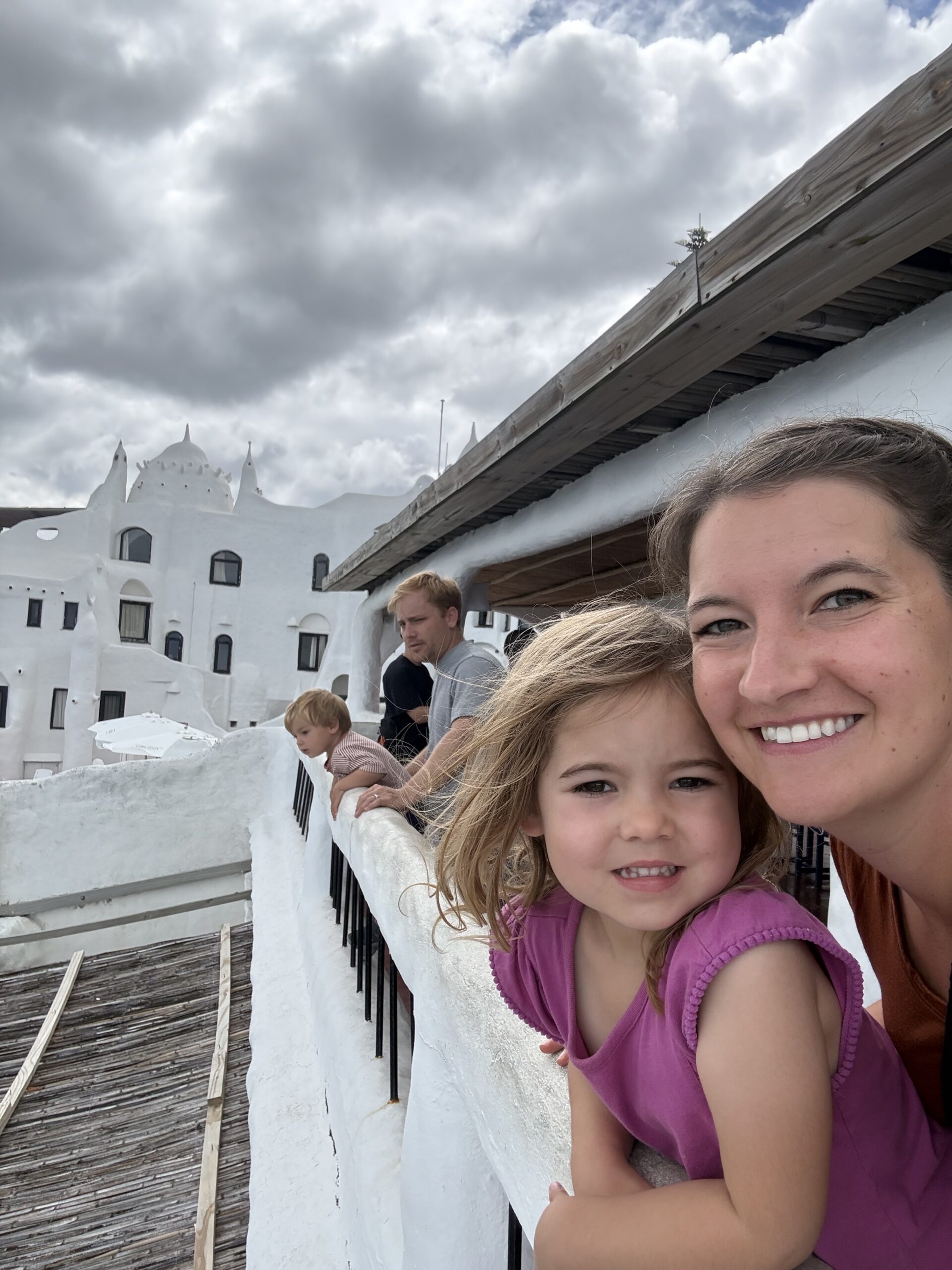
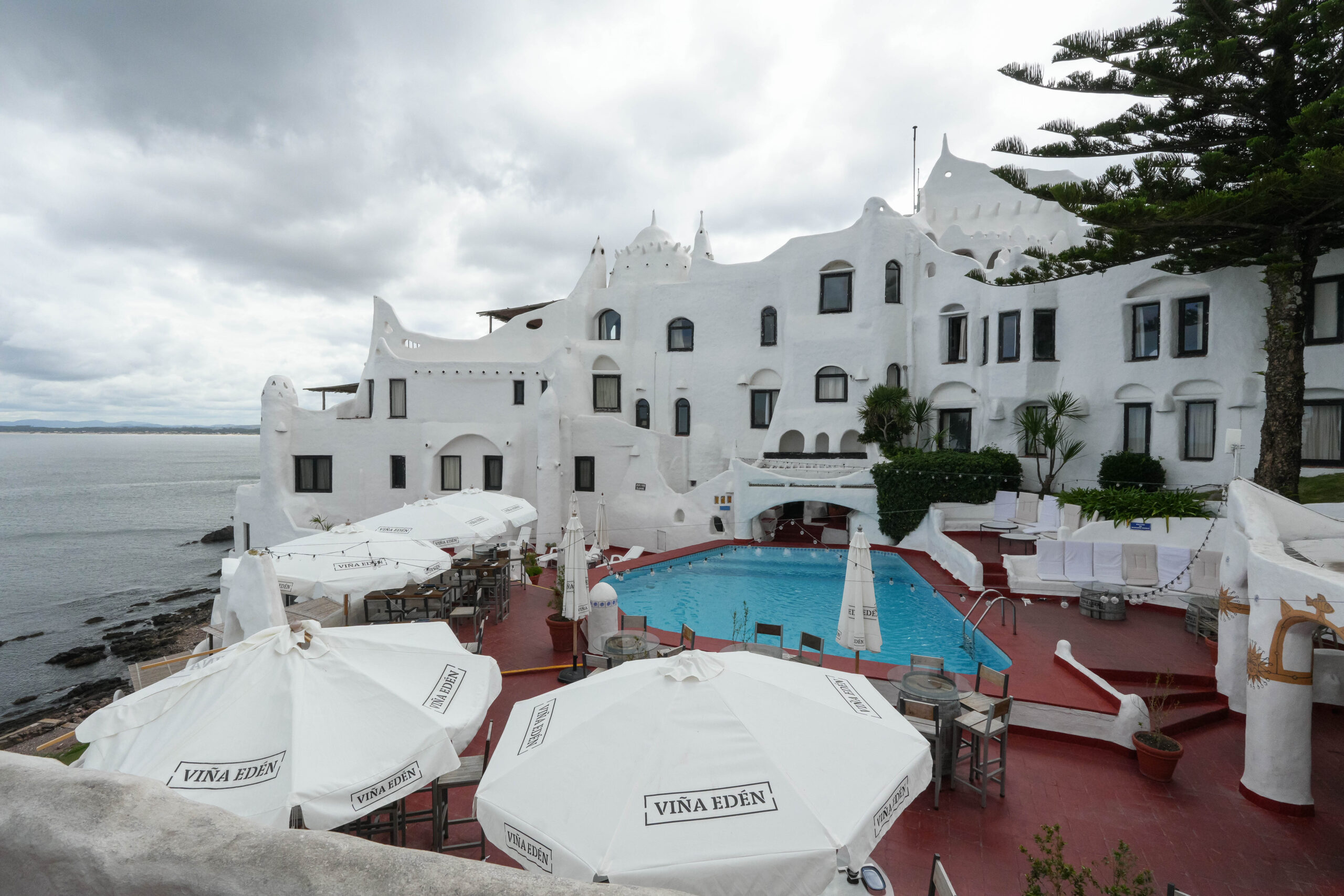
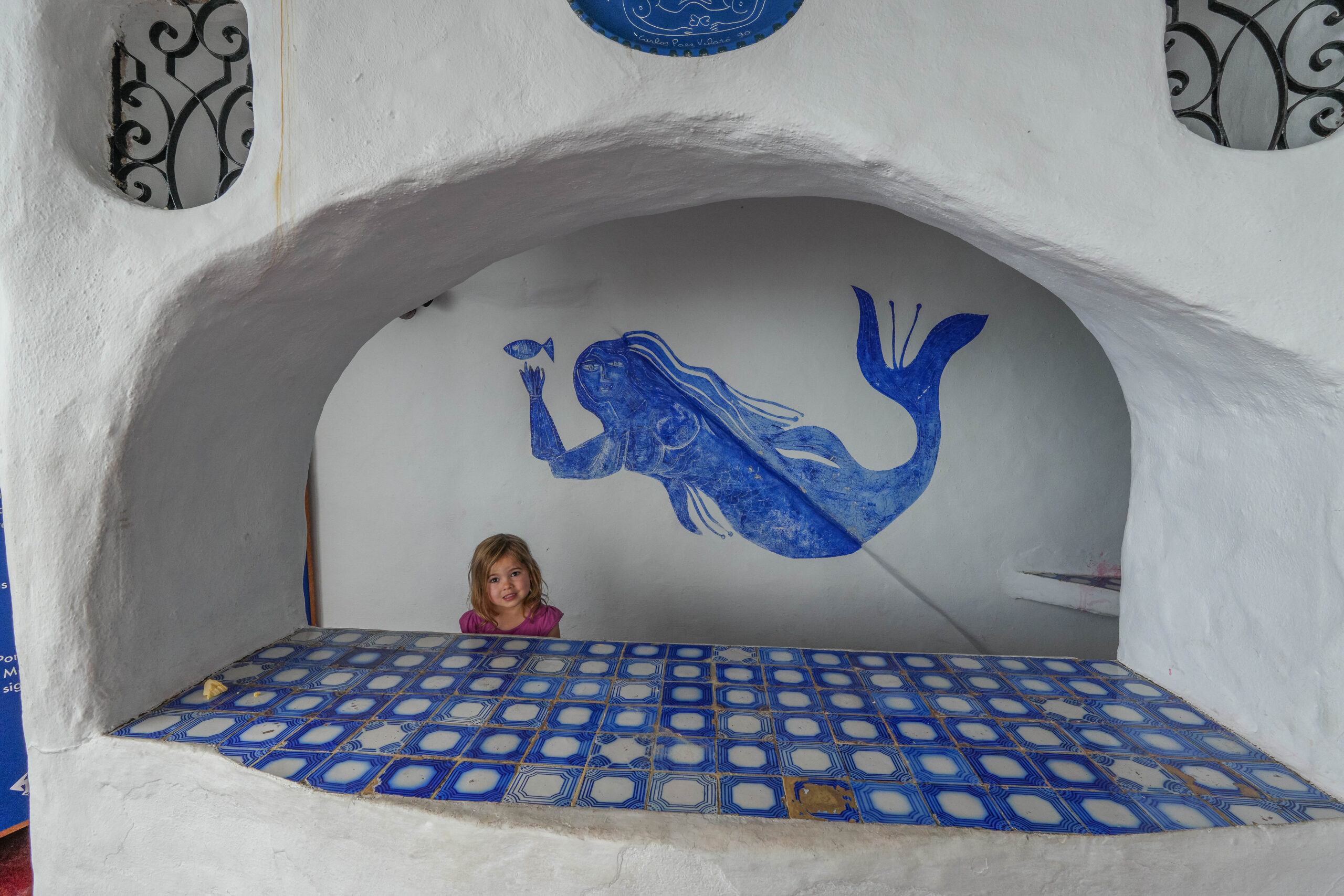
On our way to the capital city, we stopped in Punta del Este, a popular vacation city on the coast 2 hours away. Plenty of high rises and long stretches of beach, this was a fun spot to take a driving break. The famous fingers sculpture sticking out the sand is a good base for exploring and further along the coast is Museo Casapueblo. It is a museum for artist Carlos Páez Vilaró, showcasing his works in his cliffside dwelling.
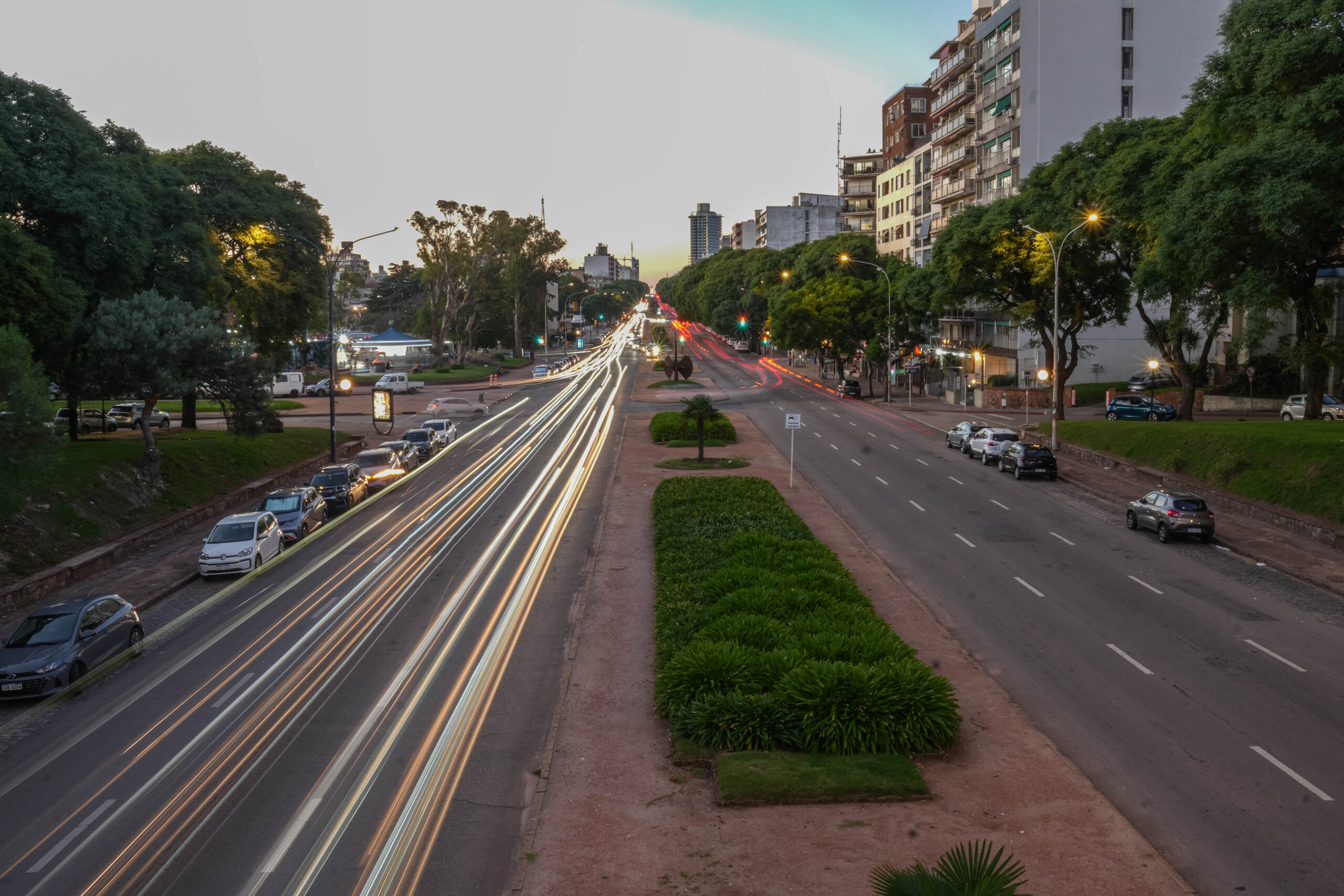
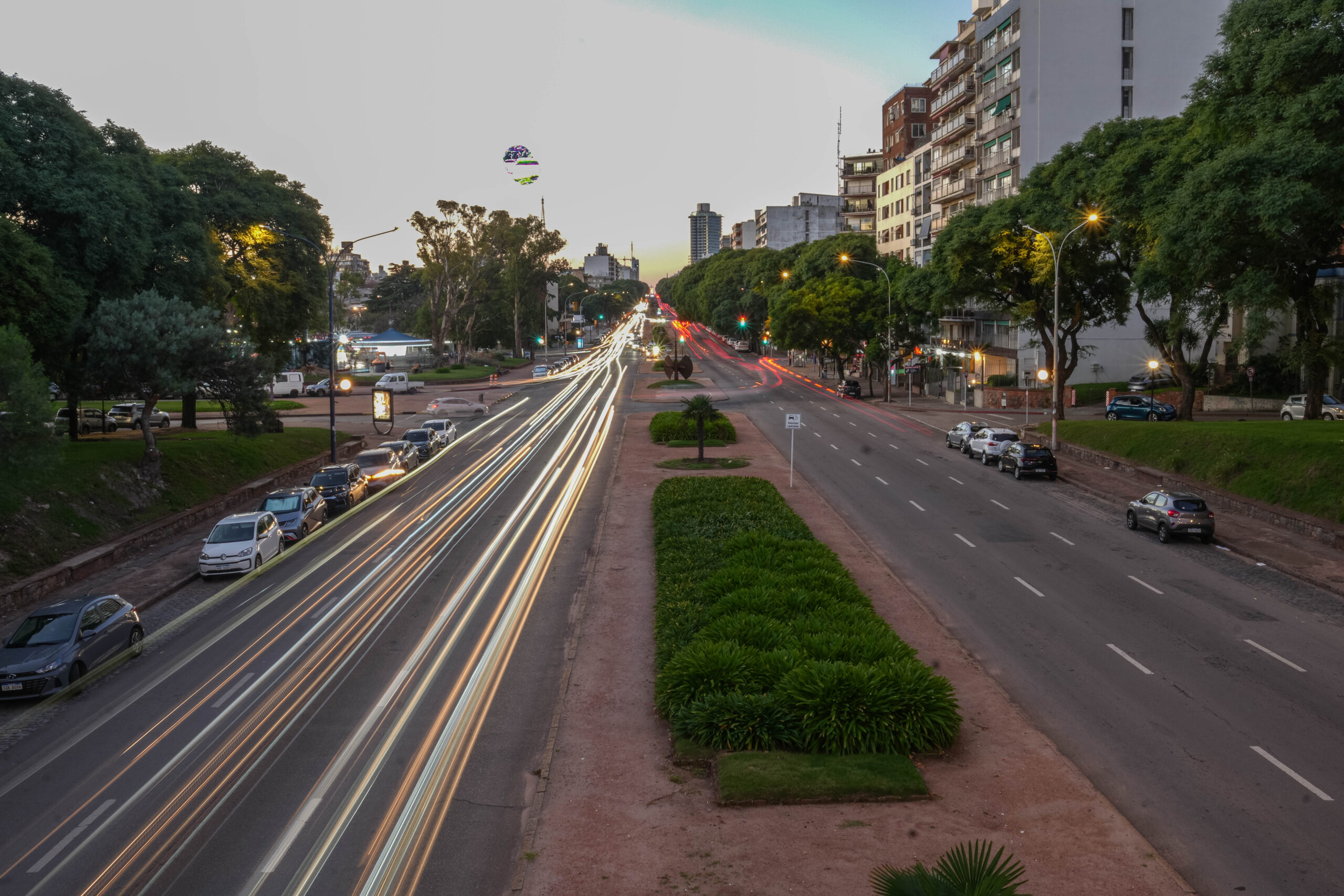
Going from a cattle ranch to the city was a shock to the system. The day started with a scavenger hunt to find the right apartment in the family friendly Punta Carretas neighborhood. It ended with me making a harrowing solo drive at rush hour to return our rental car. Apparently if you turn on your hazards in Uruguay you are exempt from all traffic laws, whether that’s parking in a traffic lane or going the wrong direction down a one way street for a bit.
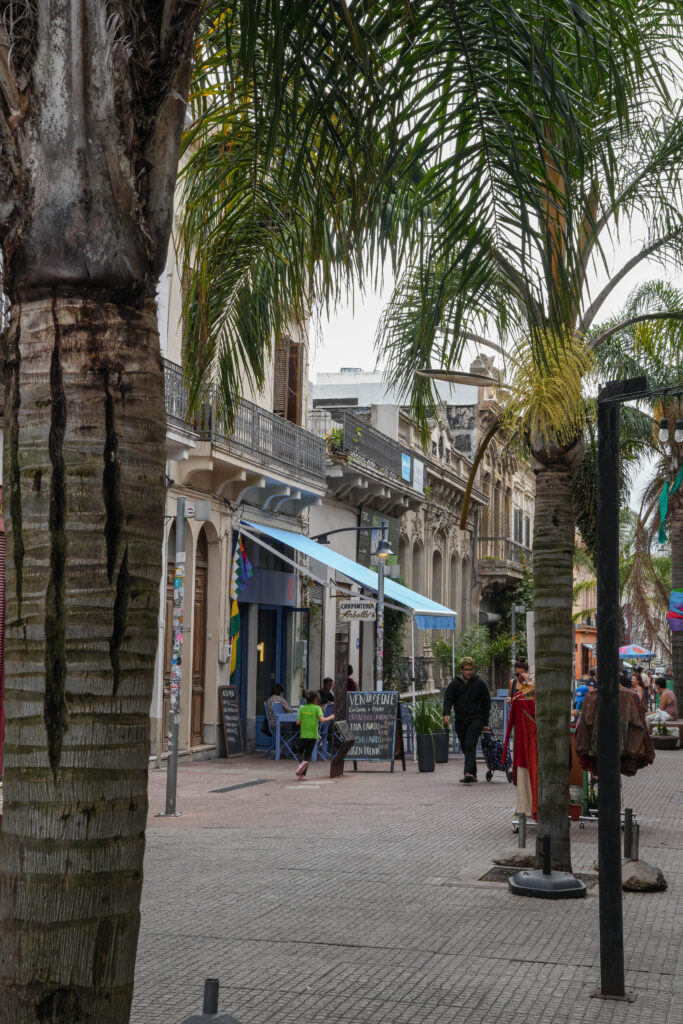
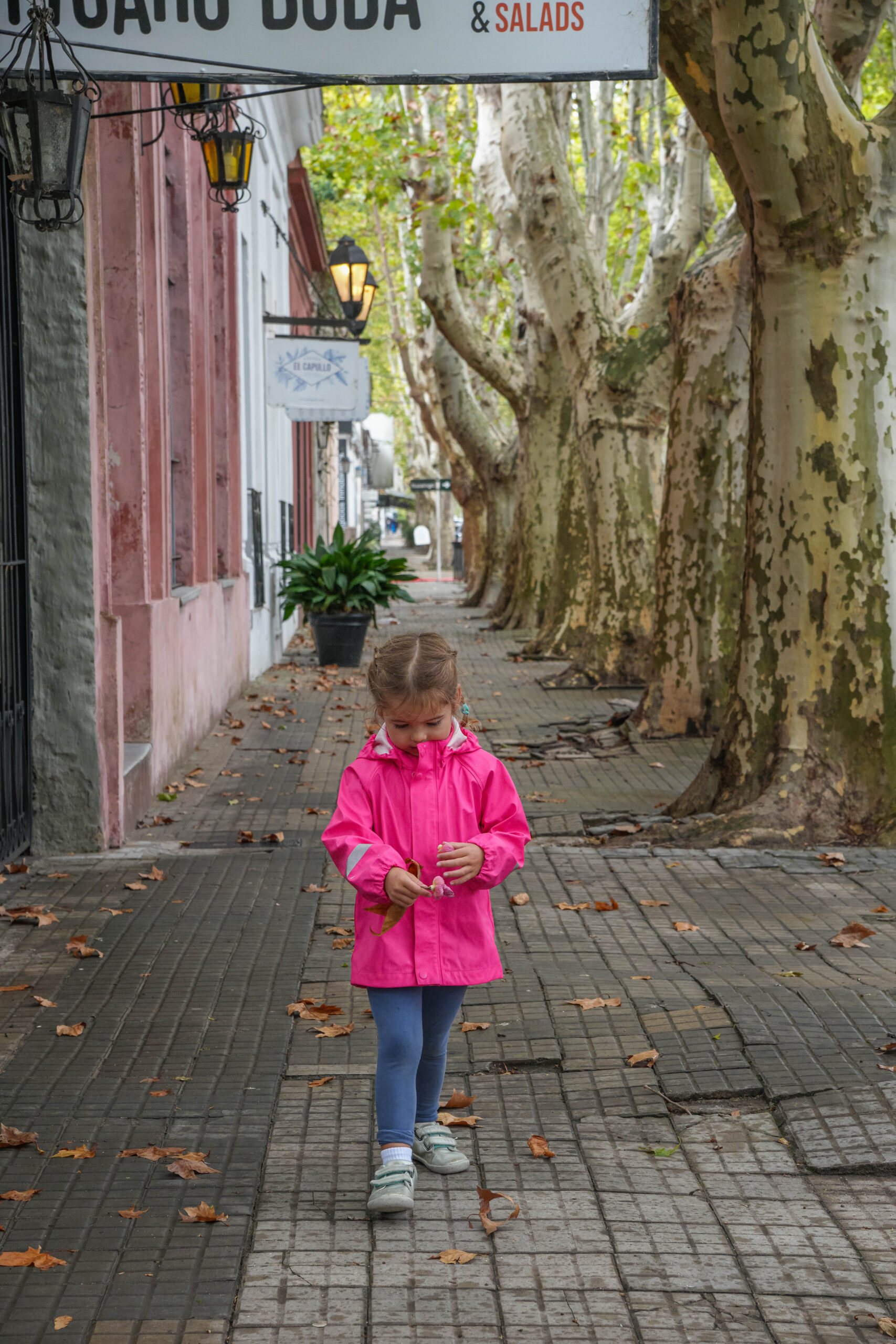
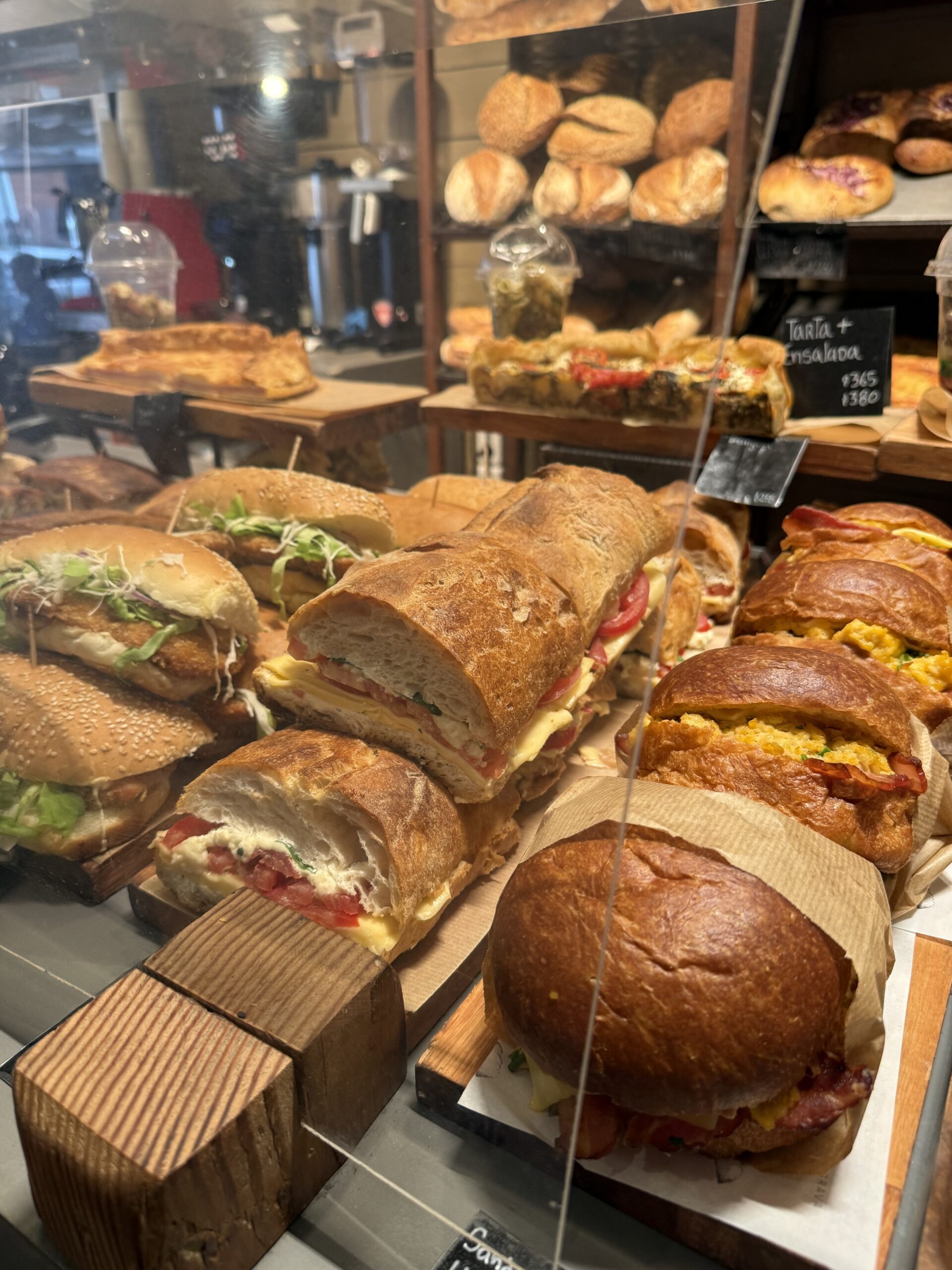
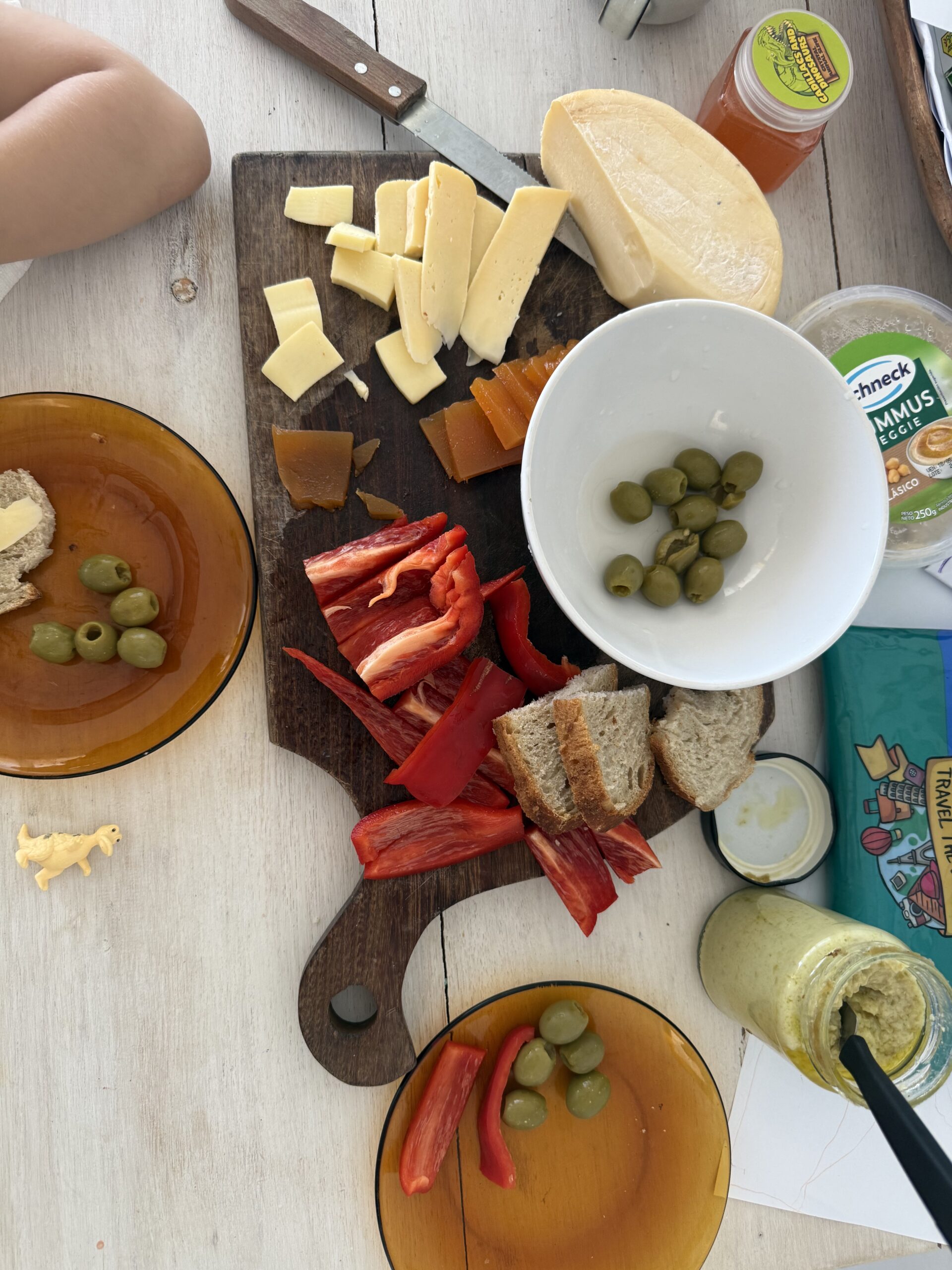
Once we settled, though, things fell back in to our normal travel pattern. We explored the surrounding neighborhoods of Montevideo for playgrounds, sites and food. Arriving on a weekend, we had perfect timing to visit several of the ferias in the parks, stocking up on incredible produce. The red bell peppers in particular were somehow 3X the size of those in the US but 1/10th of the price. Pastries continued their South American trend of being phenomenal and we had the best croissant/tart hybrid at Panadería Brava.
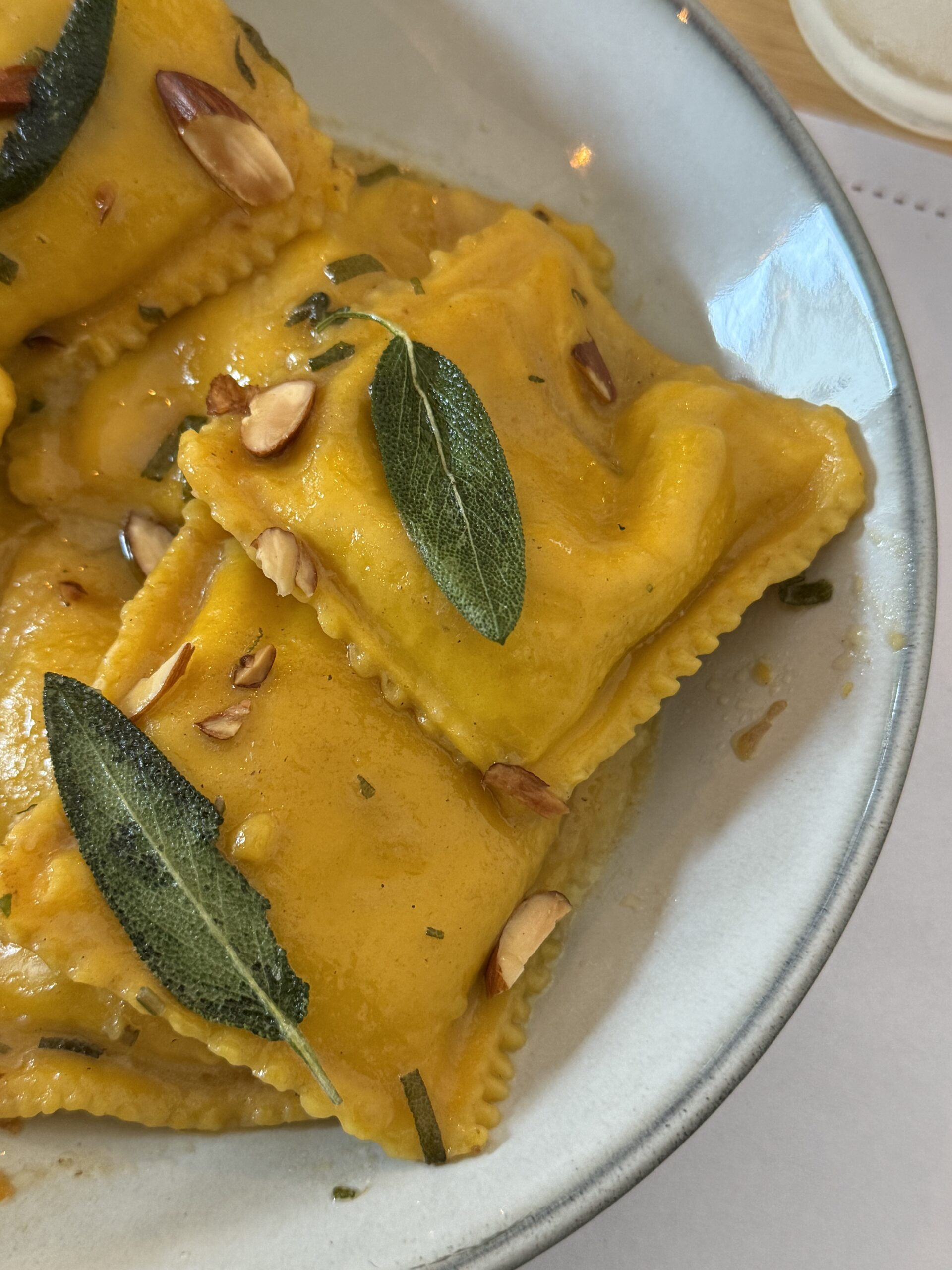
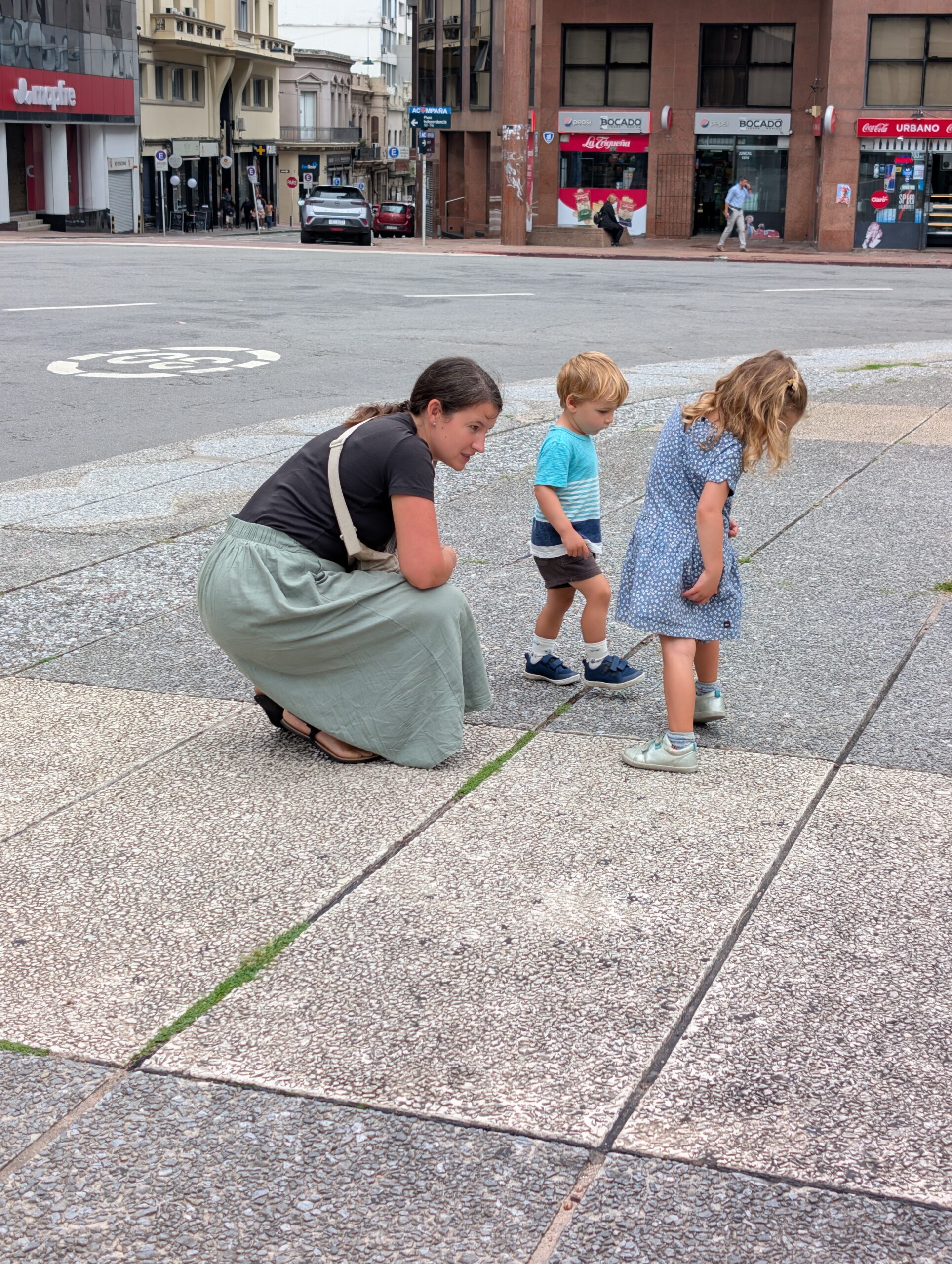
To explore the city, we went on one of those “free” walking tours where you pay what you think it was worth at the end. We started at the Artigas Mausoleum, the burial site of José Artigas, father of Uruguayan nationhood and proceeded through central districts to the Mercado del Puerto for lunch. Things were chaotic at the market and the kids were restless after a +2hr tour of listening to stories about people who lived long ago so we took our chances at finding food elsewhere. Starving, tired and at the end of all parental patience we stumbled into Meriggiare and ate the most amazing stuffed pastas along side the businessmen of the city. We all agreed that it was the best pasta we ever had, but could have been heavily influenced by our collective relief with finding any food.

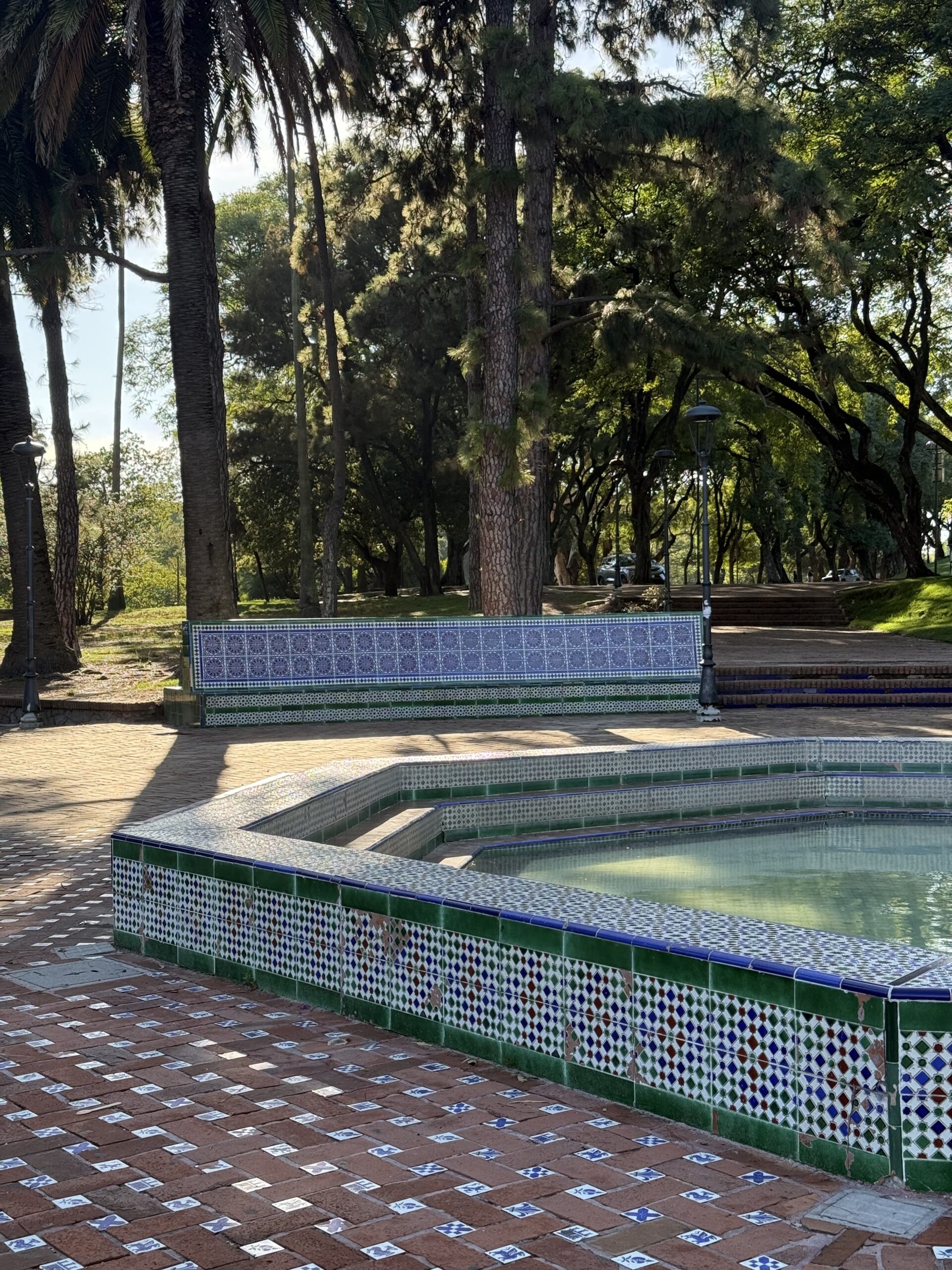
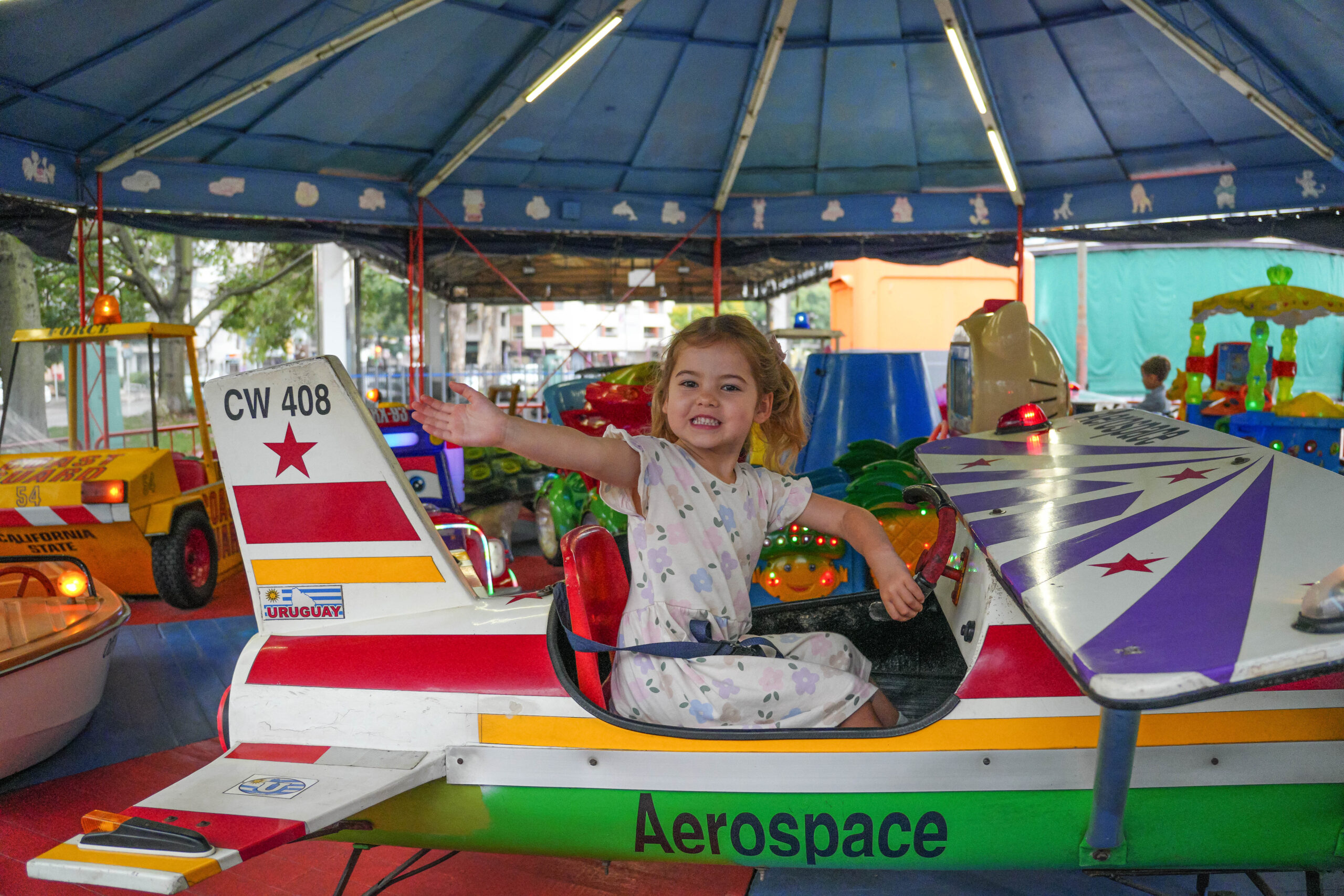
On our last day in Montevideo we walked around the Parque Jose Enrique Rodó, ending at what can best be described as a small carnival on the Eastern side of the Park. With a fistful of tickets, we jumped into the carousel and roller coaster lines. The highlight, though was the slot-car ride, where Mae and Emmett rode with beaming smiles around the track many times. We had fun in the city but were excited to leave and return to the countryside for a few more days before leaving Uruguay.
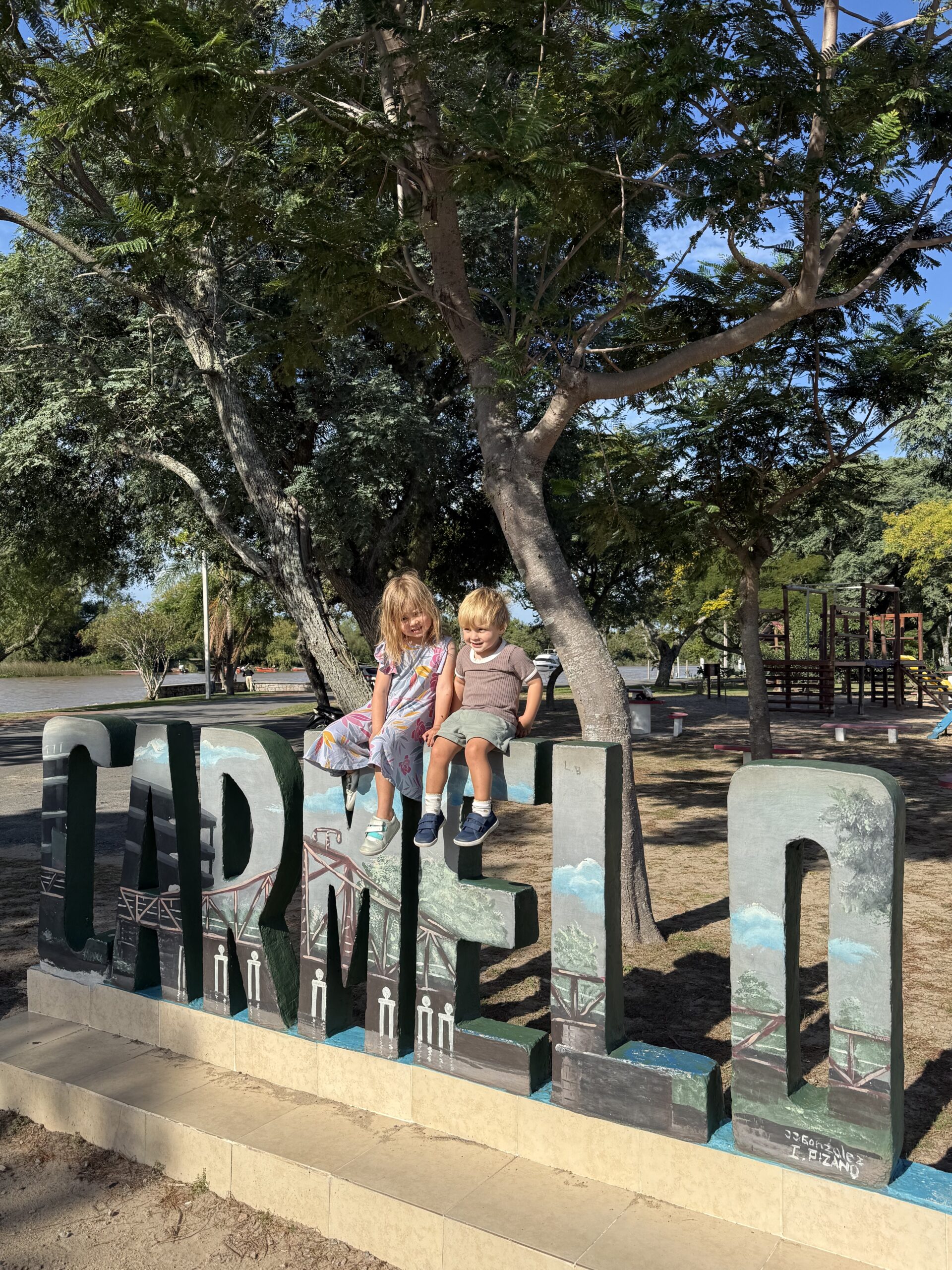
Carmelo
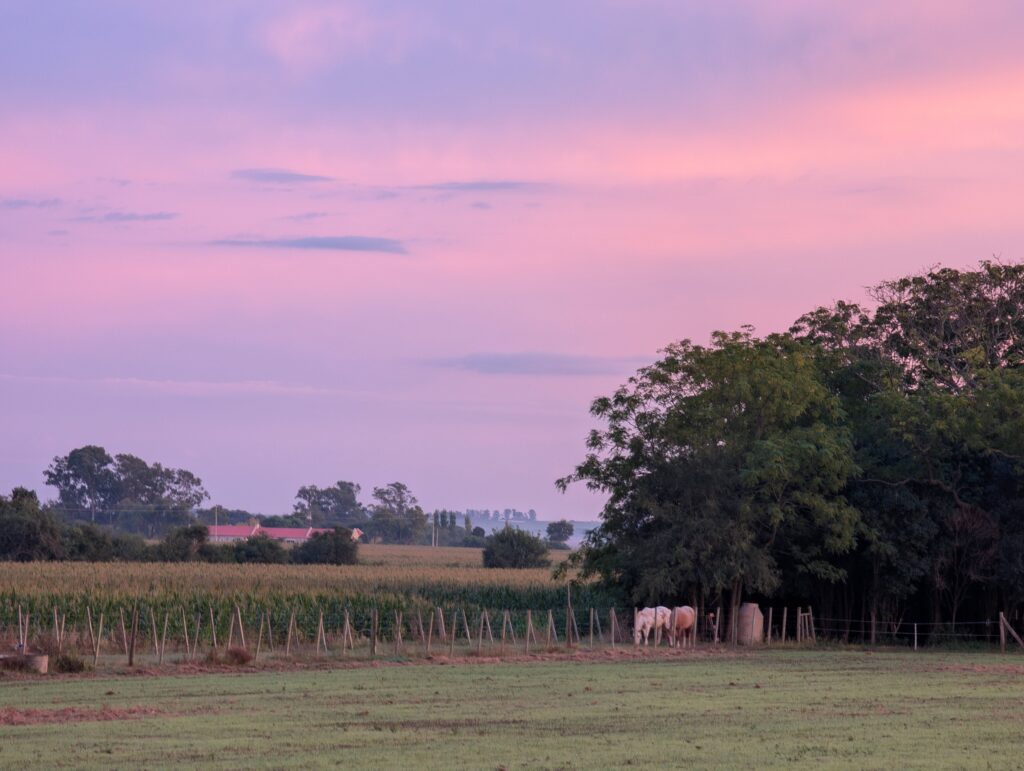
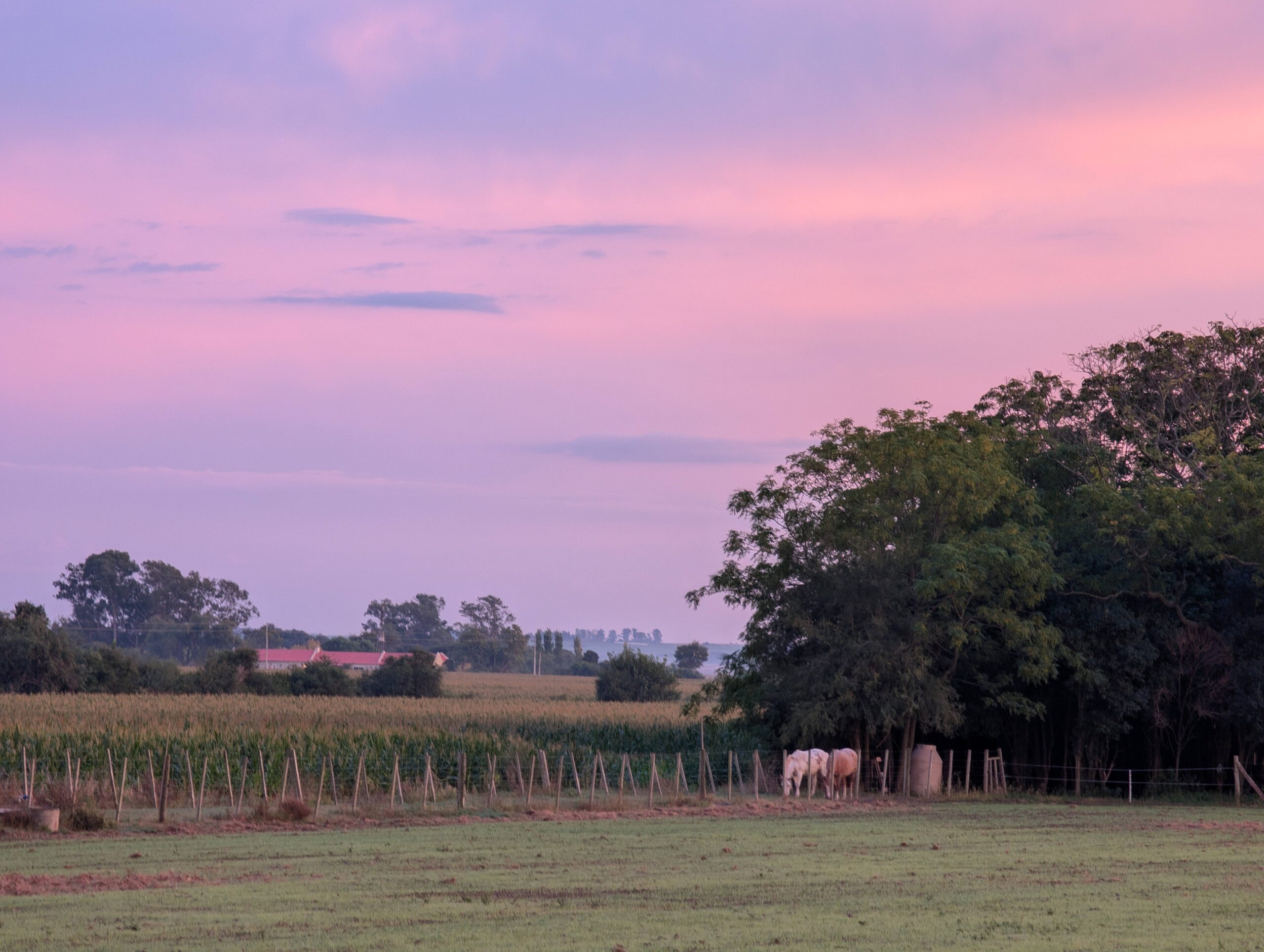
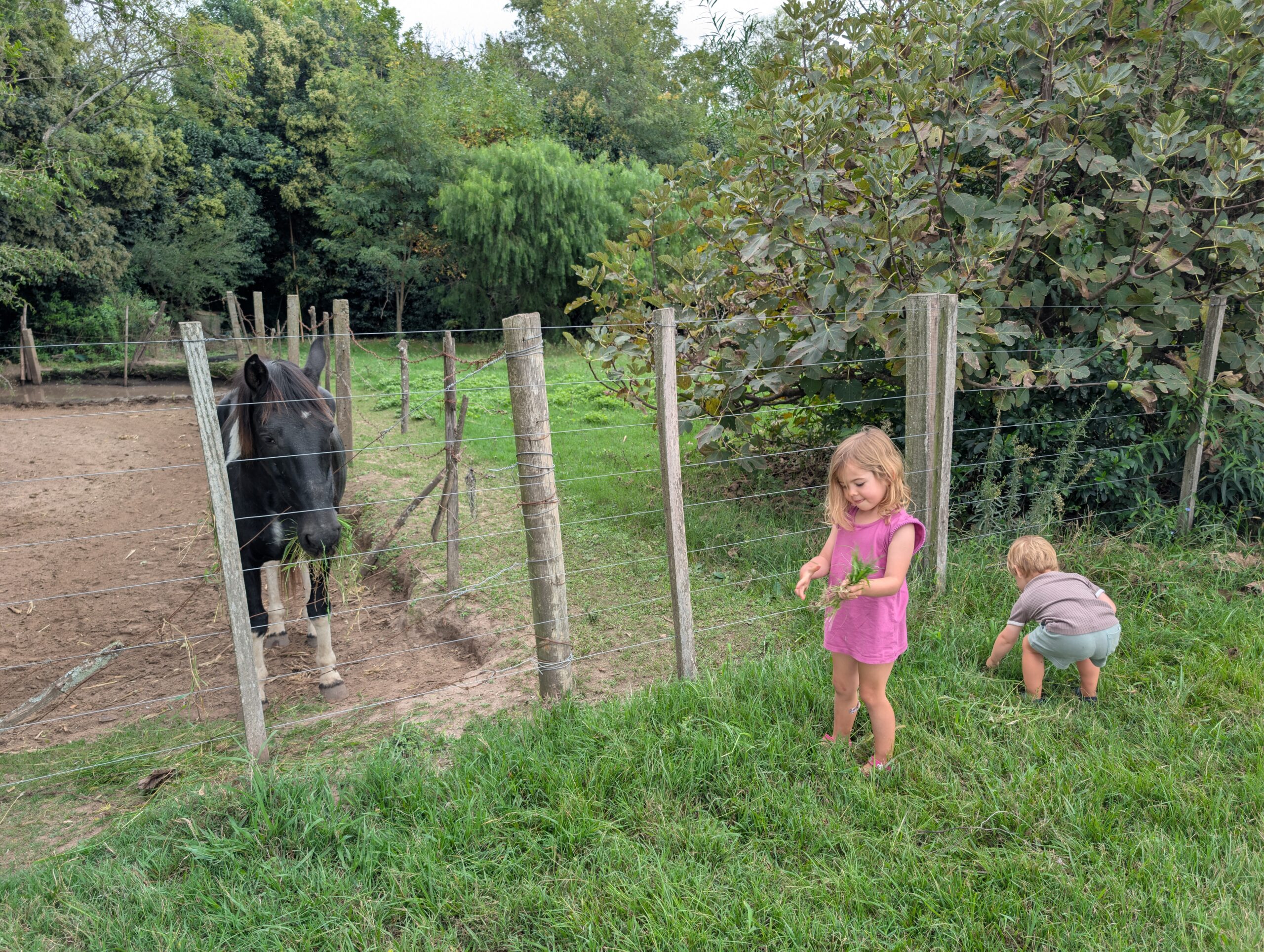
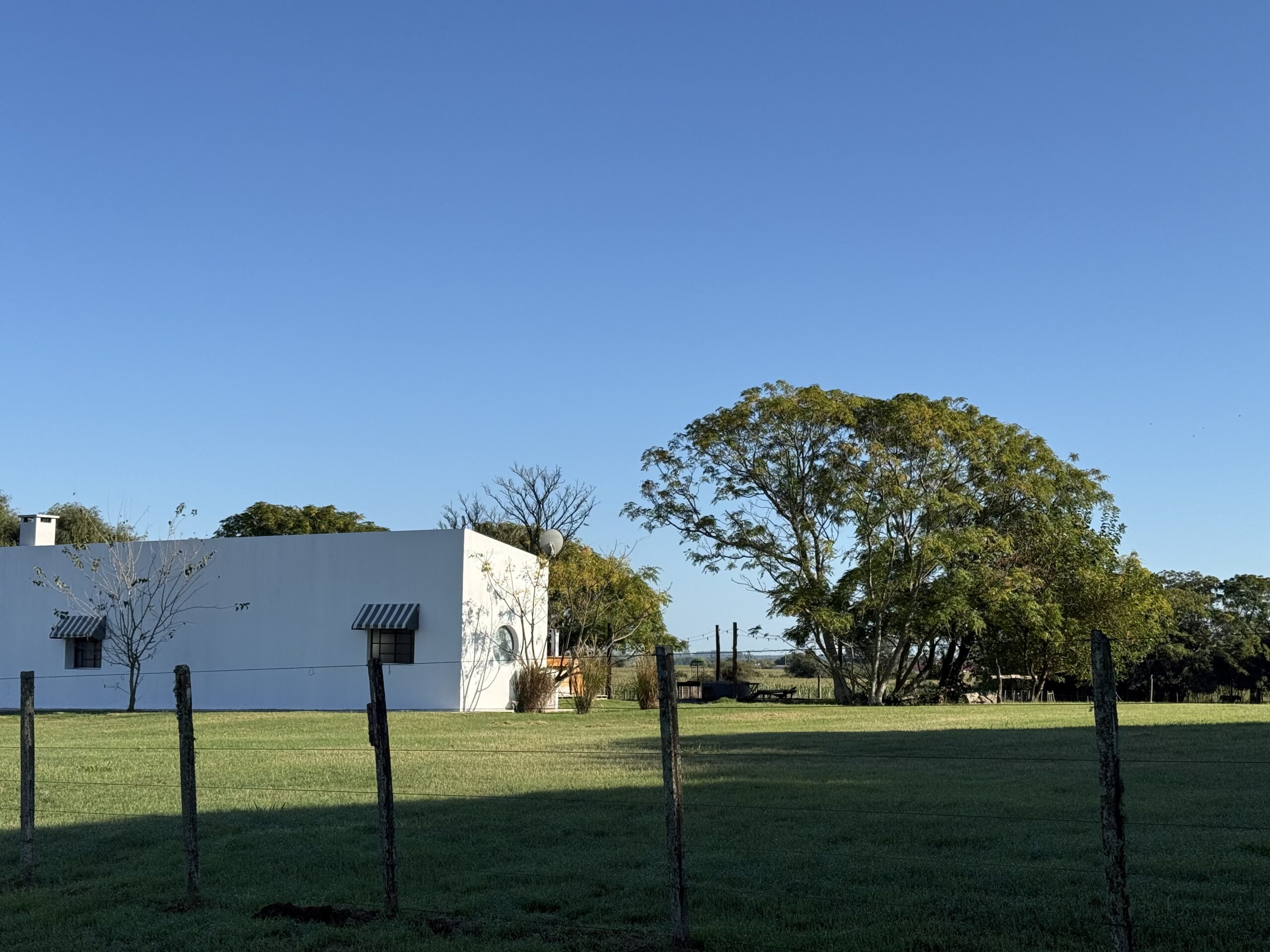
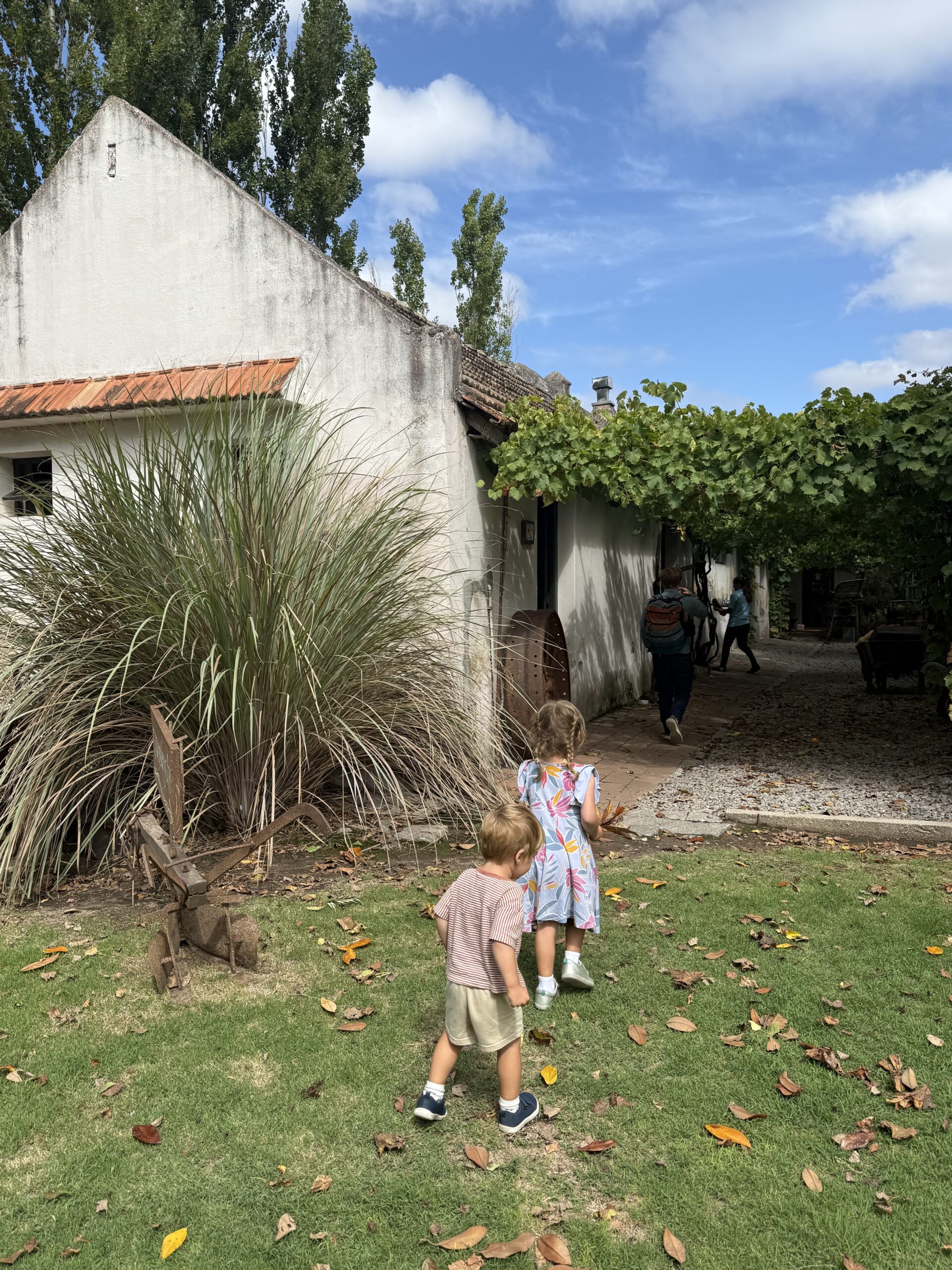
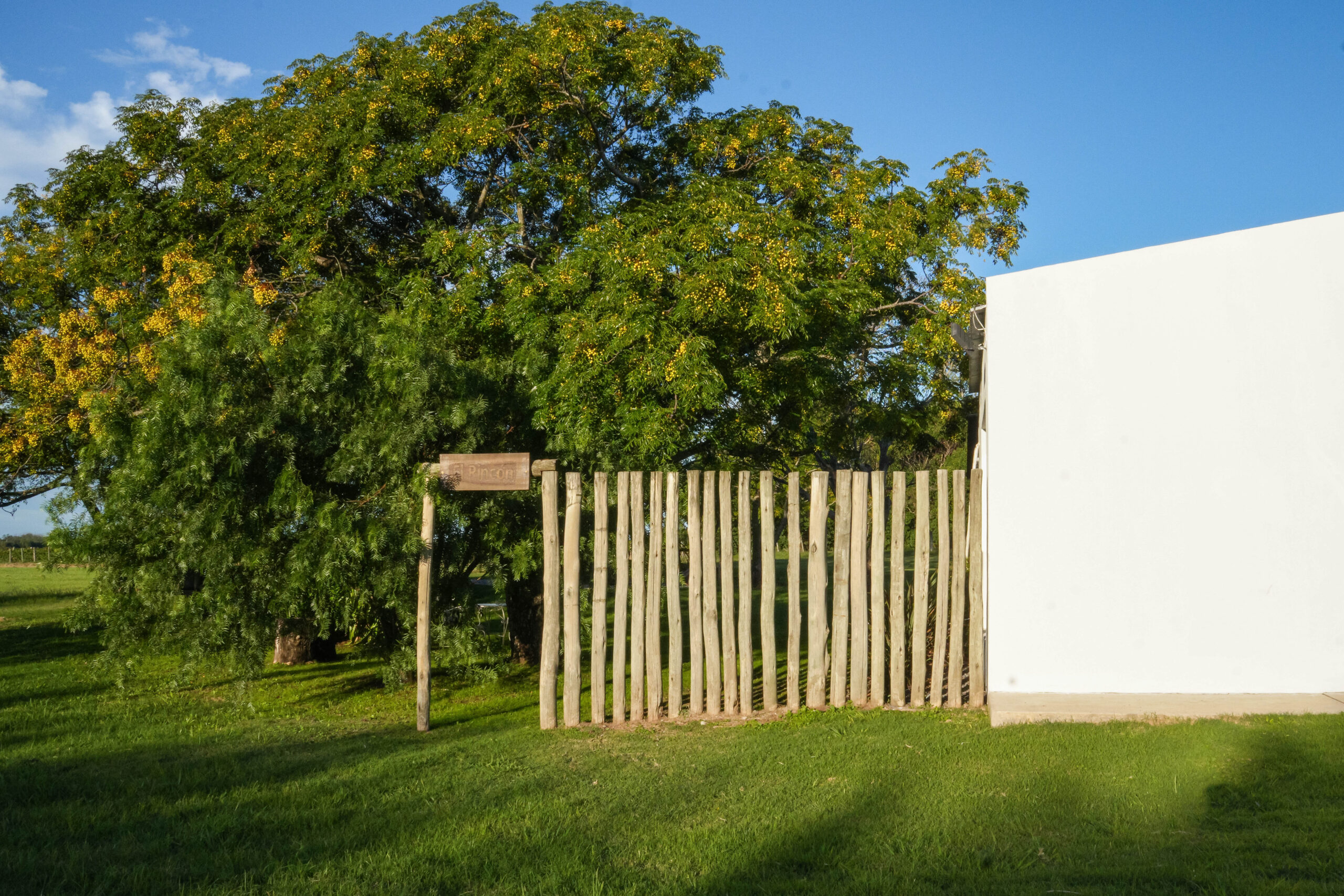
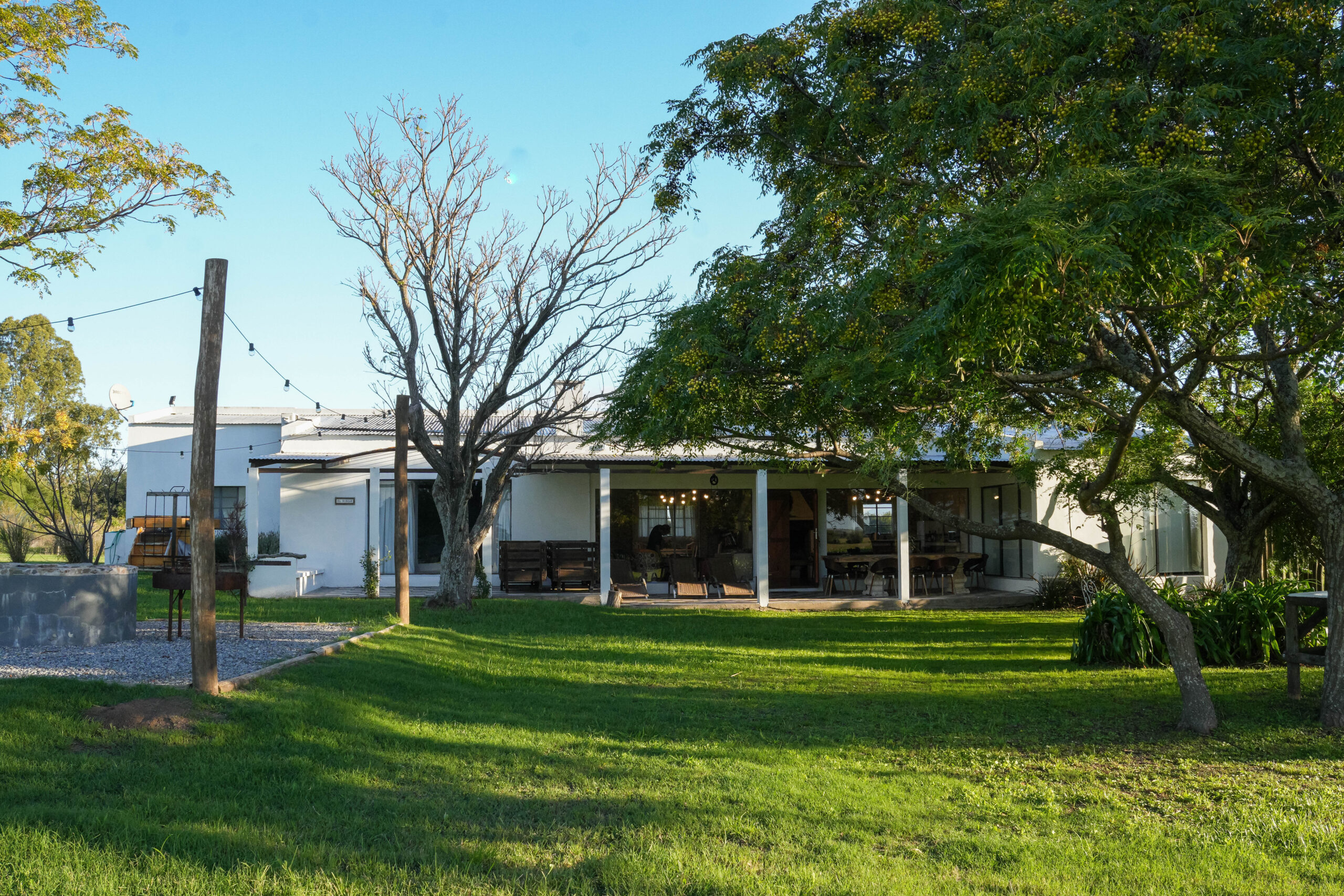
Our final destination for the trip was the town and wine region of Carmelo. Set in the dryer, western side of the country, the area is known for the red grape called Tannat, which is similar to Malbec. We found a ranch home in the country side for the week. The neighbor’s horse was a kid favorite, particularly gathering huge handfuls of the longer grass on our property to feed to it.
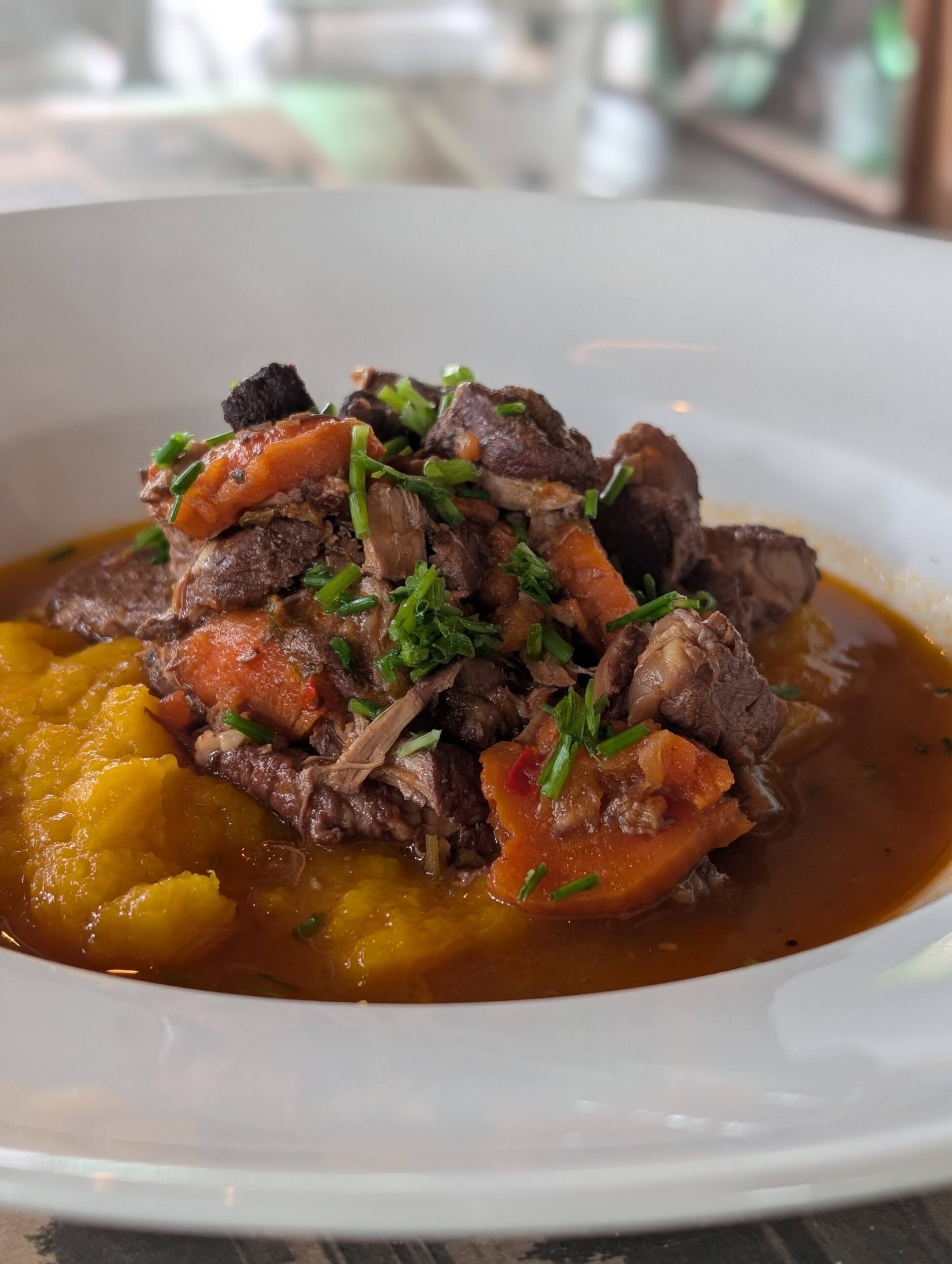
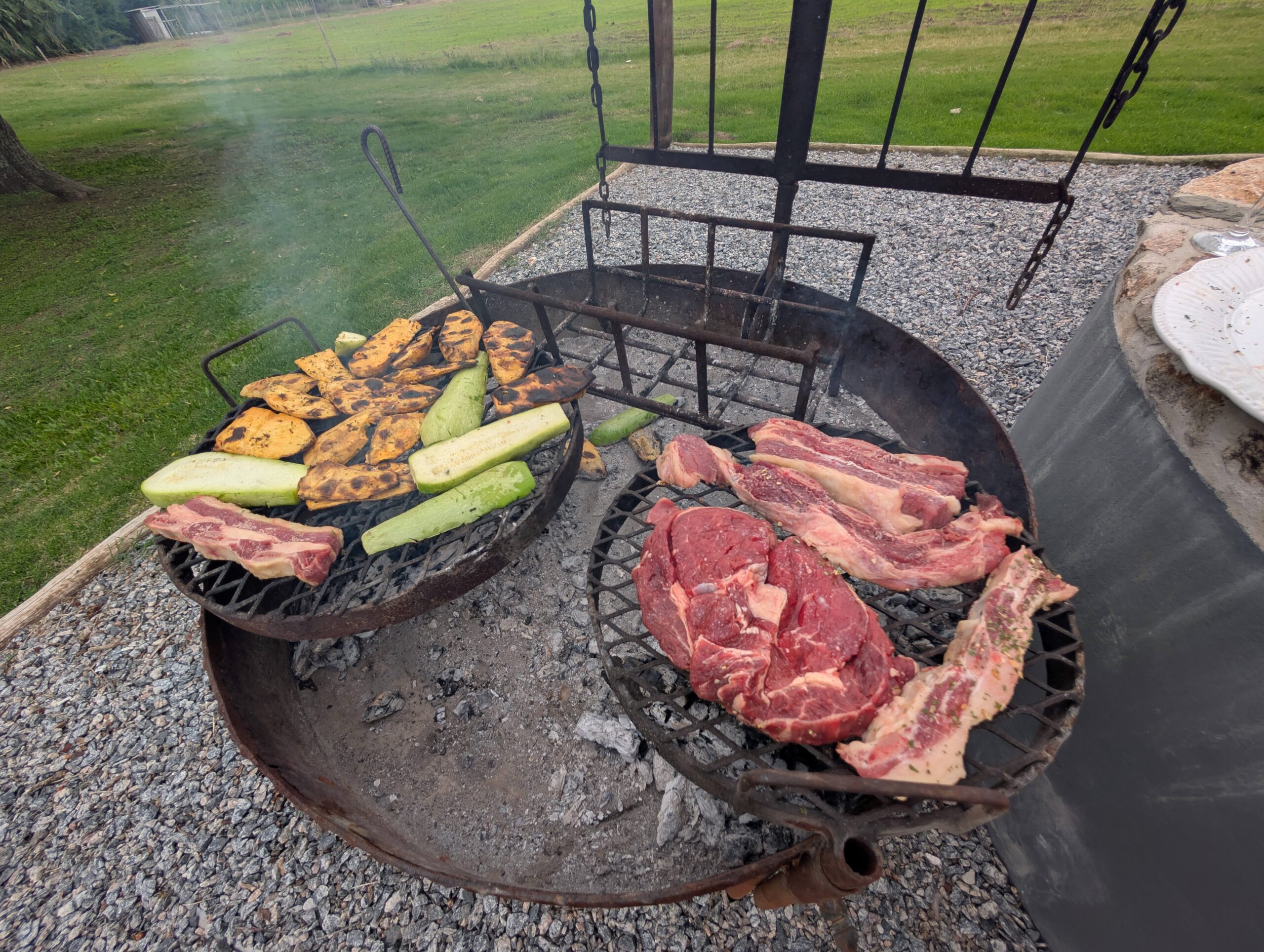
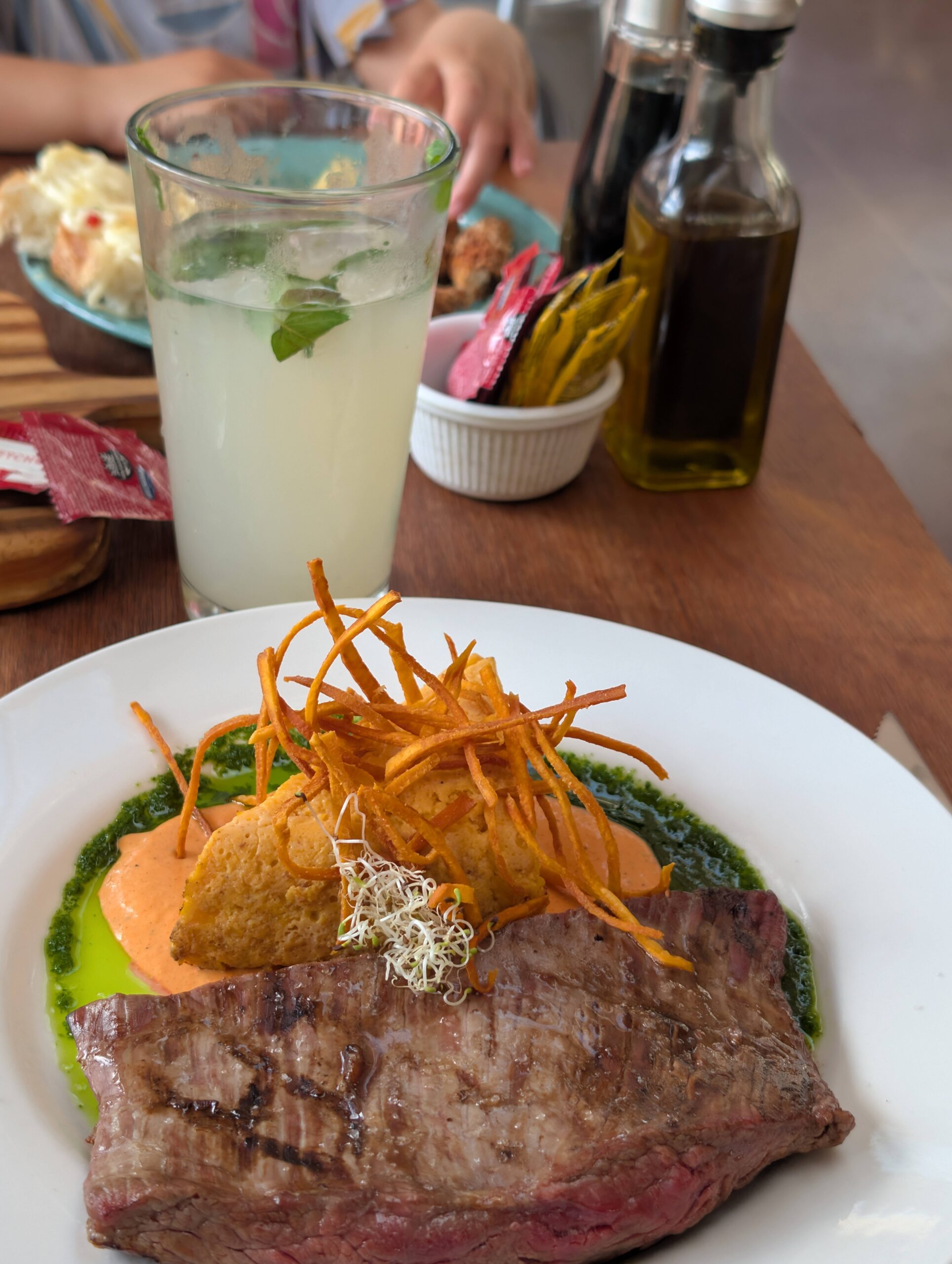
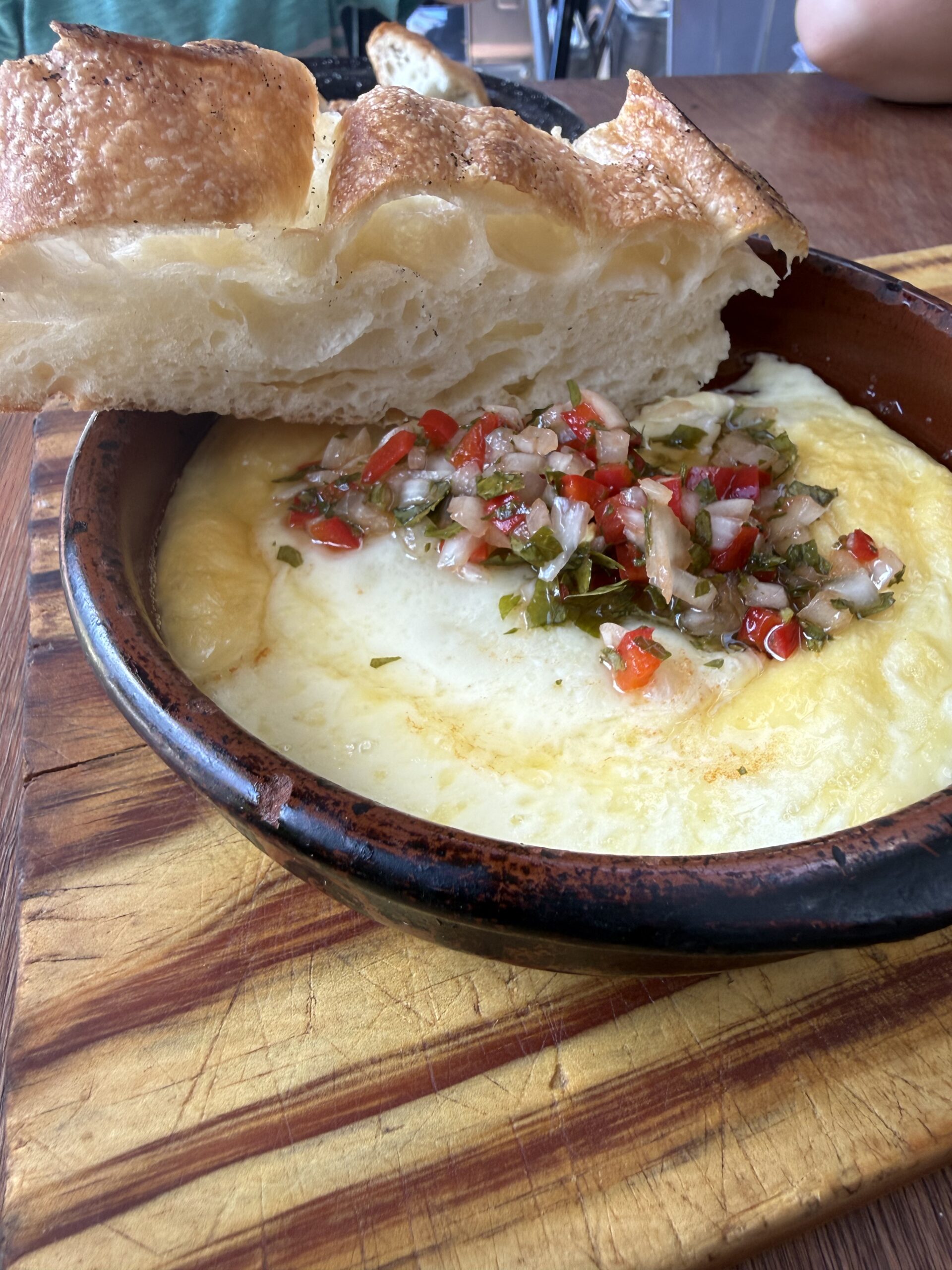
I was excited to try out what I had learned about a parilla on the backyard pit and eagerly went to the local butcher. After a few confused looks and some cow body part based charades I walked away with a ribeye and some short ribs. Uruguayan beef is grass fed and has strict traceability requirements back from the store packaging to the small farm where it was raised. Seasoned only with salt, wood fired and loaded with a big spoonful of chimichurri, I ate an unhealthy amount of meat in a single sitting.
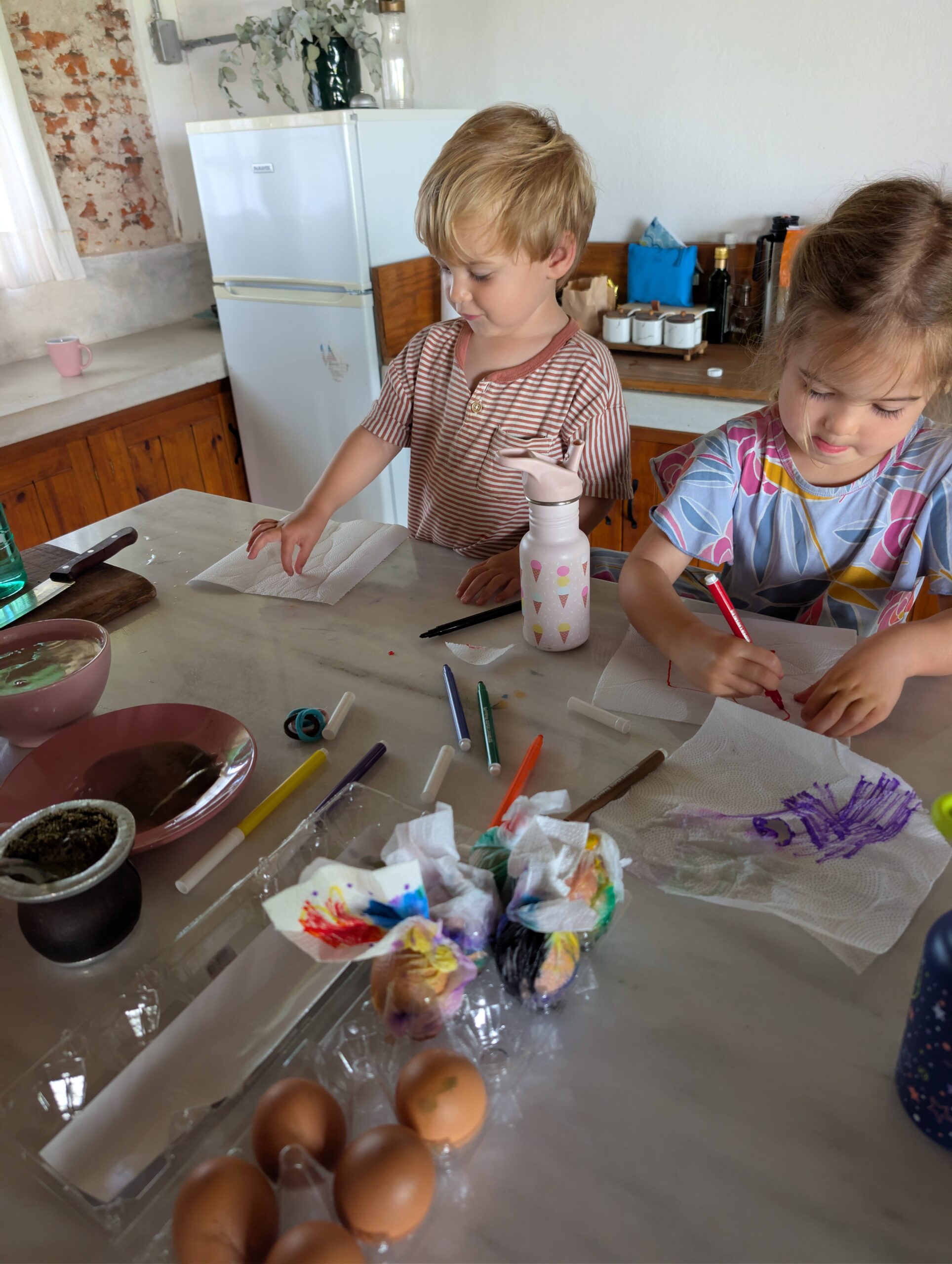
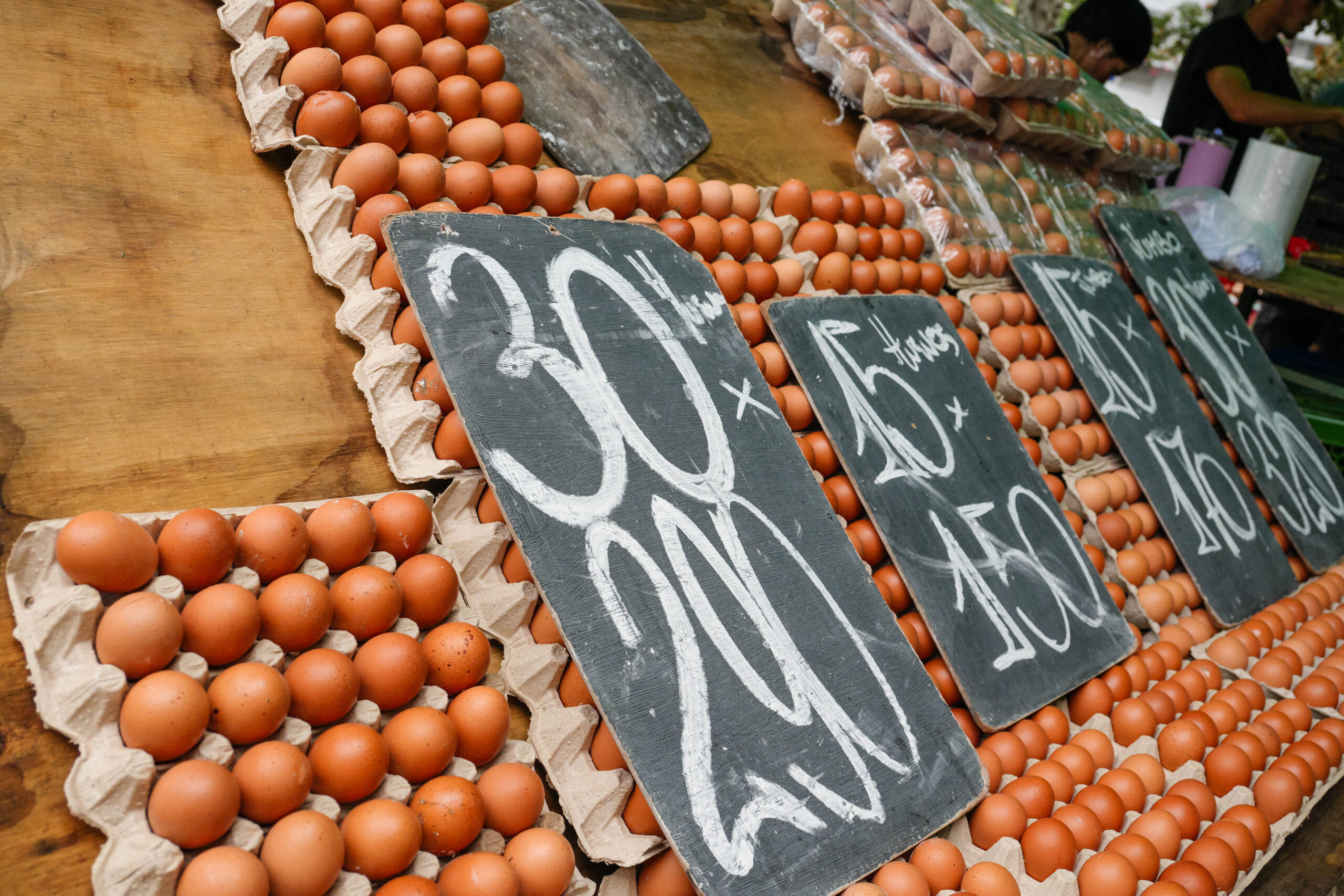
Our time in Carmelo also overlapped with two broader world events: Easter and the Artemis 2 launch. For Easter, we assured the kids the Easter Bunny would find us in Uruguay, but finding eggs to dye was more difficult. We could only find brown eggs and discount washable markers, so our colors were a little more muted this year. For the Artemis 2 launch, Madeline put on her old flight operations hat and enthralled the kids with details of the astronaut’s daily lives on the spacecraft. The kids (and parents) got a lot of educational screen time and enjoyed dipping our toes back into the aerospace community we had left behind nearly a year ago.
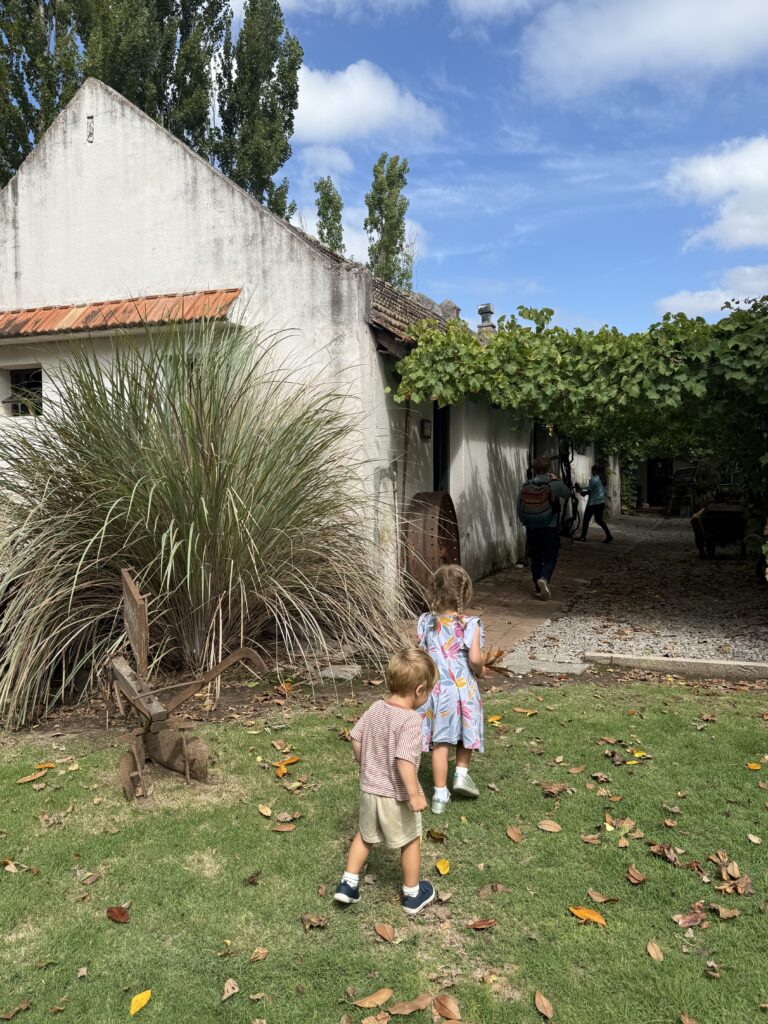
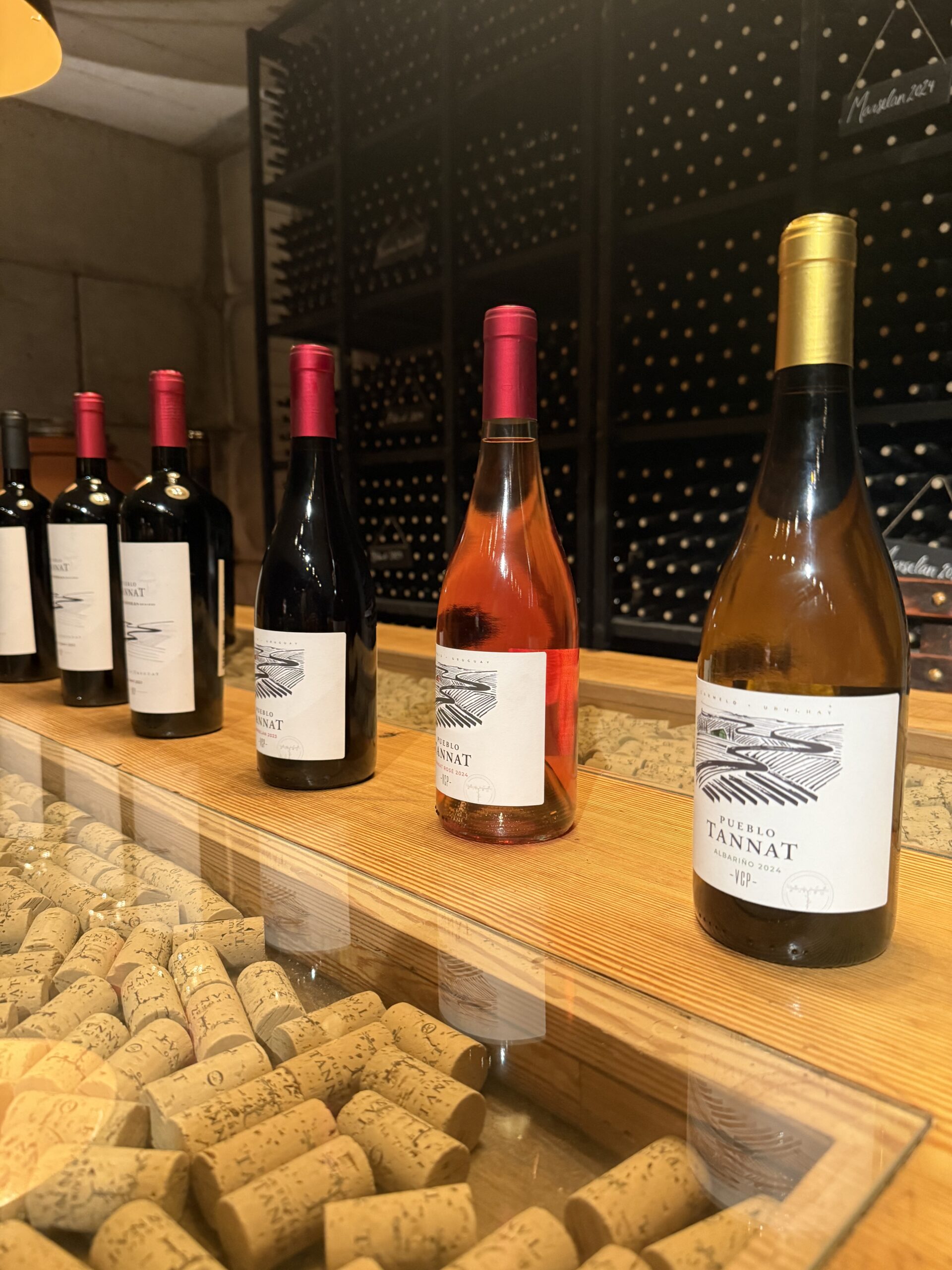
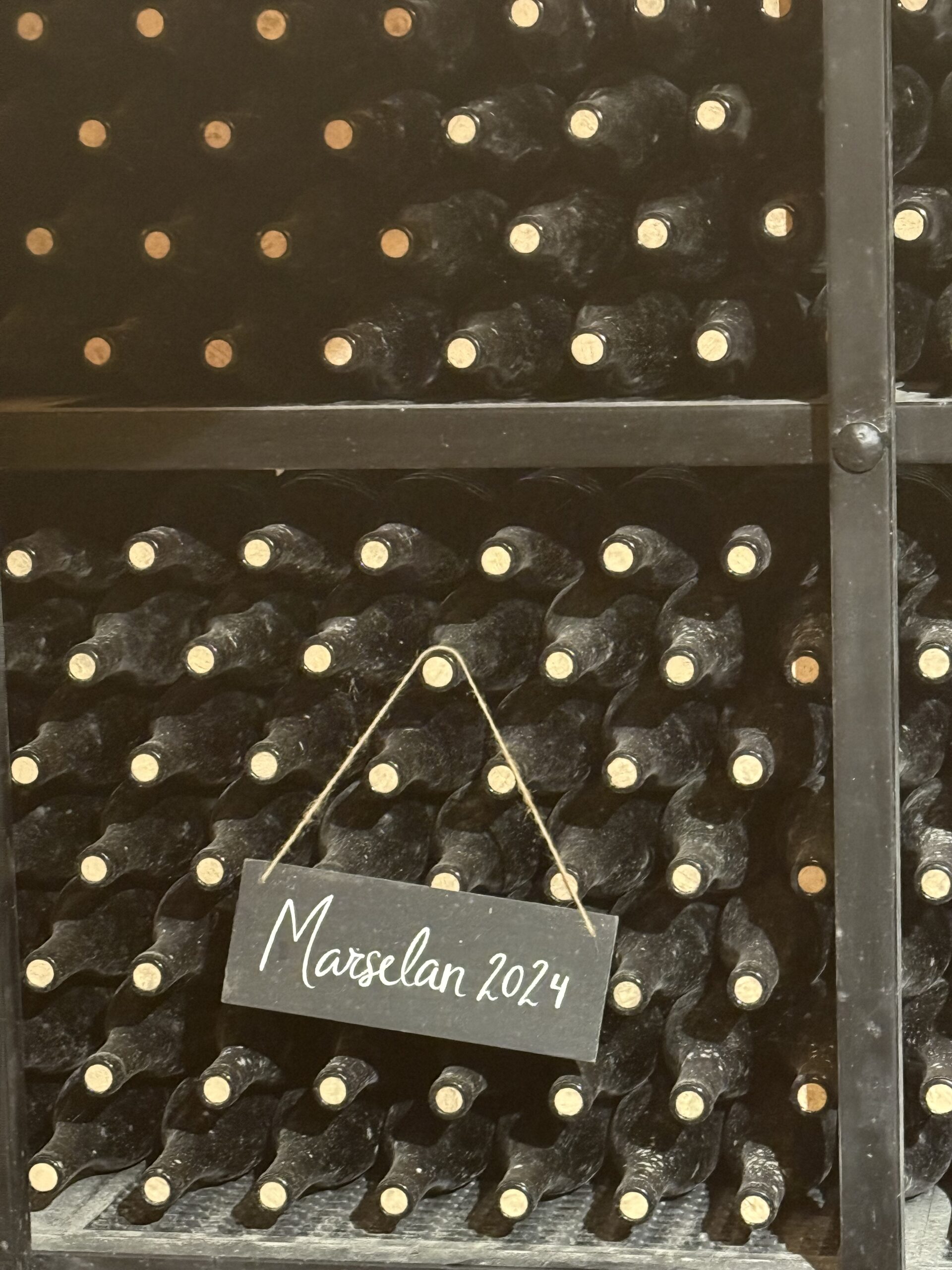
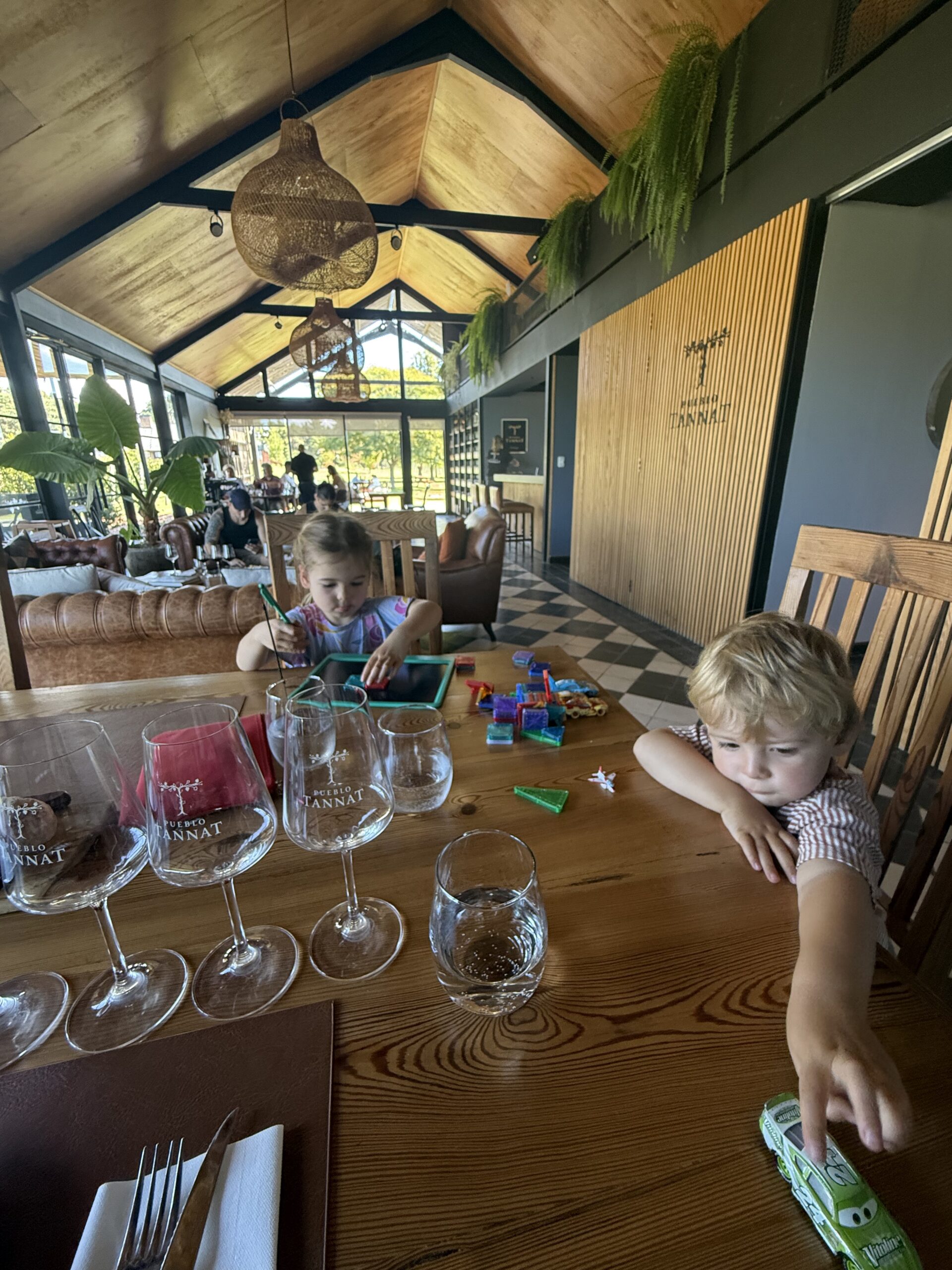
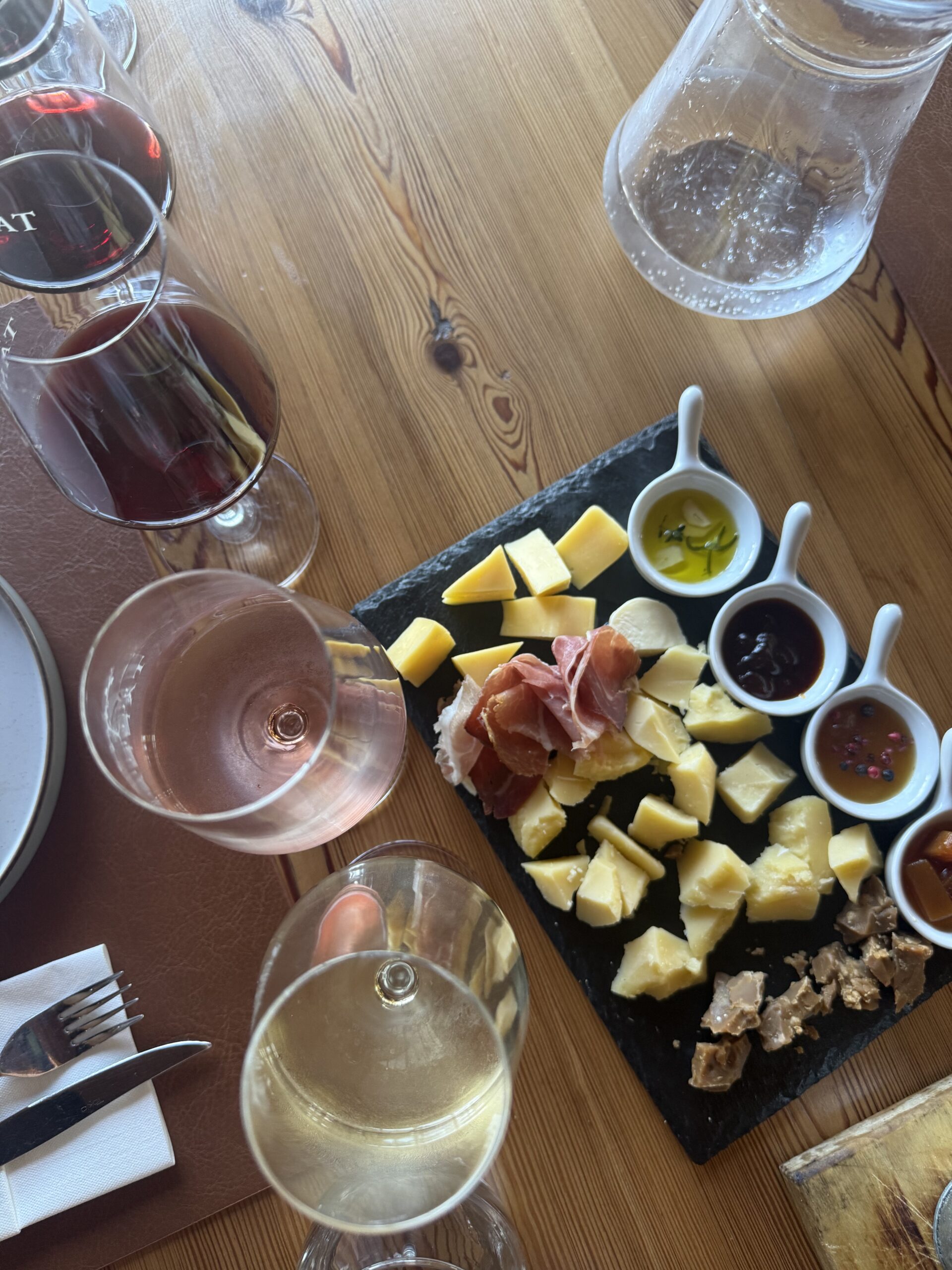
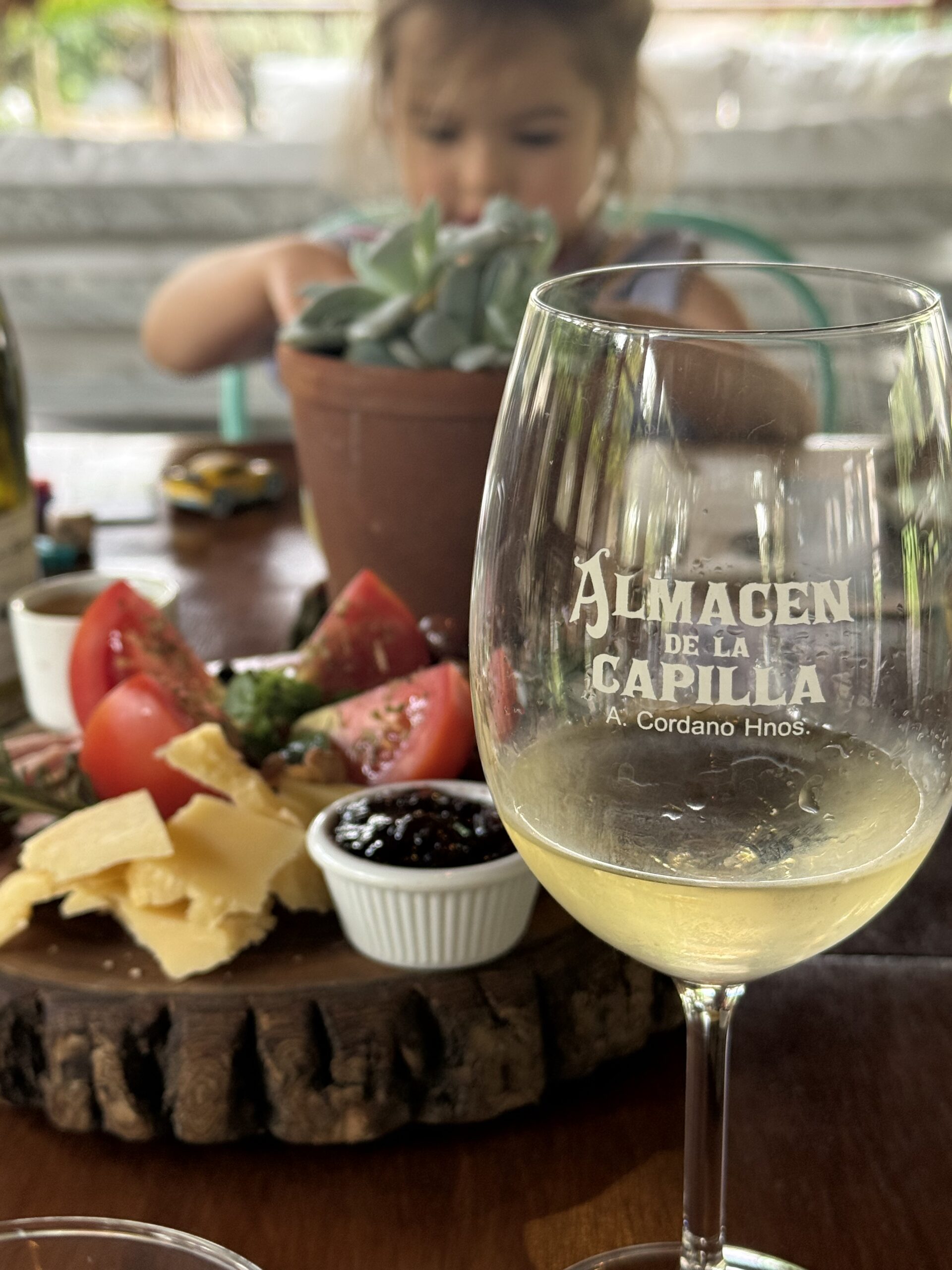
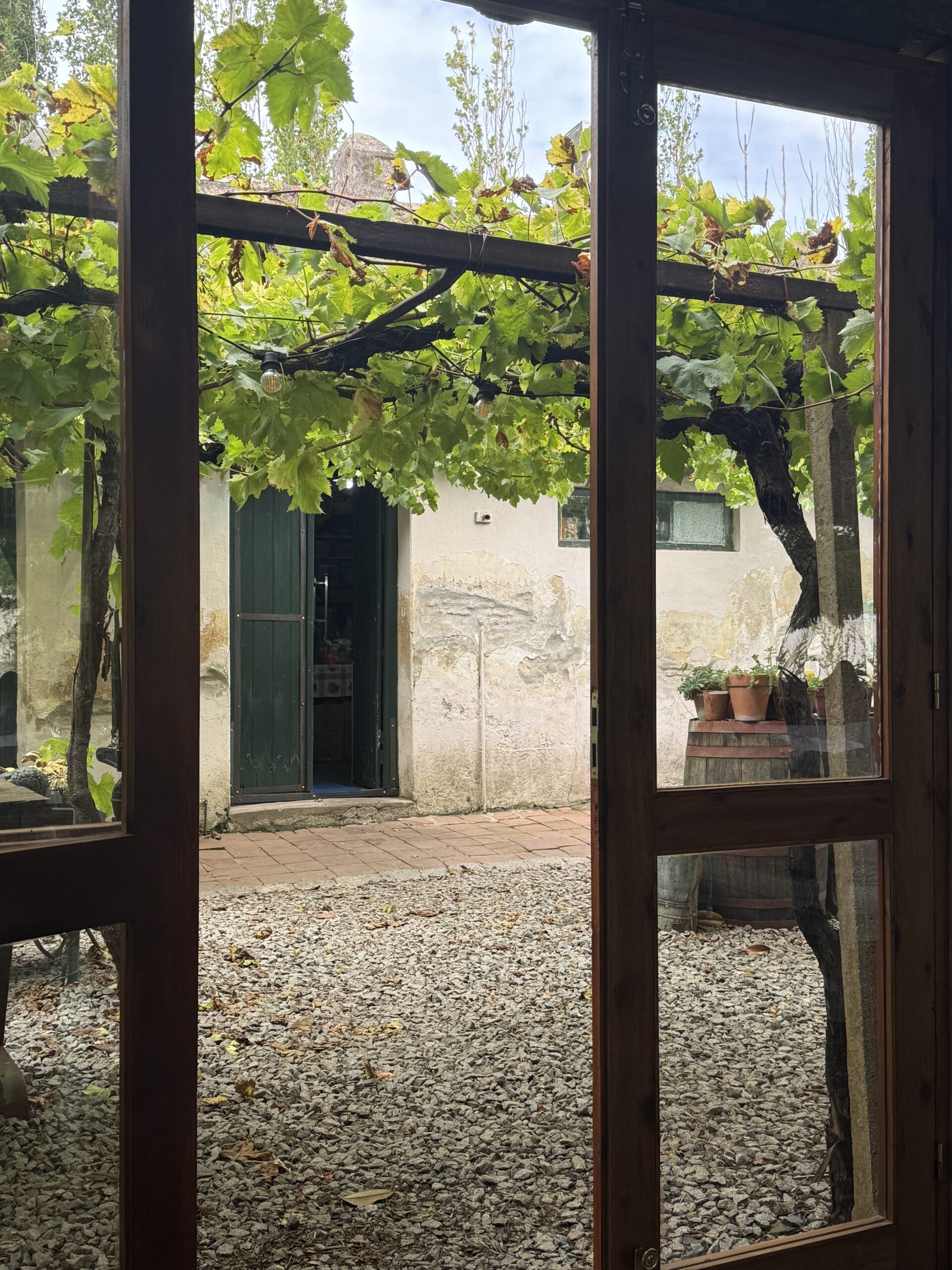
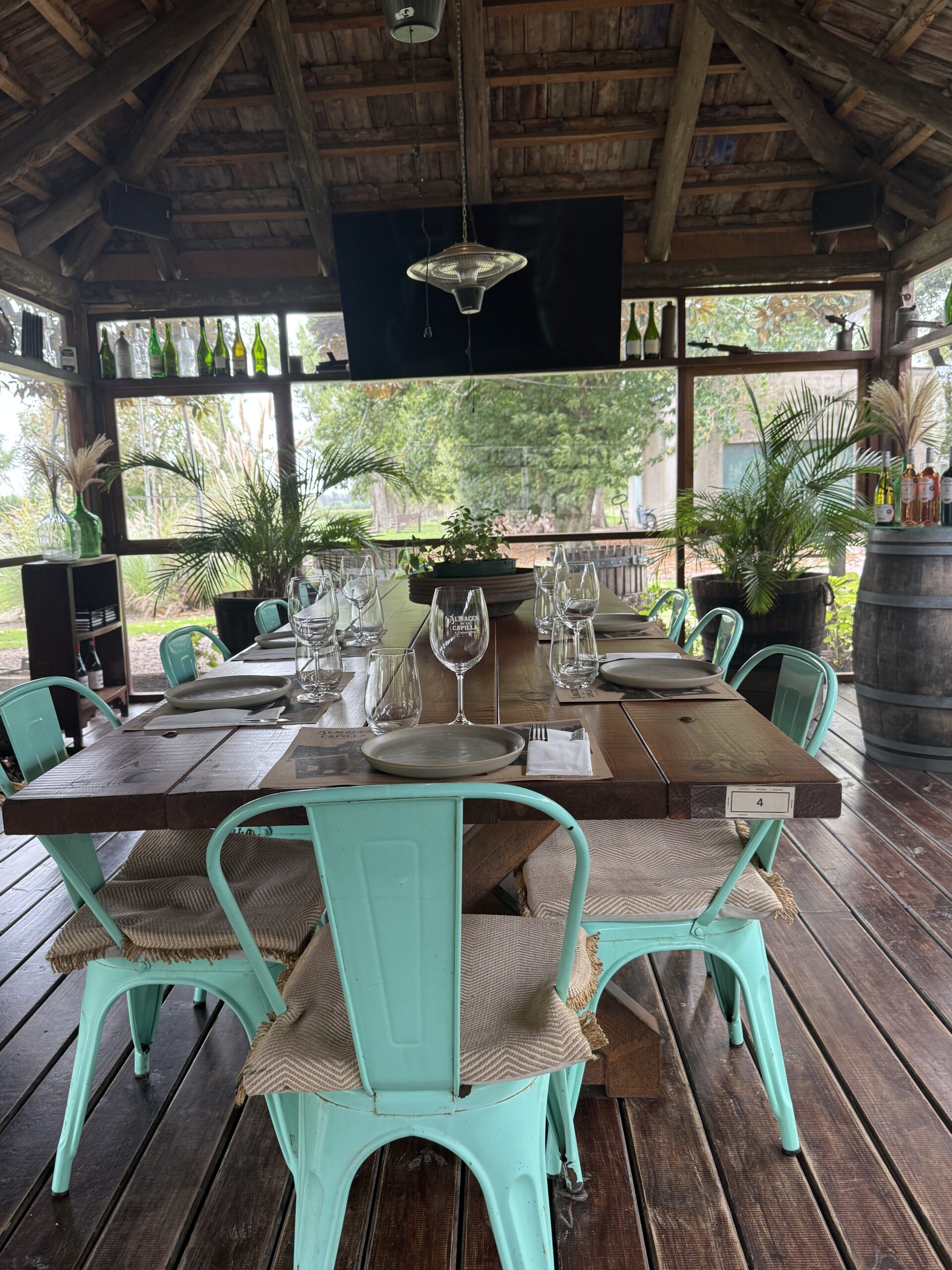
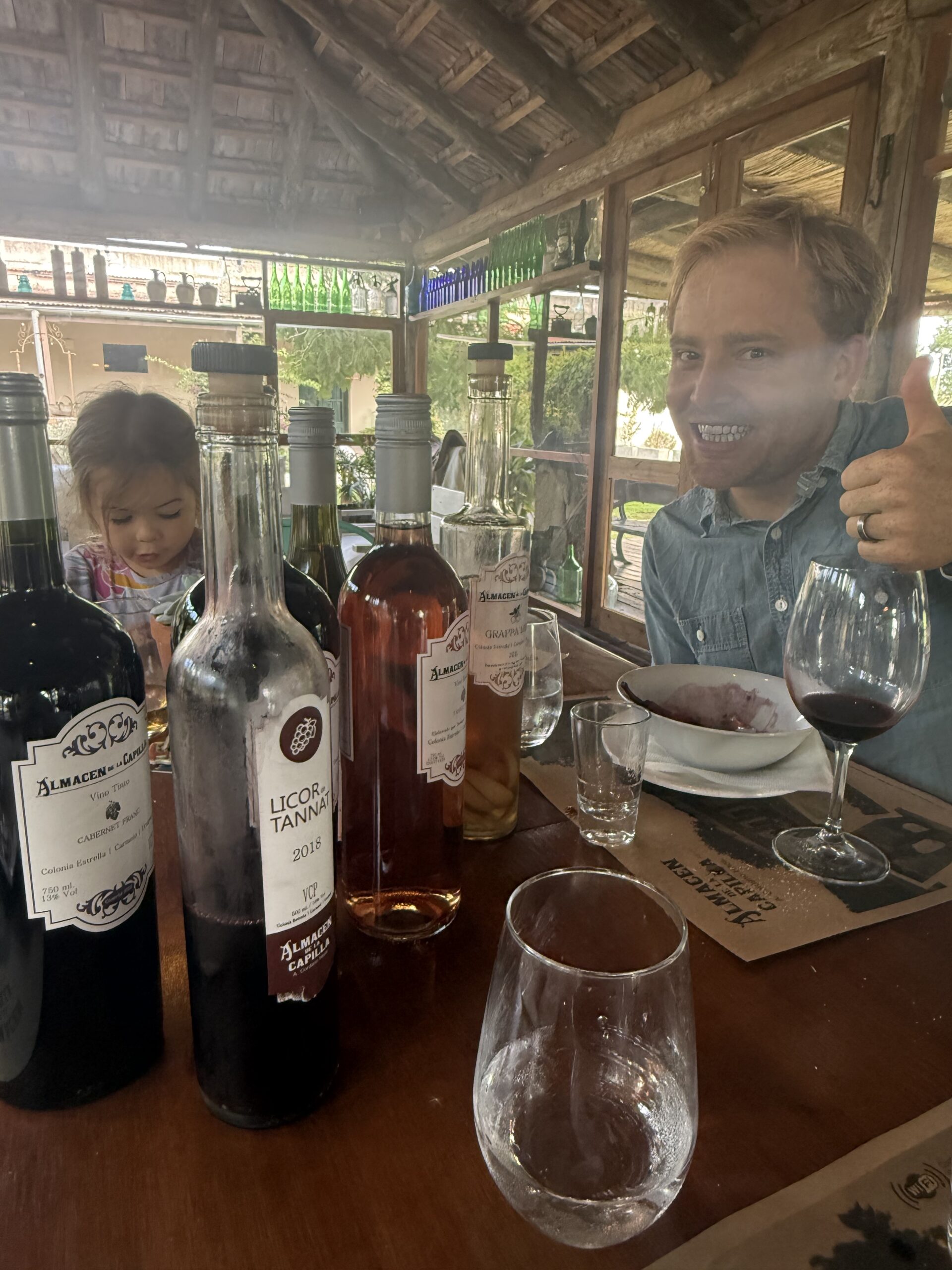
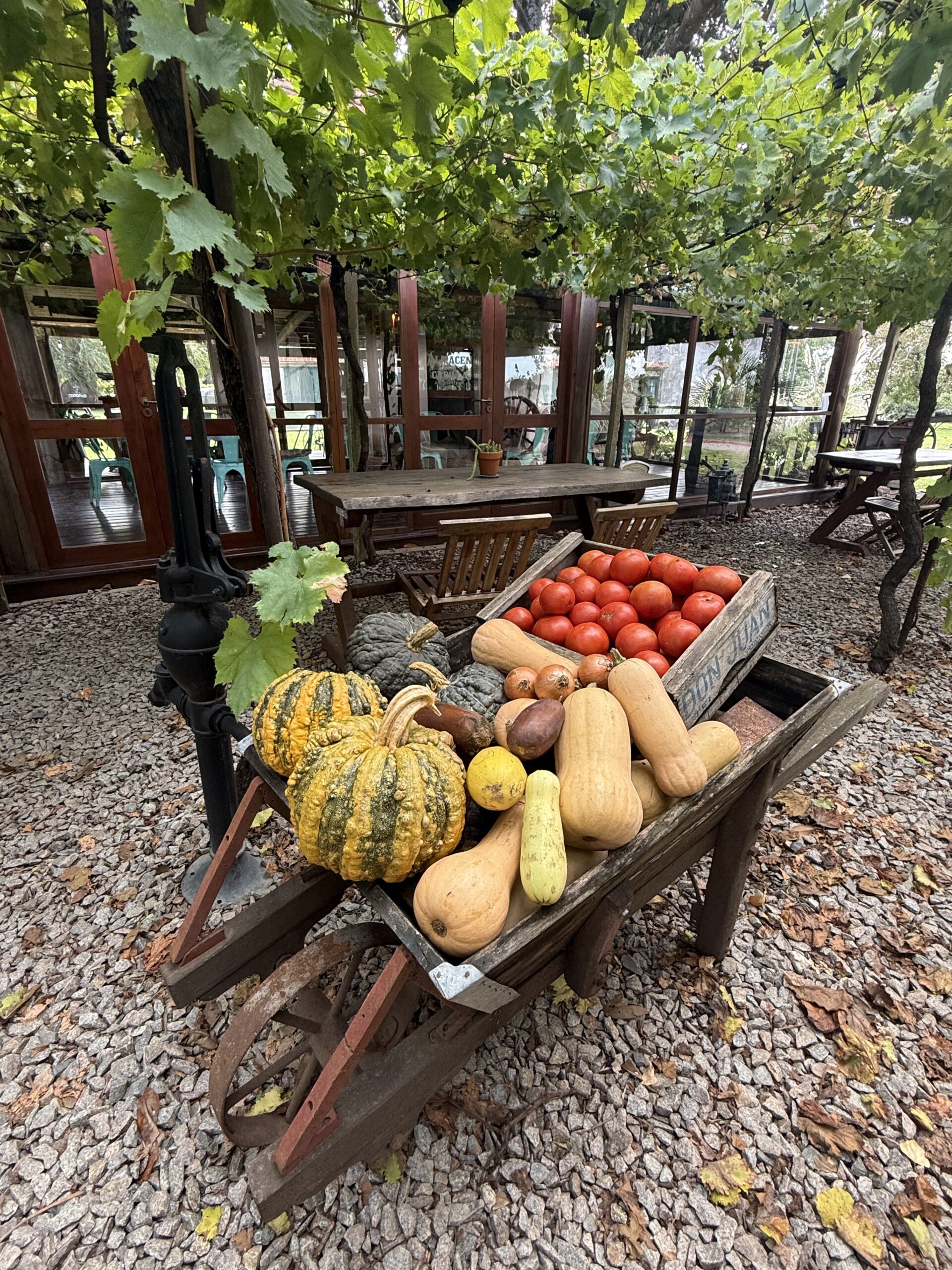
For wine, we were surrounded on all sides by family run vineyards. These places required advanced booking through WhatsApp and their replies of just “ok” when you asked to reserve made you wonder what you would actually show up to the next day. Our fears, however, were unfounded and we had phenomenal wine and even better food at both Restorán Pueblo Tannat and Almacén de la Capilla-Bodega Cordano. Almacén in particular blew us away with the food and setting. I still dream of their wine poached pear desert.
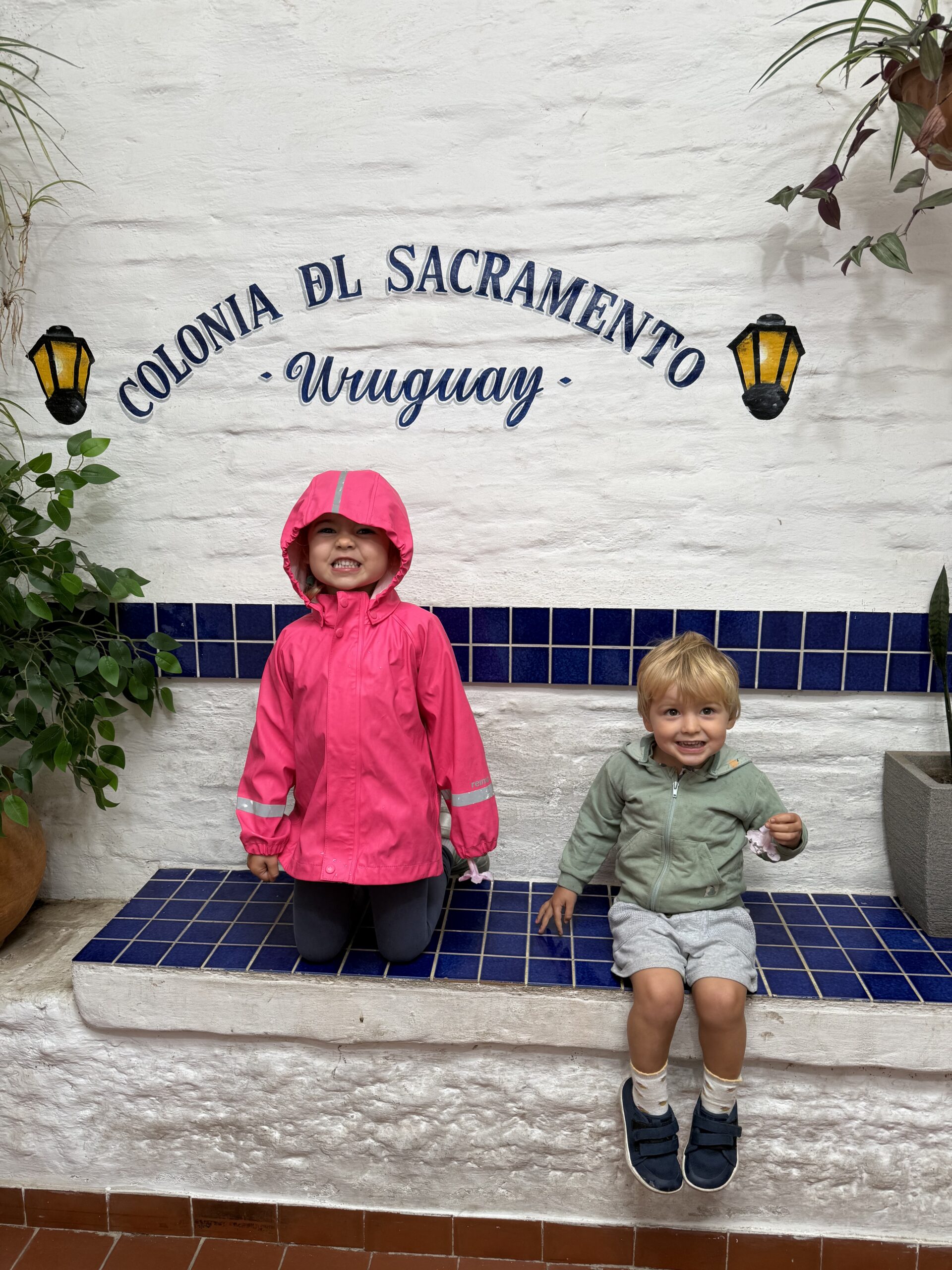
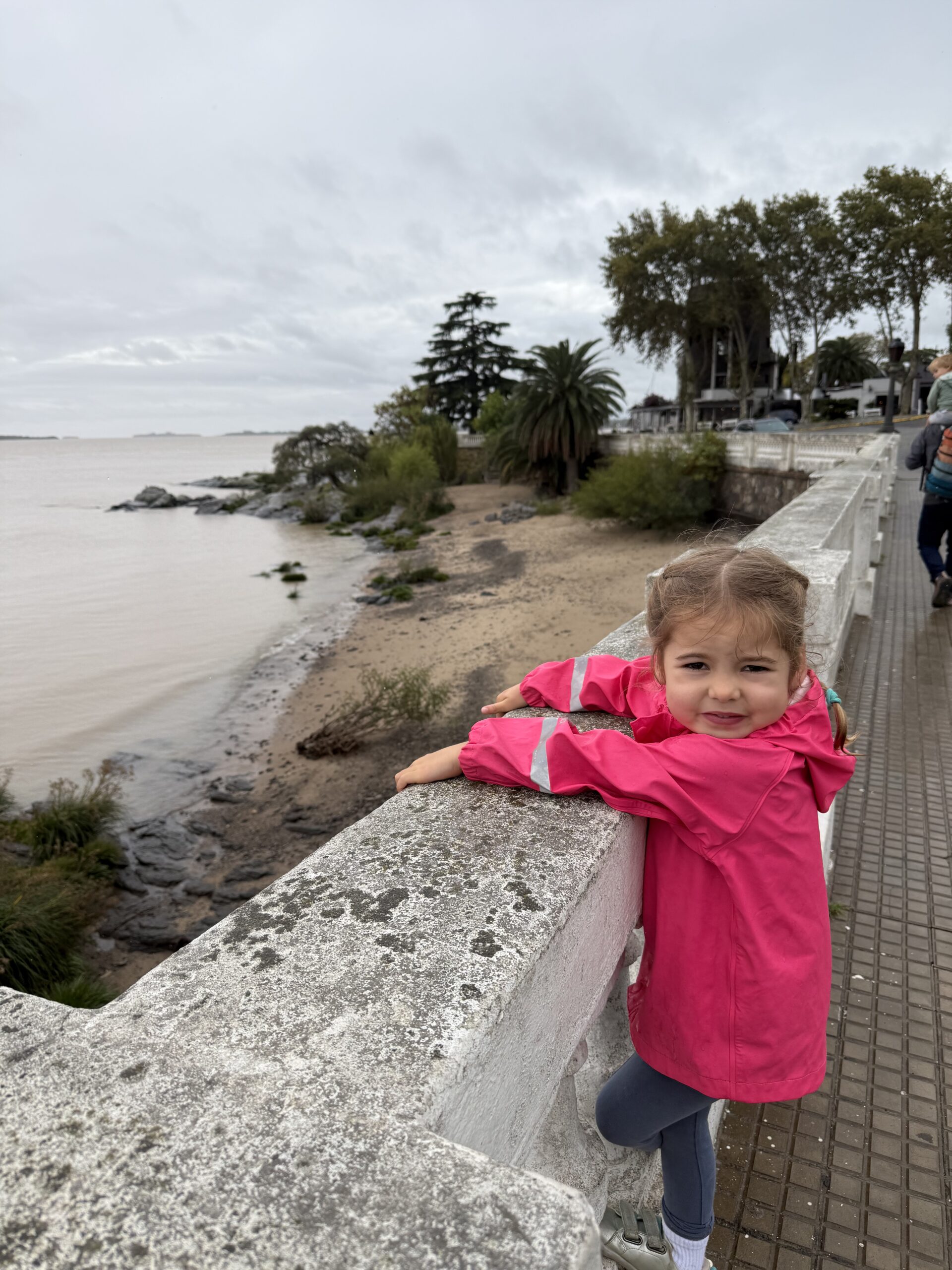
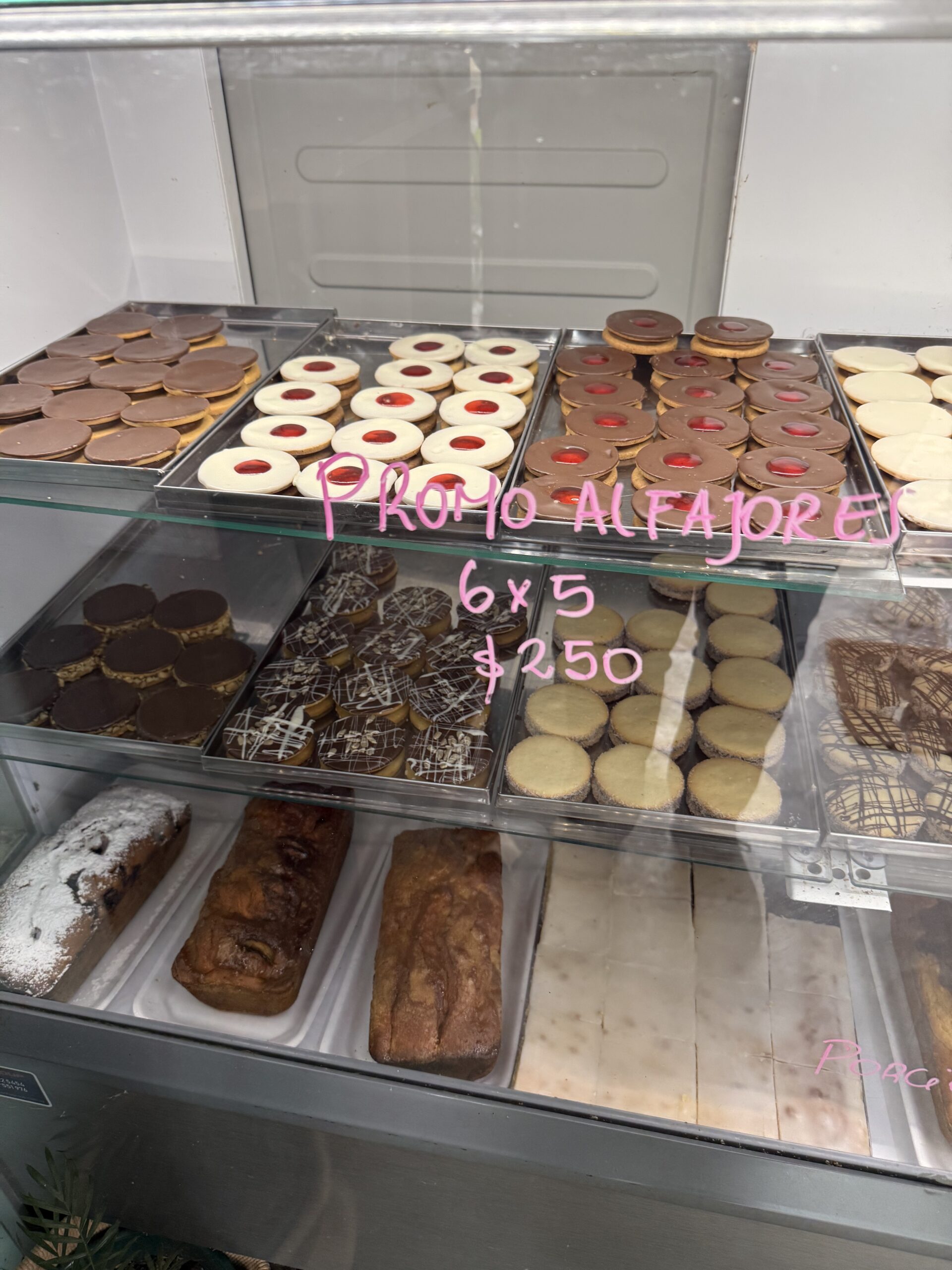
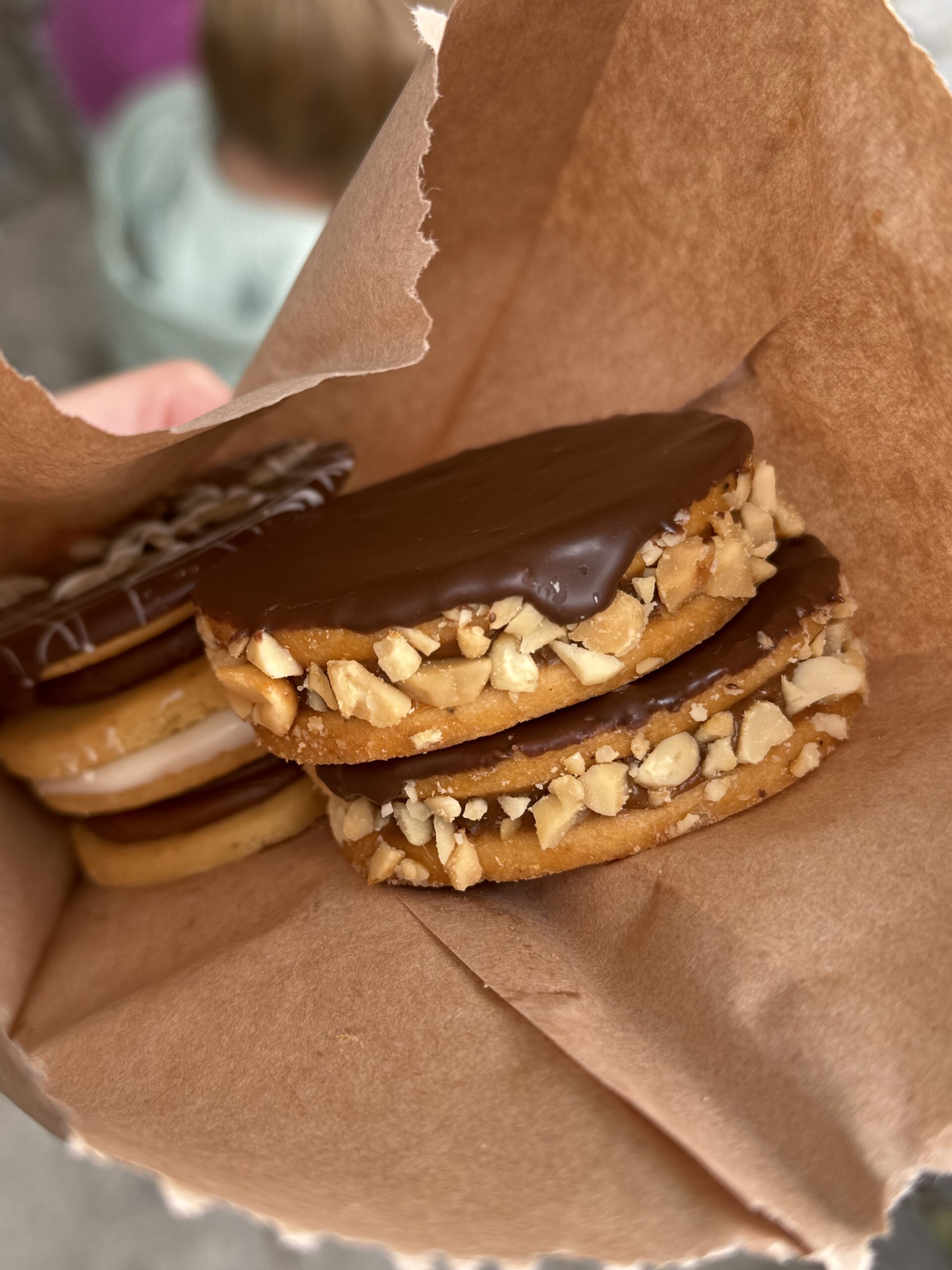
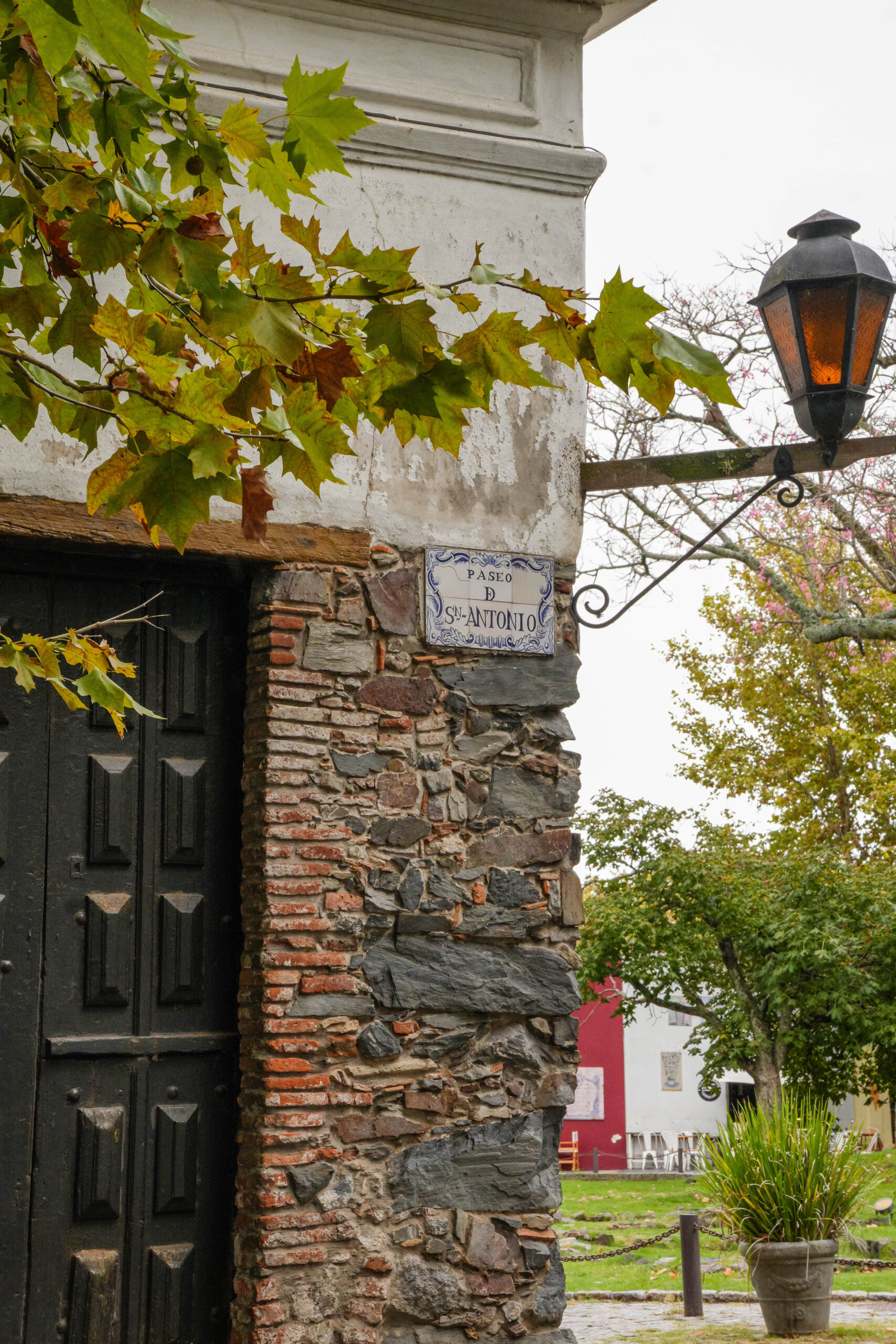
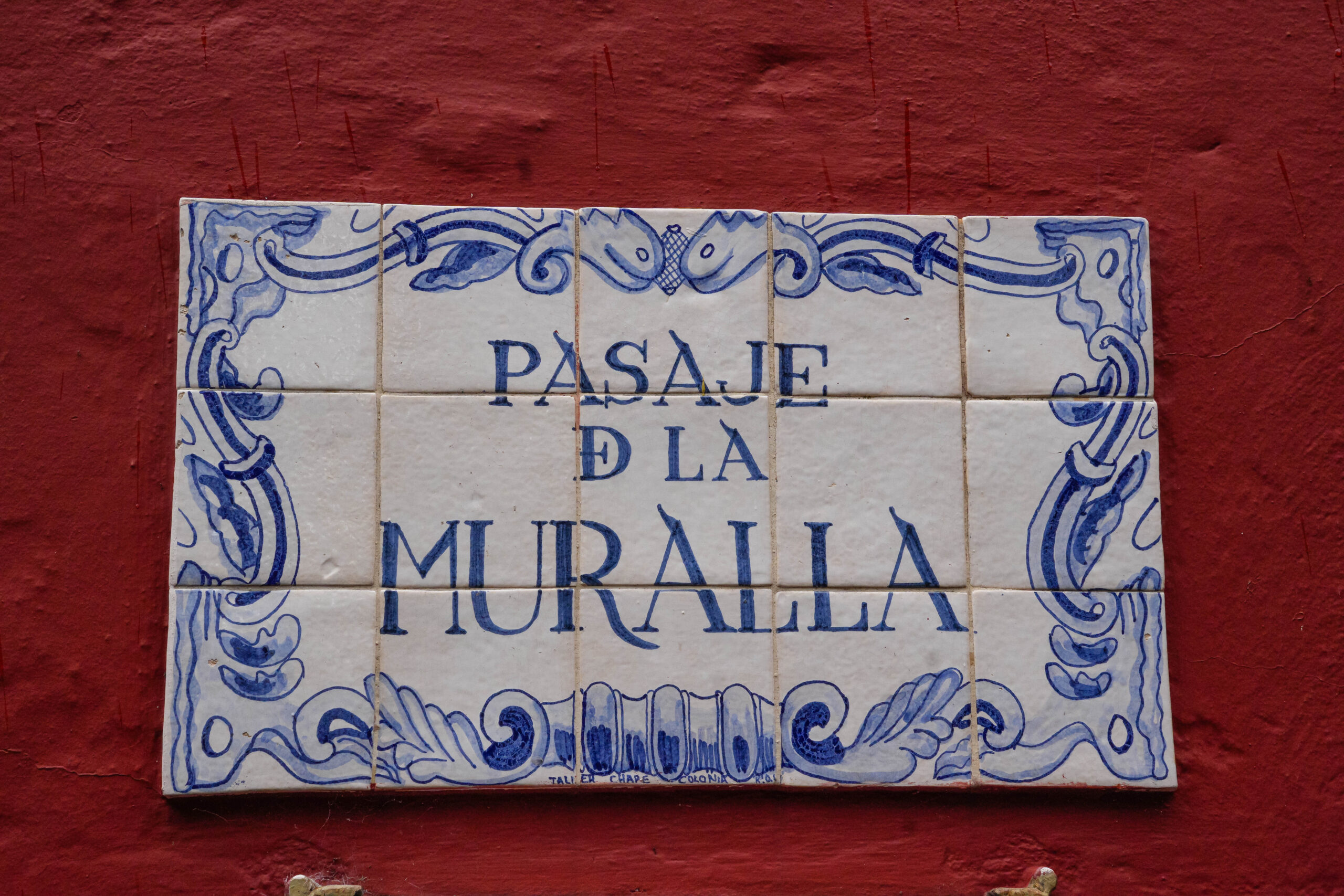
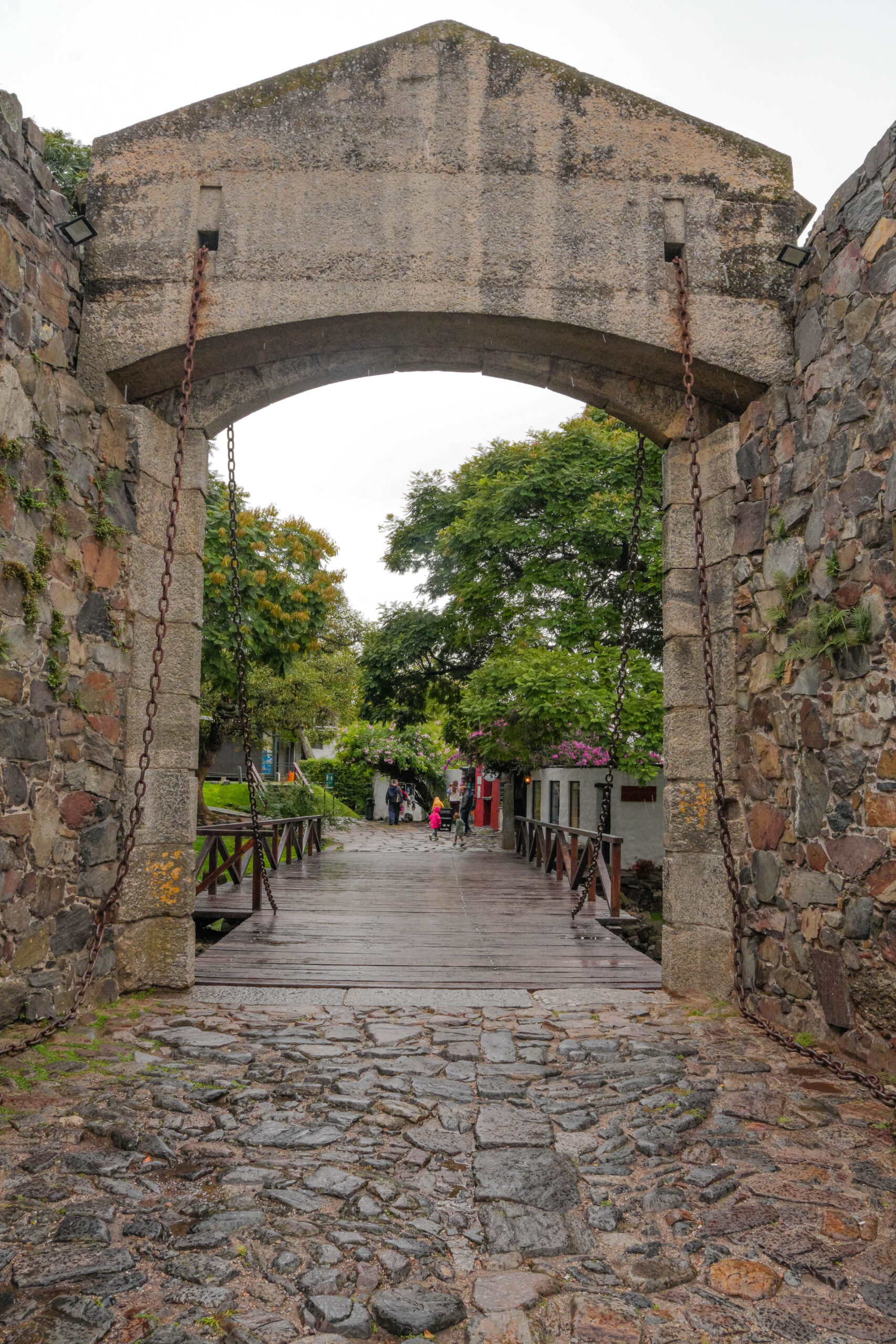
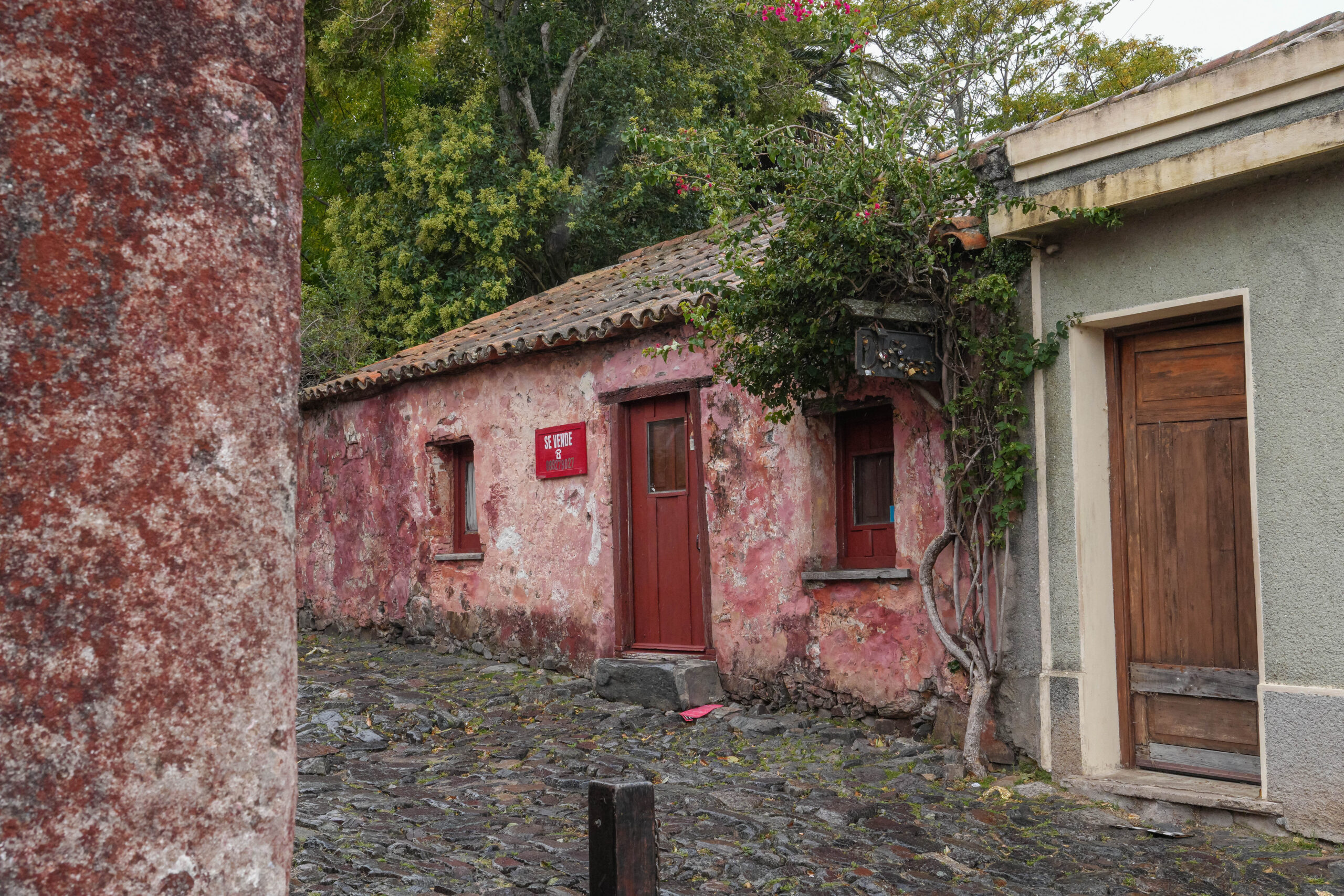
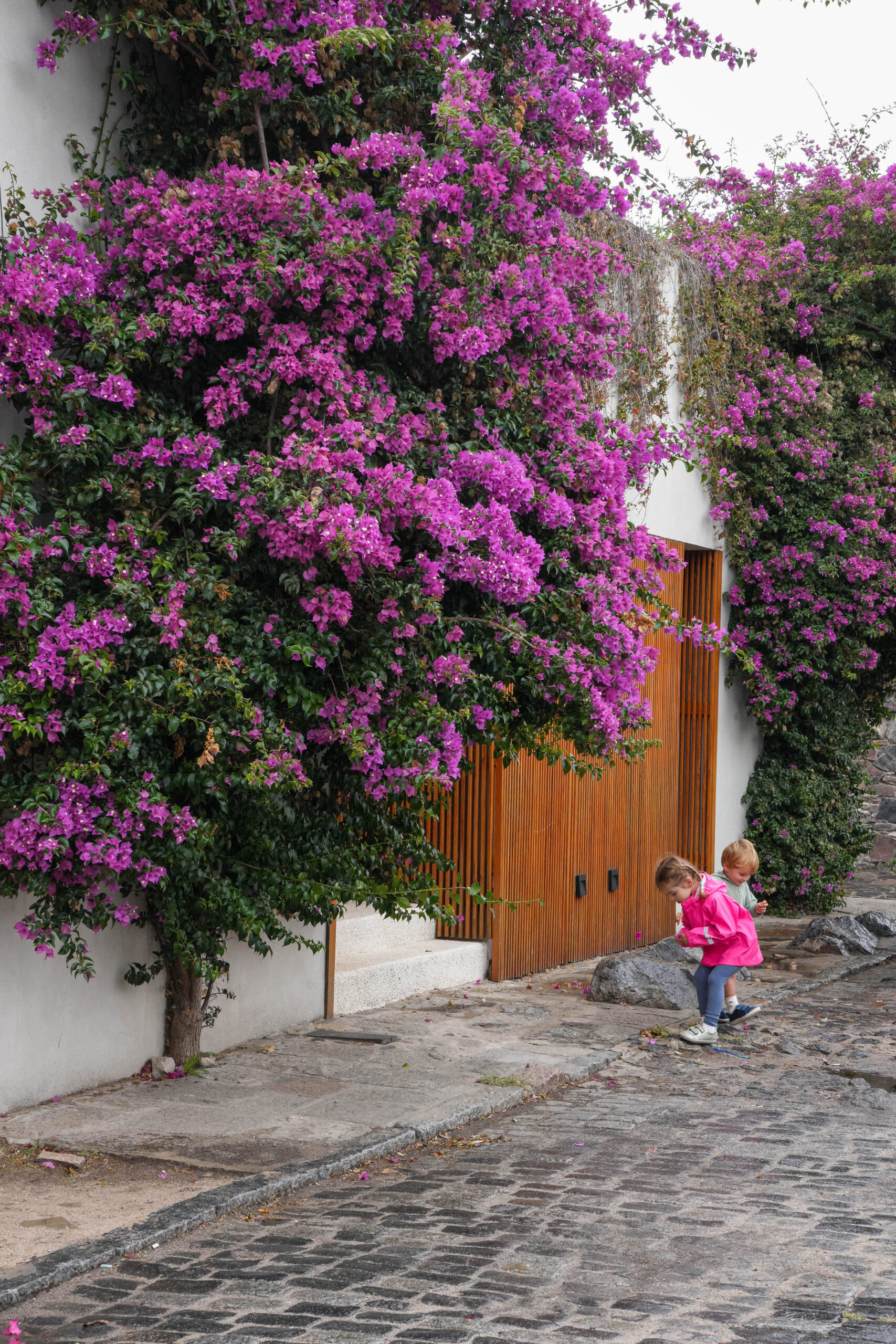
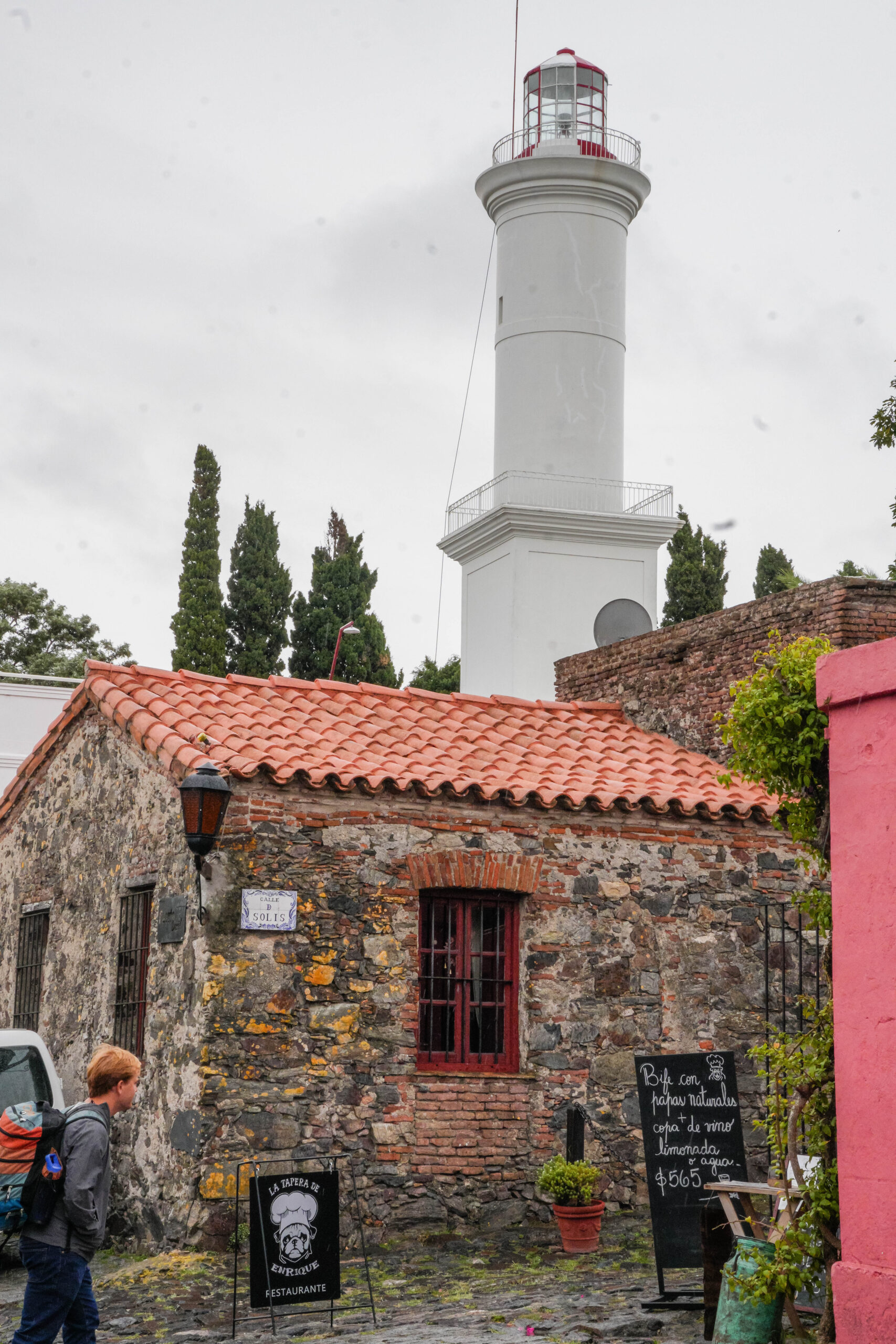
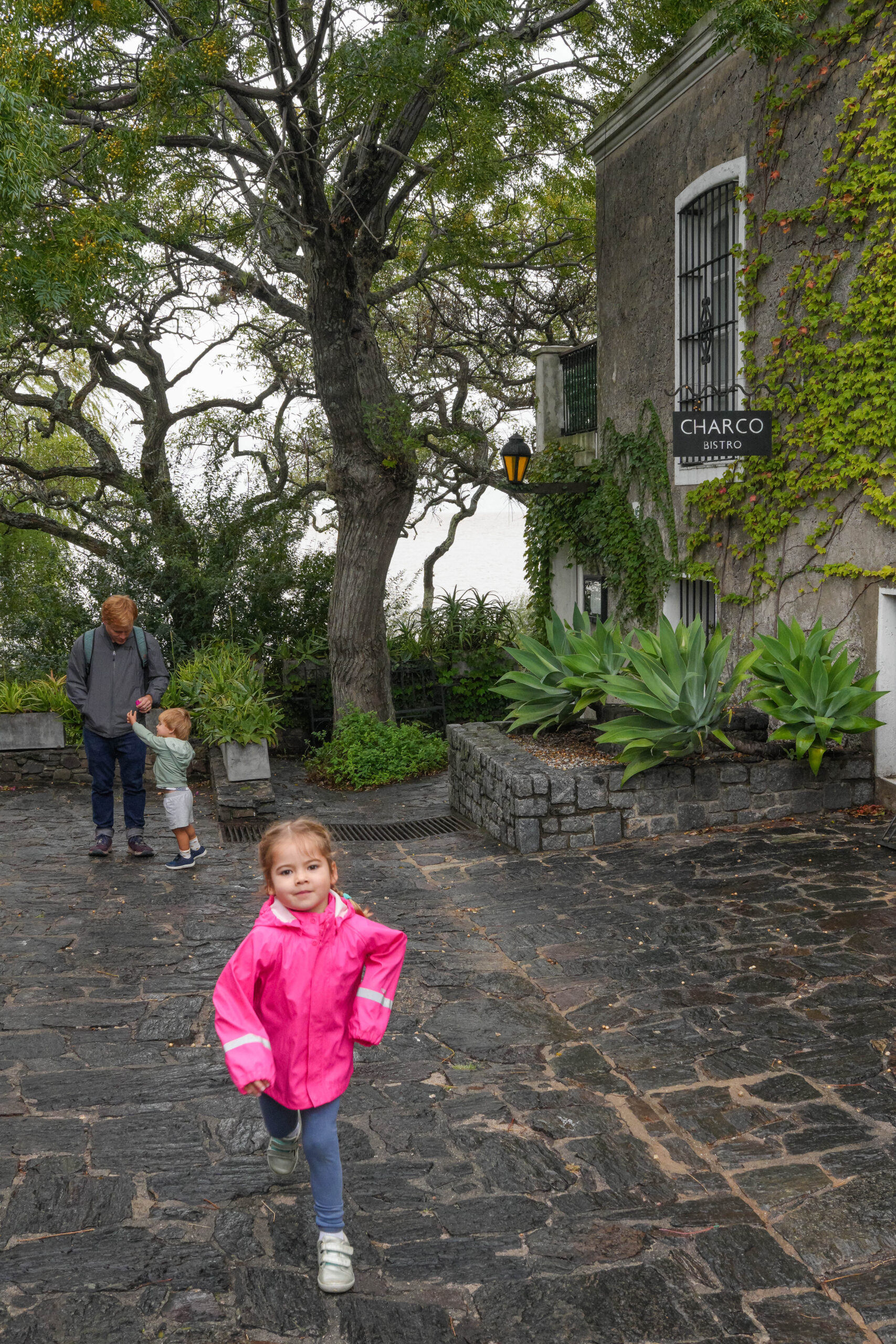
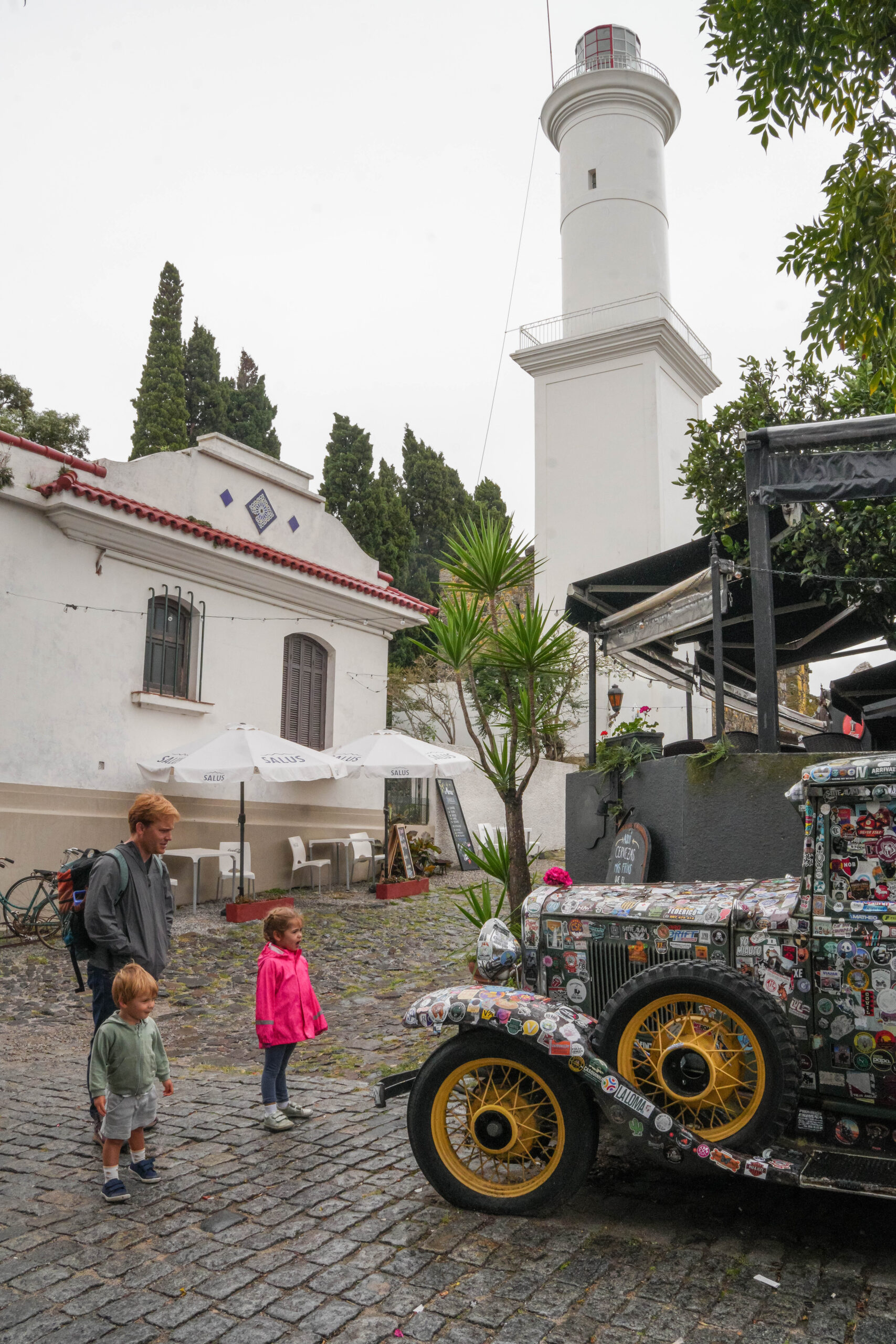
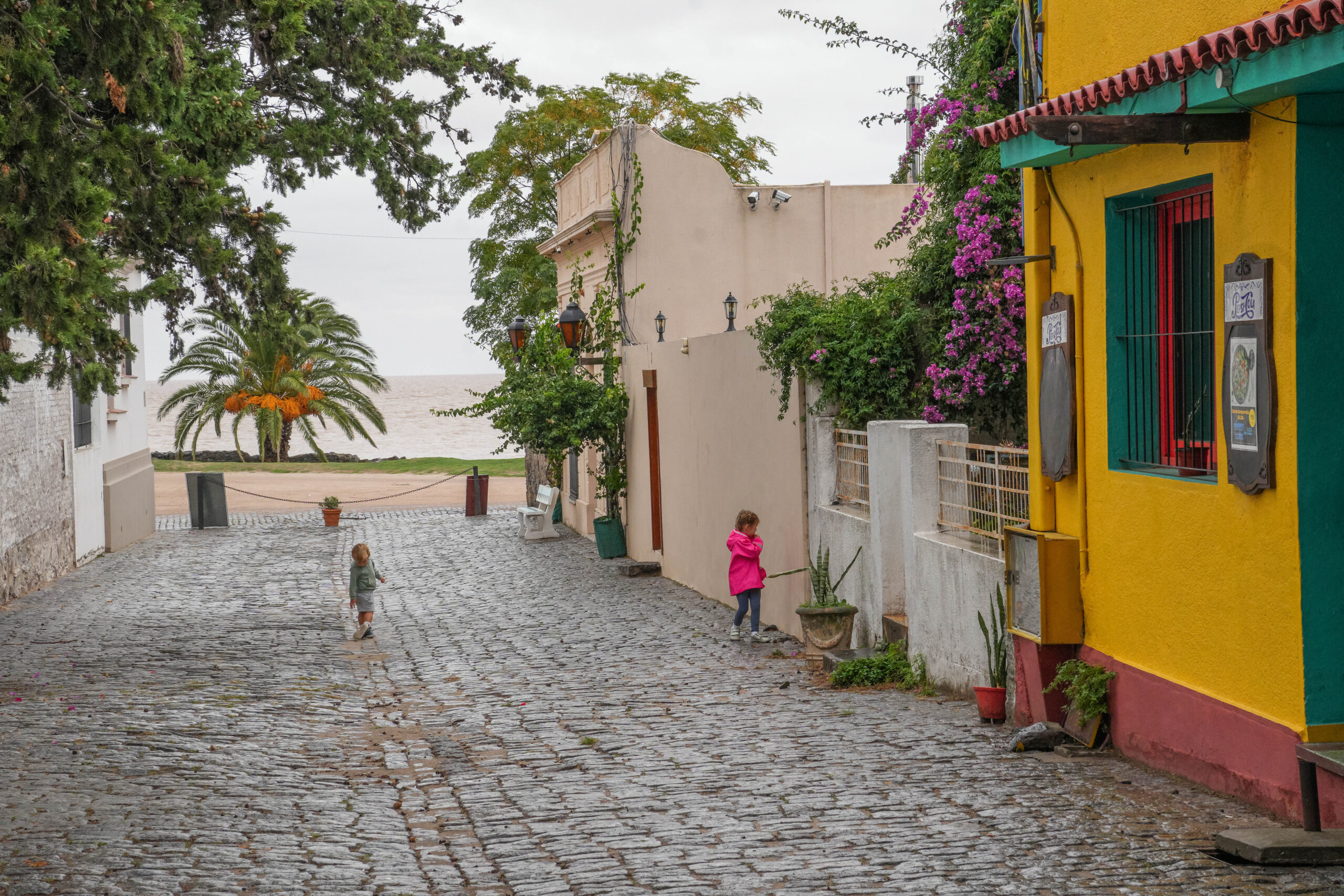
It was time to say goodbye to Uruguay and travel on to Buenos Aires. Conveniently, Argentina is a short, one hour ferry ride away from the town of Colonia del Sacramento which also happens to be a World Heritage Site, specifically for its Portuguese historic quarter from the 17th century, AKA cute cobblestone walking streets and old buildings. We made a day of it, walking the old district and stopping for alfajores (a broad term for cookie sandwich, most of the time filled with dulce de leche) before boarding our evening ferry for the onward journey. It was definitely worth a visit, despite the cursing associated with trying to push a stroller over cobblestones while avoiding dog poop.
Tips & Lessons Learned
This is where we put all of the things we learned along the way about traveling in the region as well as traveling with toddlers.
- Uruguay Culture– We had read that Uruguay is progressive both in terms of policies and technology and found it to be very true. In fact, many of their equal rights and socially progressive policies were in place decades before many European and North American countries. Also, 99% of Uruguay’s energy is renewable. They sell their extra energy to neighboring countries. The people were warm, laid back, and humble. There was solid infrastructure everywhere and we found it easy to get around. We stuck largely to the coastline, finding relatively little written about destinations in the interior. We felt that we had plenty to see along our chosen route for three weeks.
- Walking Tours with Kids – We’ve had mixed results on walking tours with the kids. Sometimes you get a guide who is engaging and makes them laugh, but most of the time it’s someone who has a set script that they stick to. In general these have felt to us like one person gets to go on the tour while the other basically keeps the kids quiet and distracted for two hours in a foreign environment. Oh, definitely bring snacks.
- Grocery Stores – If you need to stock up before heading to the coast, Montevideo is the cheapest and most convenient (Alec told me this but I was tired and made us wait for groceries and then regretted it). Both Carmelo and La Paloma had only small grocery stores where we had to get a bit creative with what we were cooking compared to our staples. Don’t worry – you can always find a whole aisle of Yerba mate. For variety and most similar to home – Fresh Market has a ton. Otherwise, you’ll have to do some googling to figure out how big the different store locations are, as brand can vary dramatically. For freshest produce, find a produce stand. For best meat, go to a carneceria.
- Driving & Tolls – Outside of downtown Montevideo during rush hour, driving was very easy in Uruguay. Look for blue “E” signs for parking (instead of P). The highways have tolls and our rental car included an electric toll pass for us to drive through. We weren’t sure though as this wasn’t specified ahead so check when renting.
- Which Beach Town?? – The Uruguayan coast has several fantastic beach towns. Of the ones we saw, here’s our assessment.
- Choose Punta del Este if you want to have all the amenities of a city, stay in a high rise apartment, and have lots of eating options.
- Choose La Barria if you want to have access to Punta del Este but be in a smaller community with a mix of high end and local shops.
- Choose Jose Ignacio if you want a bougie experience – it’s a bit sleepy but the houses and whole vibe of restaurants, grocery, etc are upscale.
- Choose La Paloma if you want laid back, more nature focused stay.
- Choose Punta del Diablo if you like the surfer, boho vibe.
Closing
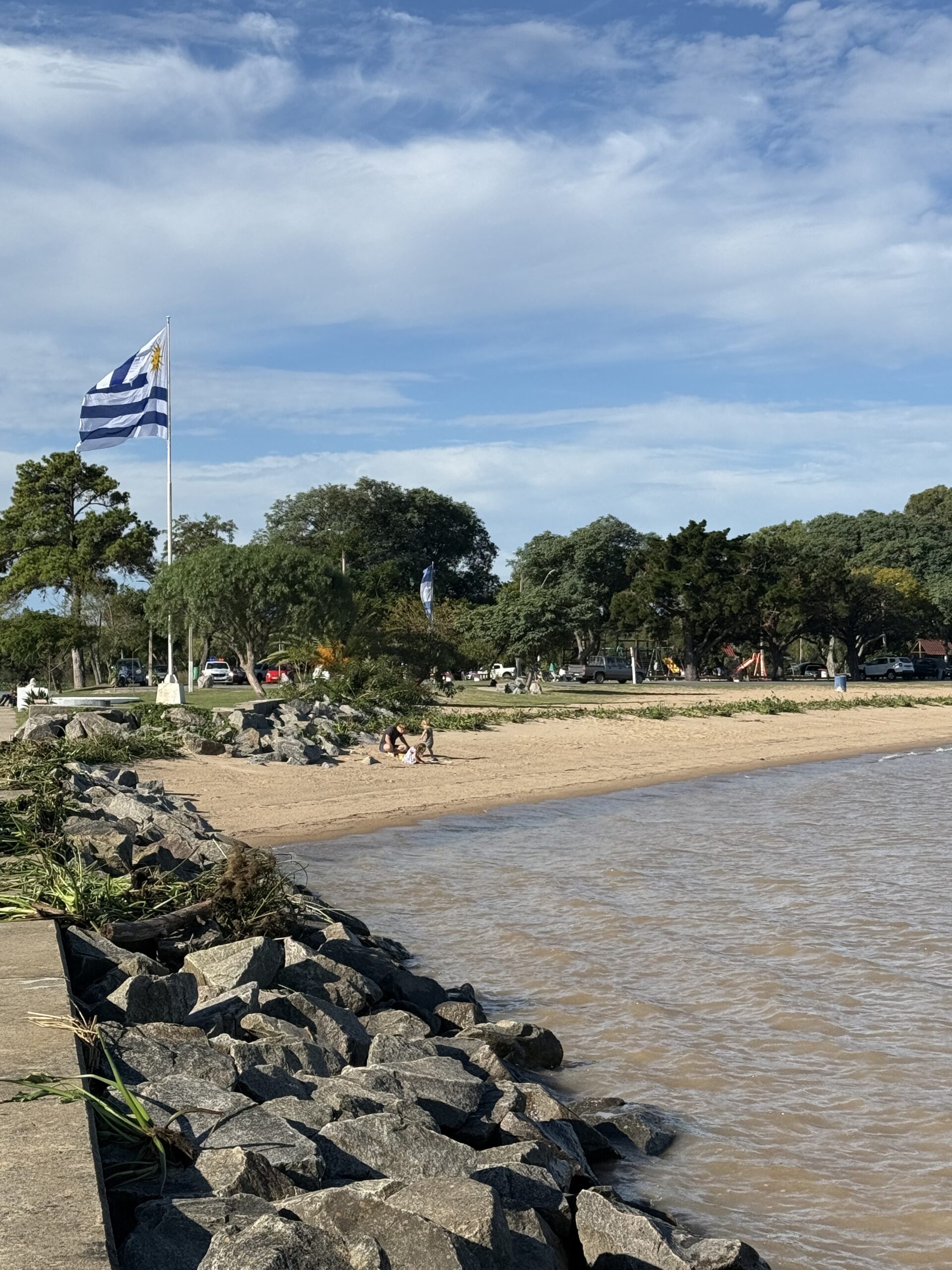
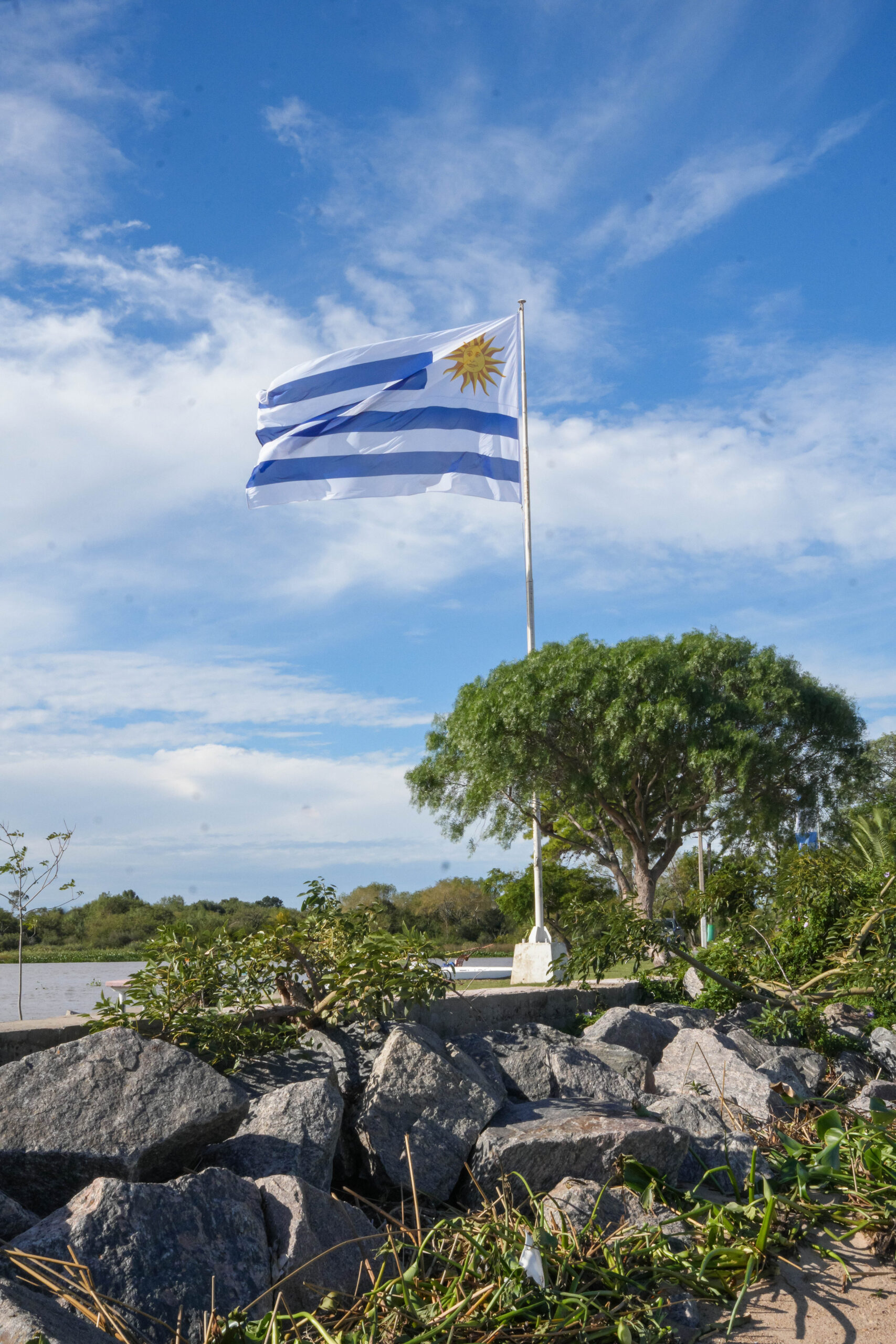
And so we say goodbye to Uruguay. The beaches were warm, the people friendly and the maté in every persons hand 24/7. We return to Argentina to see Buenos Aires and the wine region of Mendoza.


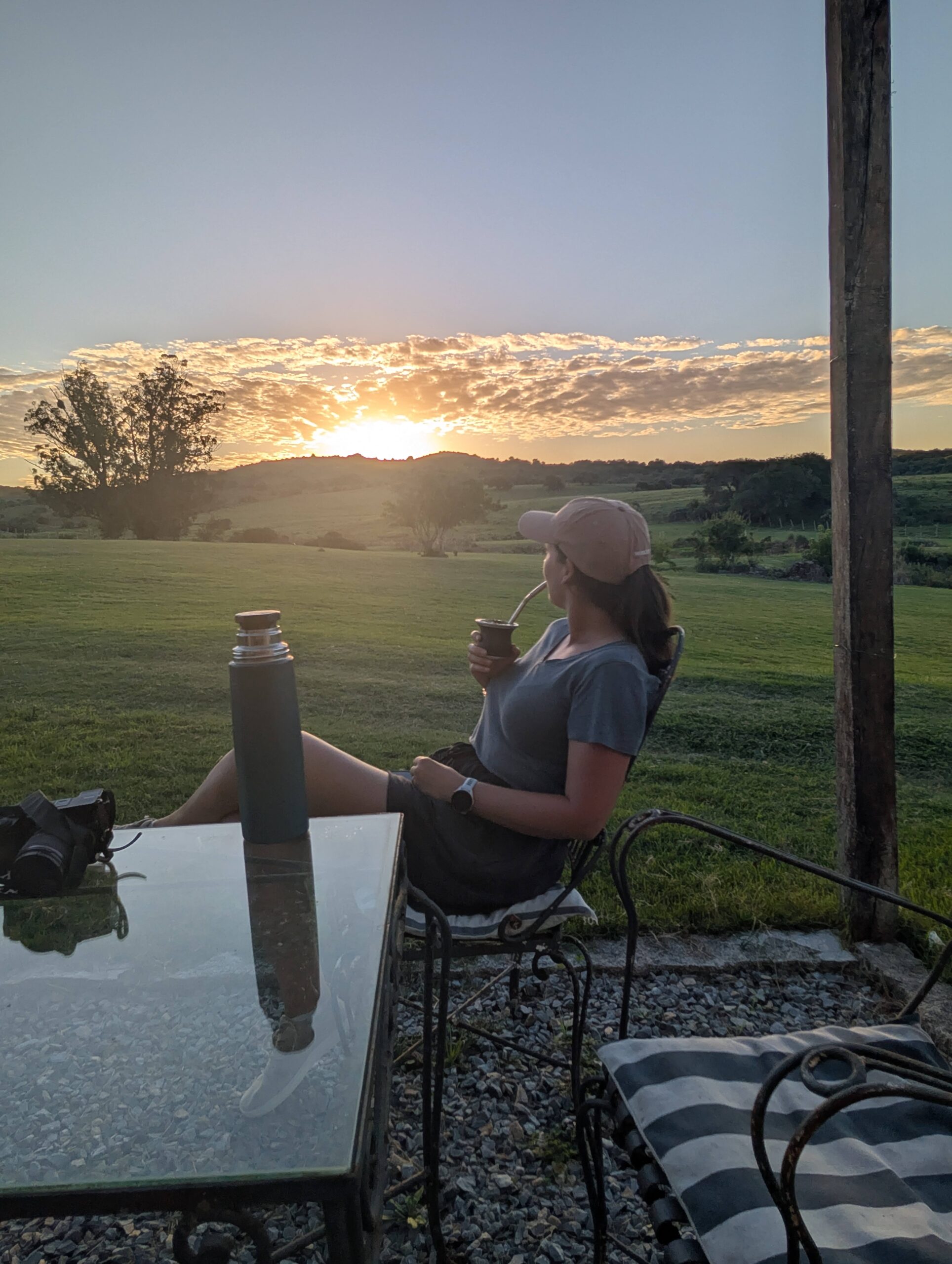
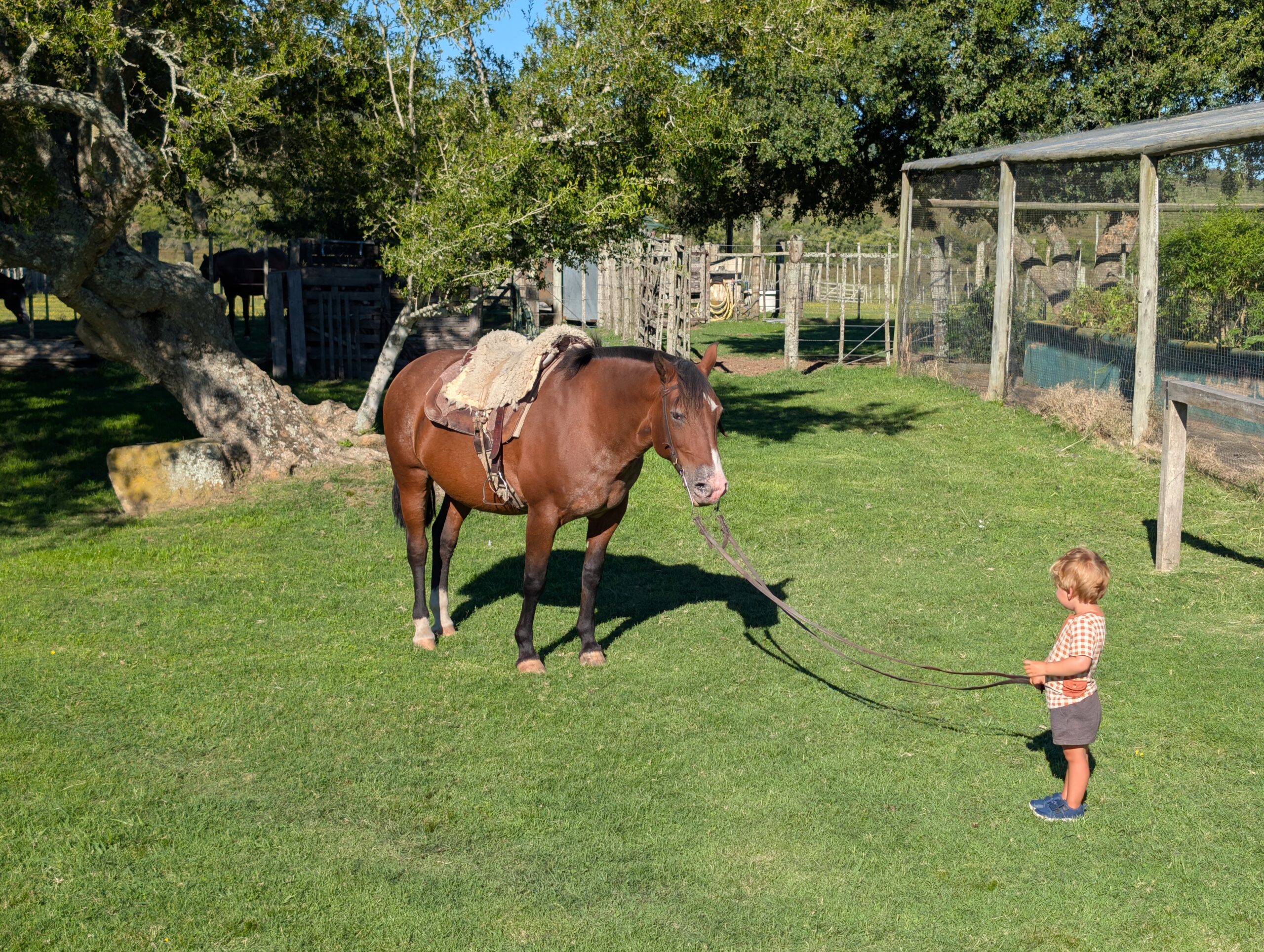
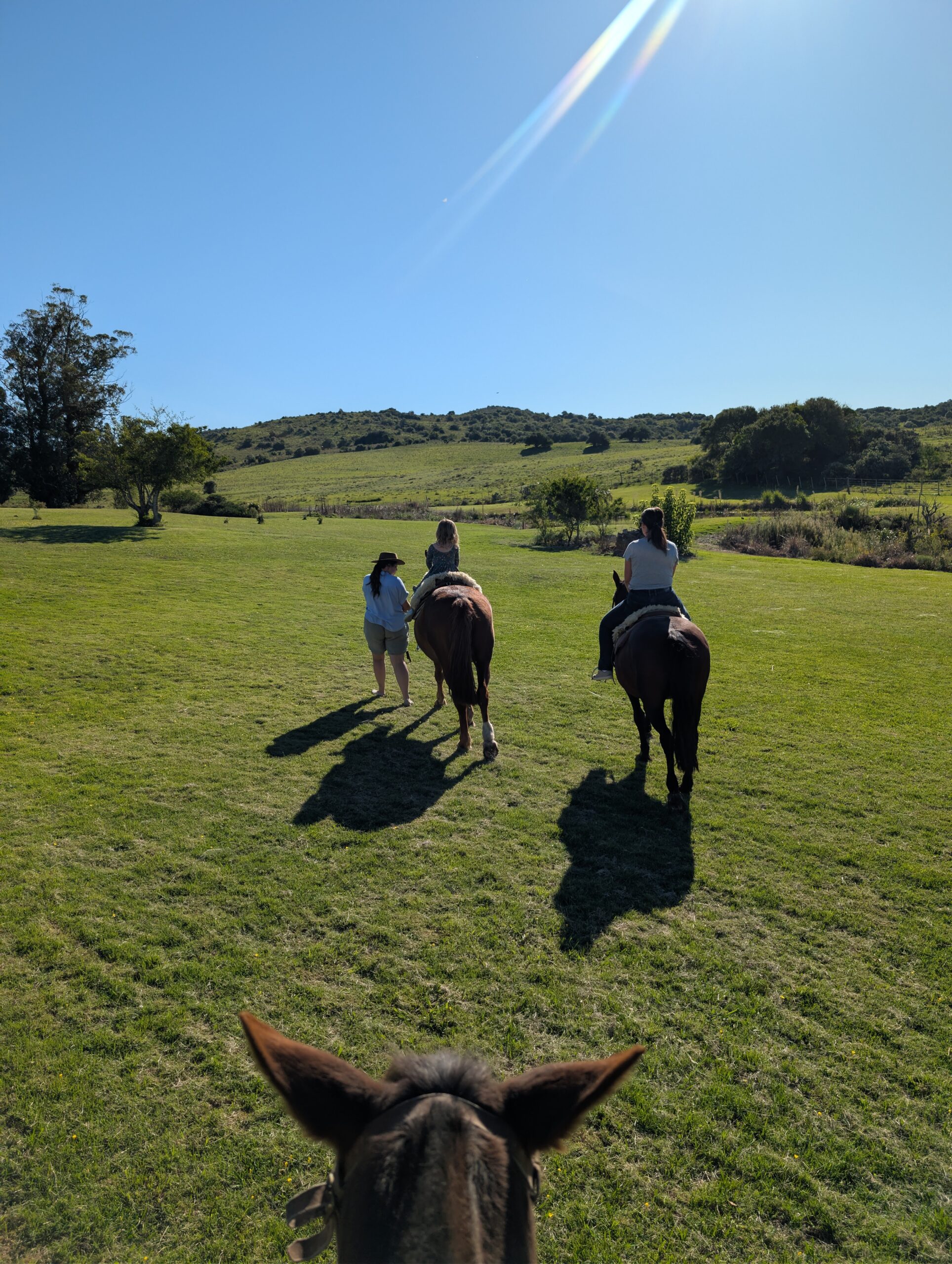

Ay dios mio! Reading thru this made me cry in a good way! I am so so happy you enjoyed it and saw why I love it so much and why it is one of my favorite countries in the world. You guys saw much more than I did as an inexperienced 22 year old, broke college student. Loved seeing Mae on the horse and seeing Maddie sipping that Mate, well that is when the tears fell. You truly got to experience Uruguay. Colonia is also precious right? Make sure and root for the Azul Celeste in the upcoming FIFA world Cup. Les quiero mucho!